 Demian Sahputra
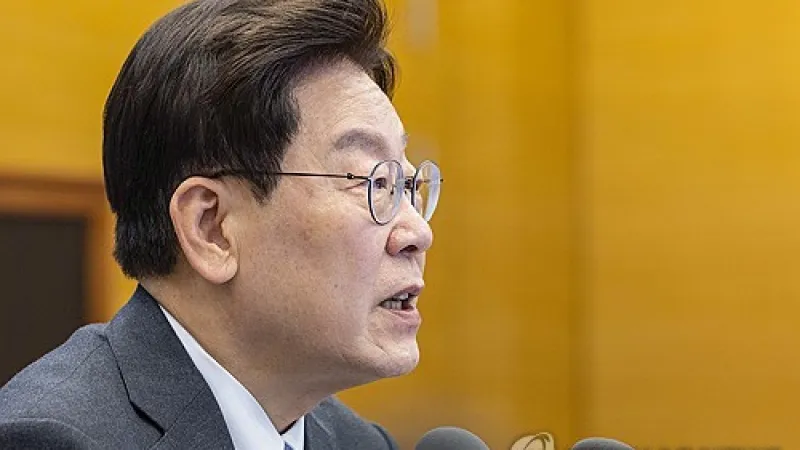
SEOUL – President Lee Jae Myung on Saturday, November 21, 2026, reinforced his administration's commitment to eradicating academic dishonesty by reiterating a substantial 100 million-won (approximately $75,000 USD) reward for individuals who provide verifiable reports of cheating on the College Scholastic Ability Test (CSAT), South Korea's pivotal university entrance examination. The announcement underscores the government's escalating efforts to preserve the integrity of a test that profoundly shapes students academic and professional futures.
The CSAT, administered annually, represents a defining moment for millions of South Korean high school students. Their scores are the primary determinant for admission into prestigious universities, which in turn significantly influences their career paths and social standing. Consequently, any perceived or actual compromise of the exam's fairness evokes widespread public concern.
President Lee's emphatic restatement of the reward mechanism highlights the severe challenges faced in maintaining exam integrity. The considerable sum is designed to act as a powerful deterrent against potential cheaters and an irresistible incentive for whistleblowers, including fellow students, parents, or educators.
This renewed focus on combatting CSAT cheating aligns with broader governmental initiatives aimed at educational reform. Earlier, President Lee notably demanded sweeping exam reform against the AI cheating threat, signaling a comprehensive strategy to future-proof the national examination system against evolving technological advancements that could facilitate new forms of academic fraud.
The administration recognizes that instances of cheating not only grant an unfair advantage to unscrupulous individuals but also demoralize diligent students who dedicate years to rigorous study. Upholding the sanctity of the CSAT is therefore viewed as essential for fostering a meritocratic society and maintaining public trust in the education system.
Details regarding the submission process for whistleblowers typically involve secure channels, often allowing for anonymity to protect informants from potential retaliation. Authorities usually require concrete evidence, such as photographs, videos, or credible eyewitness accounts, before initiating investigations.
Education Ministry officials, speaking off the record, indicated that the government is exploring multiple avenues to enhance test security, ranging from advanced surveillance technologies within examination halls to stricter oversight during the proctoring process. The reward system is one component of a multi-pronged approach.
Critics of such substantial rewards sometimes argue about the potential for false accusations or the creation of an environment of distrust among students. However, proponents assert that the gravity of CSAT cheating necessitates aggressive measures to protect the vast majority of honest test-takers.
The economic value of the reward, approximately $75,000, places it among the highest incentives offered globally for reporting academic fraud. This reflects the intense competitive landscape of South Korea's education system and the high stakes involved in gaining entry to top-tier universities.
As the next CSAT cycle approaches, the reiteration of this significant bounty sends an unequivocal message from the presidential office: academic integrity is non-negotiable. The government is prepared to deploy considerable resources, both financial and administrative, to ensure the fairness and credibility of the nation's most important examination.
This aggressive stance also reflects a broader governmental push for transparency and accountability across various sectors. The administration believes that strong deterrents and robust reporting mechanisms are vital for upholding ethical standards throughout society.
The CSAT is not merely an academic exercise; it is a national rite of passage that can dictate a young person's future trajectory. Ensuring its unimpeachable integrity remains a paramount concern for President Lee and his cabinet as they navigate the complex challenges of modern education.