Demian Sahputra
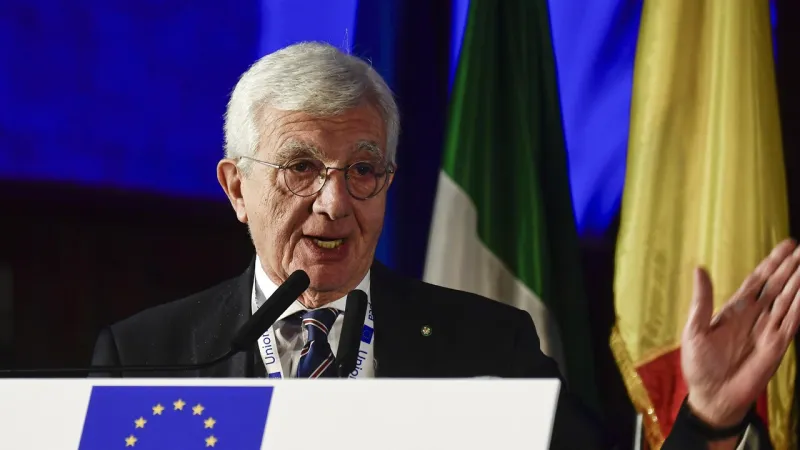
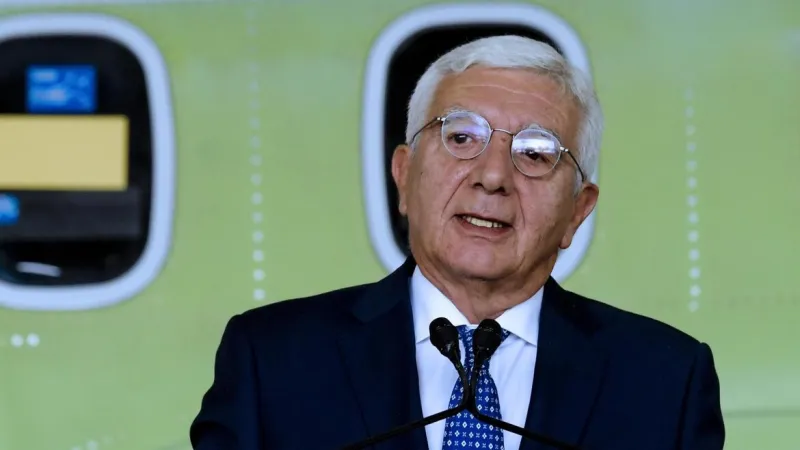
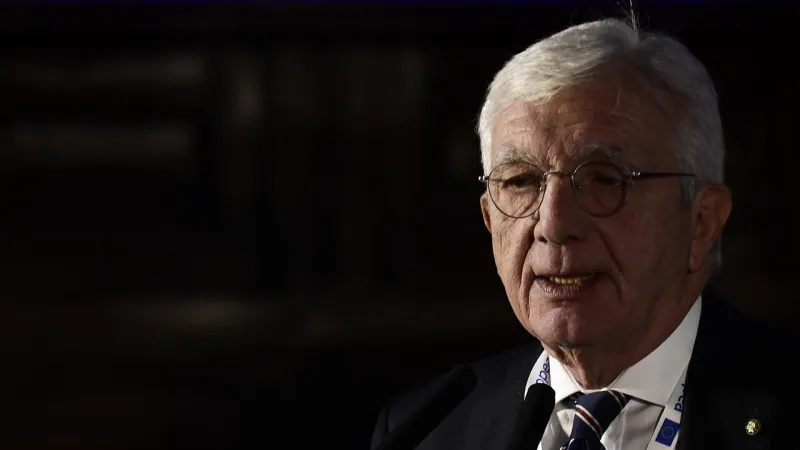
Maremma, Italy – Giovanni De Gennaro, a revered figure who once led the Italian National Police, has died by suicide at his secluded country estate in the picturesque Tuscan region of Maremma. Authorities confirmed the tragic death today, revealing the cause as a self-inflicted gunshot wound.
The unexpected passing sent shockwaves across Italy, prompting immediate speculation and grief. His legal representative, speaking shortly after the news broke, unequivocally linked De Gennaro's demise to the immense psychological toll exacted by what he termed 'consequences of infamous accusations.'
Law enforcement personnel, including forensic specialists from the Carabinieri's elite Scientific Investigations Department (RIS), quickly converged on the rural property. Their presence underscores the gravity of the situation and the thoroughness of the investigation into the exact circumstances surrounding the former chief's final moments.
De Gennaro, a statesmanlike figure, had a long and distinguished career in public service. He ascended to the highest ranks of Italian law enforcement, serving as the Chief of Police from 2000 to 2007. His tenure was marked by significant challenges, including the G8 summit in Genoa in 2001, and pivotal reforms aimed at modernizing the force and combating organized crime.
Following his leadership of the national police, De Gennaro continued to serve Italy in various capacities, including as head of the Department of Information for Security (DIS), Italy's primary intelligence agency. His extensive experience and deep understanding of national security made him a consistently influential voice in Italian political and security circles.
The 'infamous accusations' mentioned by his lawyer had reportedly cast a long shadow over De Gennaro's recent life. While the precise nature of these allegations remained a subject of intense public and legal scrutiny, earlier reports, including those detailed in articles such as Former Police Chief De Gennaro Dies by Suicide; Incitement Allegations Surface, indicated widespread concerns. These allegations, whatever their specific form, were understood to have weighed heavily on him.
Sources close to the family suggested that De Gennaro had been under considerable strain from the prolonged legal and media scrutiny. The pressure on high-profile public servants facing such challenges can be immense, often impacting not only their professional standing but also their personal well-being.
Officials from various political factions offered condolences, reflecting the bipartisan respect De Gennaro commanded throughout his career. Many expressed profound sorrow at the loss of a public servant whose life was dedicated to the state, while simultaneously calling for respect for his family's privacy during this difficult time.
The ongoing investigation by the RIS and local Carabinieri aims to meticulously reconstruct the events leading up to the suicide. While the method of death appears clear, investigators will examine all available evidence to ensure no other factors contributed to his decision.
De Gennaro's death concludes a chapter in Italian public life marked by unwavering commitment to national security and order. It also serves as a stark reminder of the often-unseen battles fought by individuals in positions of power, particularly when confronted with reputational attacks and legal challenges.
The news has sparked a broader conversation in Italy about the impact of public accusations on individuals, particularly those who have dedicated their lives to serving the state. His passing leaves a significant void in the nation's security landscape and political discourse.