Gabriella
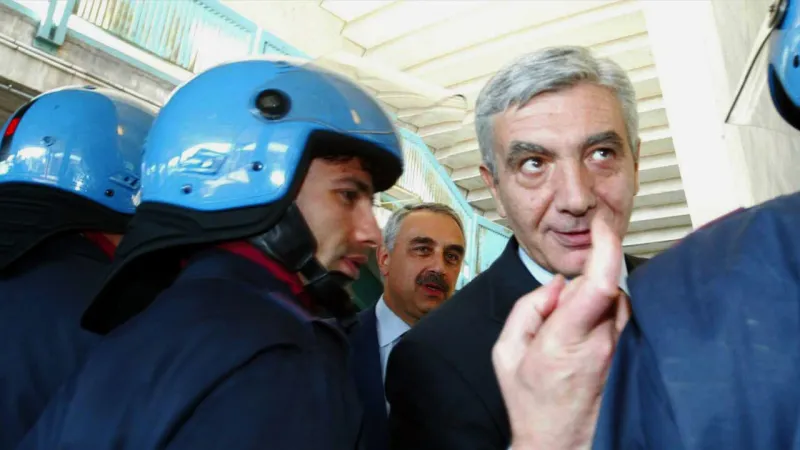
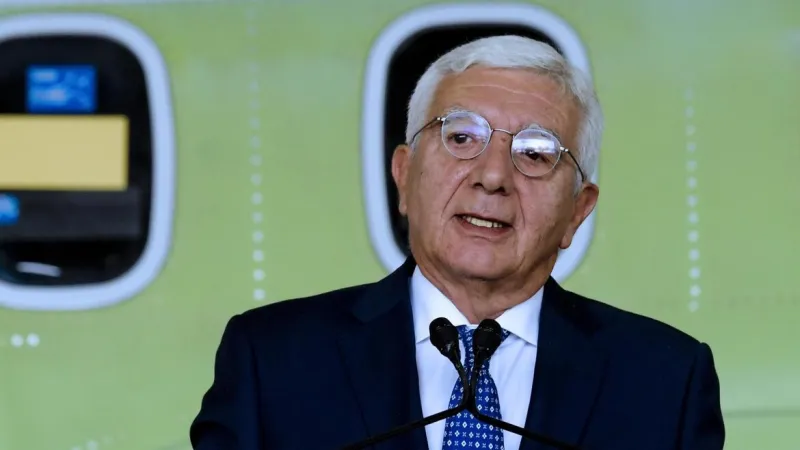
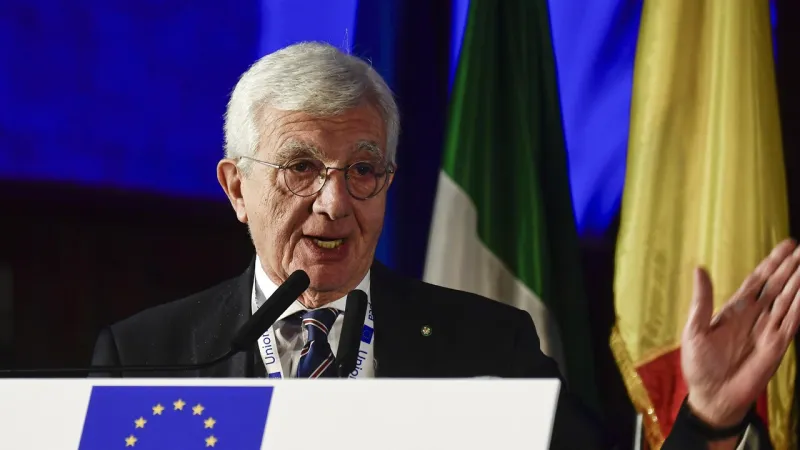
ROME – The untimely death by suicide of former Italian Police Chief De Gennaro has plunged the nation into a state of profound shock and ignited a furious debate, with prominent political figures and anti-mafia activists openly accusing public prosecutors of contributing to the tragedy. Prime Minister Giorgia Meloni expressed she was “profondamente scioccata per De Gennaro,” conveying deep personal distress over the news.
The shocking development reverberated through Italy’s political corridors, prompting immediate and strong reactions from across the spectrum. The former police chief, a figure whose career spanned decades of public service, leaves behind a legacy now overshadowed by the contentious circumstances of his demise.
Salvatore Borsellino, a revered name in Italy for his unwavering commitment to the anti-mafia movement and brother of assassinated judge Paolo Borsellino, did not mince words. He declared that “i pm responsabili di istigazione a suicidio,” directly blaming prosecutors for incitement to suicide. His powerful statement underscores a deep-seated frustration and suspicion regarding elements within the Italian judiciary.
Matteo Salvini, leader of the League party and a significant voice in the government coalition, echoed the sentiment of outrage, characterizing De Gennaro as a “vittima di un massacro.” This stark language suggests a perception of relentless pressure or character assassination that may have preceded the tragic event.
Adding to the gravity, Pier Ferdinando Casini, a veteran politician and former President of the Chamber of Deputies, issued a chilling warning. He stated that “gli unici a brindare saranno i mafiosi,” implying that the only beneficiaries of such a tragic loss would be organized crime elements, thereby casting a shadow over the integrity of the state apparatus.
These powerful denunciations collectively paint a picture of a nation grappling not only with the loss of a prominent public servant but also with serious allegations against the very institutions tasked with upholding justice. The accusations of incitement are particularly severe, suggesting a systemic failure or deliberate pressure campaign.
The depth of public mourning and political condemnation highlights the complex and often fraught relationship between Italy's political class, its law enforcement agencies, and its judiciary. Calls for clarity and a thorough examination of the events leading to De Gennaro's death are mounting.
Observers note that while De Gennaro's career had its share of controversies, the outpouring of condolences, coupled with fierce accusations, points to an extraordinary level of public and political distress. The event serves as a stark reminder of the immense pressures faced by those in high-profile public service roles.
For more on the developing story and the initial reports surrounding this incident, read Former Police Chief De Gennaro Dies by Suicide; Incitement Allegations Surface. This related article provides further context on the immediate aftermath of his passing.
The focus now shifts to how the Italian government and judiciary will respond to these serious allegations. The public demands transparency and accountability, especially when the integrity of the justice system is called into question by such high-ranking figures.
The implications extend beyond the immediate tragedy, potentially impacting public trust in state institutions and reigniting debates about judicial overreach or political interference in legal processes. The profound shock expressed by Prime Minister Meloni reflects the national gravity of this moment.
This tragic episode necessitates a robust and impartial investigation to ascertain the full scope of circumstances that led to the former chief's death. Only through such an inquiry can the nation hope to address the serious accusations and restore confidence.
The Italian political landscape, already dynamic in 2026, now faces another significant challenge, as leaders navigate the calls for justice and accountability. The memory of De Gennaro and the circumstances of his passing will undoubtedly shape future discussions on law enforcement and judicial oversight.