 Angela Stefani
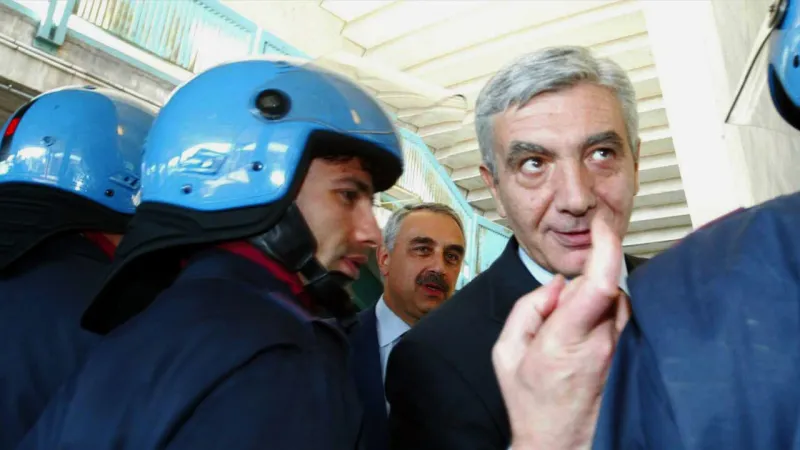
ROME – The storied career of Gianni De Gennaro, a towering figure in Italian national security, remains a subject of intense scrutiny and historical reflection in 2026. From his tenure as Italy's resolute Police Chief to his pivotal role as a top intelligence operative, De Gennaro navigated a landscape fraught with political intrigue and organized crime, leaving an indelible, yet complicated, mark on the nation's fabric before his tragic death.
Born in Calabritto, Campania, De Gennaro embarked on a path of public service that would see him rise to the highest echelons of law enforcement. His early years within the Carabinieri laid the groundwork for a disciplined and strategic approach to crime-fighting, quickly earning him a reputation for meticulousness and unwavering dedication.
He gained national prominence during his decade-long leadership of the Polizia di Stato, Italy's national police force. During this period, from 2000 to 2010, De Gennaro oversaw significant operations against the Mafia and various terrorist factions, modernizing police tactics and strengthening international cooperation.
His transition into the countrys intelligence apparatus, serving as Director General of the Department of Information for Security (DIS), underscored his versatility and the profound trust placed in his capabilities. As a clandestine operative, often referred to as Italy's 007, De Gennaro was central to safeguarding national interests against emerging global threats.
However, the high stakes of his roles frequently placed him at the epicenter of political and public debate. Critics often questioned the methods employed under his leadership, particularly concerning issues of civil liberties and the vast powers wielded by state security agencies.
Throughout his demanding career, De Gennaro faced intense pressure and numerous challenges, navigating a complex web of internal and external threats. Public opinion often polarized around his stern leadership, with supporters lauding his effectiveness and detractors pointing to perceived excesses of state power.
In the period leading up to his death, Gianni De Gennaro found himself embroiled in fresh controversies, facing a wave of accusations that cast a shadow over his decorated service. These allegations, which surfaced publicly, intensified the scrutiny on a man who had long operated at the frontiers of state secrecy. Accusations preceded his tragic suicide, drawing renewed attention to the pressures faced by figures at the top of national security.
His suicide subsequently shocked the nation and immediately sparked widespread debate. The circumstances quickly led to incitement accusations leveled against prosecutors, suggesting that the intense judicial pressure and public scrutiny may have contributed to his demise.
These allegations against the judiciary ignited a fierce political firestorm, with various factions demanding thorough investigations into the conduct of those involved in the preceding legal proceedings. The incident exposed deep fissures within Italy's legal and political systems, provoking calls for reforms.
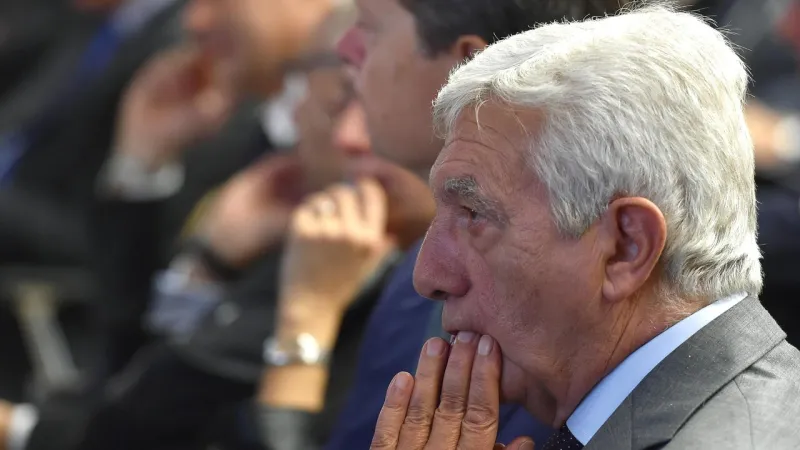
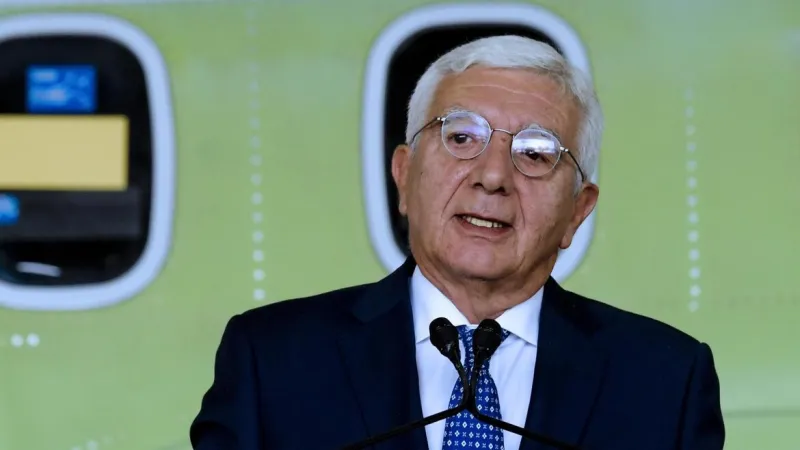
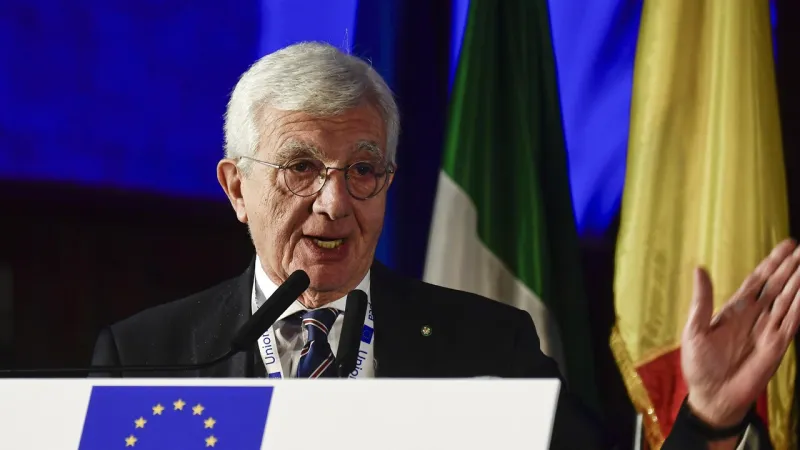
In 2026, the discussion surrounding Gianni De Gennaro's life and death persists, fueled by archival photographs and public records that offer glimpses into a career defined by both extraordinary achievement and profound controversy. Historians and political analysts continue to piece together the narrative of a man who personified Italy's struggle against formidable adversaries.
The ongoing reassessment of De Gennaro's legacy highlights the critical balance between effective national security and the imperative of accountability within a democratic framework. His story serves as a potent reminder of the immense burdens placed upon those tasked with protecting a nation, particularly when operating within the shadows of intelligence and law enforcement.
Ultimately, Gianni De Gennaro remains a complex figure whose life encapsulates the tumultuous history of modern Italy. His impact on the nation's security apparatus is undeniable, yet his legacy is forever intertwined with the controversies and tragic end that continue to provoke discussion and debate across the country.