 Dorry Archiles
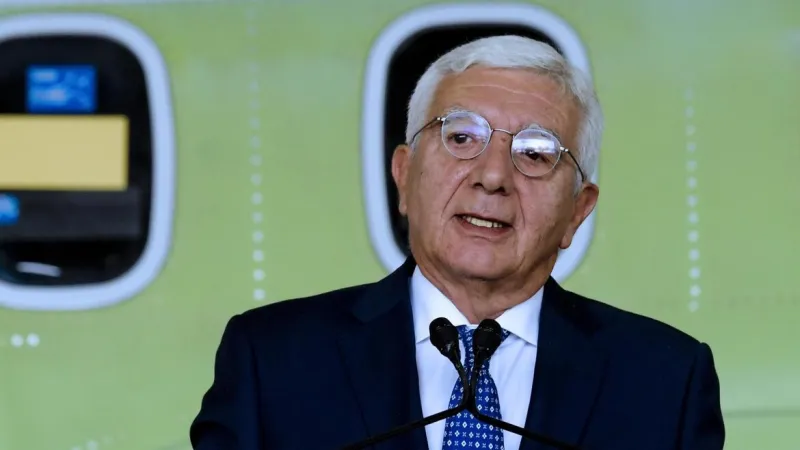
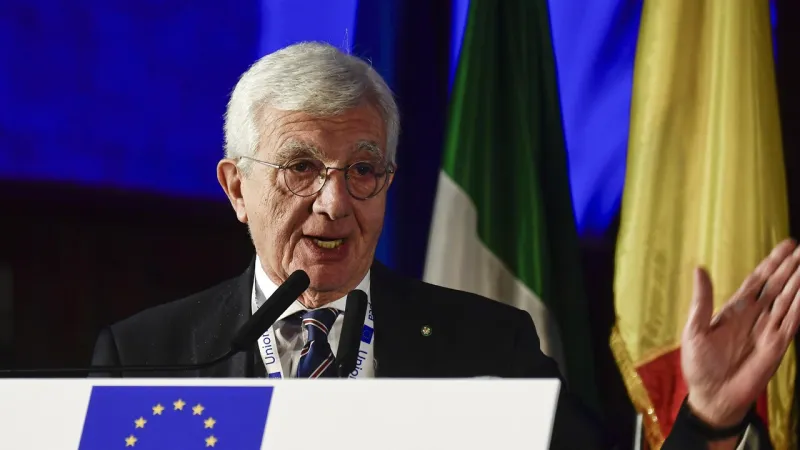
Tuscany, Italy – Gianni De Gennaro, the former head of Italy's national police force, died by suicide today at his country home in Tuscany from a self-inflicted gunshot wound, igniting immediate and fierce controversy across the nation. The shocking news prompted sharp accusations from Salvatore Borsellino, brother of slain anti-mafia judge Paolo Borsellino, who publicly blamed prosecutors for instigating the tragedy.
De Gennaro's death sends shockwaves through Italian political and law enforcement circles. His tenure as police chief spanned a critical period in Italy's fight against organized crime and political corruption, making his sudden demise a deeply unsettling event for many.
Sources close to the investigation confirmed that De Gennaro, a figure who once wielded immense power and influence, used a pistol in the act. The serene Tuscan countryside, typically a place of refuge, became the scene of a profound personal and national crisis.
Salvatore Borsellino's allegations are particularly inflammatory, suggesting a direct link between prosecutorial actions and De Gennaro's decision to end his life. He reportedly stated that specific members of the judiciary were "responsible for incitement to suicide," raising questions about ongoing legal pressures or investigations De Gennaro might have faced.
These accusations immediately drew parallels to Italy's complex history of high-profile political and judicial struggles, often involving figures connected to the state's battle against the mafia. The Borsellino family itself holds a tragic place in this narrative, with Paolo Borsellino assassinated by the mafia in 1992.
While the exact nature of the alleged prosecutorial instigation remains unclear, such a grave accusation demands immediate scrutiny. Public discourse has already begun to question the pressures placed upon individuals at the highest echelons of Italian public service, particularly those entangled in sensitive judicial inquiries.
De Gennaro had a distinguished career, characterized by both accolades and periodic controversy. He served as Chief of Police from 2000 to 2007, and later held other significant roles, including head of the Department of Information Security, Italy's intelligence agency. His leadership was often tested during periods of national crisis and anti-terrorism efforts.
The Ministry of Interior has yet to issue an official statement regarding Borsellino's claims, but sources indicate a comprehensive investigation into the circumstances surrounding De Gennaro's death is underway. This probe will likely delve into his recent activities, communications, and any potential legal proceedings.
The term instigation to suicide carries significant legal weight in Italy, implying an an act of persuasion or pressure that leads an individual to take their own life. If proven, Borsellino's claims could trigger a separate, unprecedented investigation into judicial conduct, potentially leading to further upheaval in the justice system.
Political leaders and former colleagues expressed sorrow and shock, though many refrained from commenting on Borsellino's allegations. The incident highlights the intense scrutiny and sometimes unbearable pressure faced by public figures in Italy, particularly those with long careers in law enforcement and state security. The ongoing developments are sure to ignite further debate on accountability within the state apparatus.
This tragic event resonates deeply within a country still grappling with historical questions of state complicity and justice. The public will undoubtedly demand transparency and a thorough accounting of the factors contributing to De Gennaro's final act, as the nation mourns the loss of a prominent figure under such distressing circumstances. The shadow of past judicial controversies looms large over this unfolding story.
The specific details of any recent prosecutorial actions against De Gennaro remain undisclosed. However, the gravity of Borsellino's public accusation suggests a deeply felt grievance and a belief that specific judicial pressures played a decisive role. This could relate to historical cases or more recent inquiries.
Journalists and legal analysts are already dissecting the implications of such a claim, particularly given the former police chief's extensive knowledge of state secrets and anti-mafia operations. His silence, now permanent, leaves many questions unanswered, potentially fueling further speculation and conspiracy theories.
In a related context, legal proceedings involving high-ranking officials often garner significant public attention. For instance, the case of a father accused of killing his son's alleged sex crime victim sent to prosecution underscores the intense public and legal pressures that can arise in complex criminal justice scenarios, mirroring, in part, the public scrutiny around prosecutorial decisions.
The timing of these accusations, coming immediately after the death, places significant pressure on the judiciary to respond. A formal inquiry into the instigation to suicide allegation, if pursued, would be an extraordinary development, challenging the very credibility of certain legal processes. This is not the first time Italian legal processes have faced intense public scrutiny, as seen in cases involving police and crime records such as those detailed in reports like the Berlin police confronting crime records, although in a vastly different context.
The broader implications for judicial oversight and the mental well-being of high-stress public servants are also coming to the forefront. This incident serves as a stark reminder of the human cost involved in navigating Italy's often tumultuous political and legal landscape. It raises questions not only about accountability but also about systemic support for those in positions of immense responsibility.
As the nation processes this tragedy, the calls for a thorough and impartial investigation will only intensify. The public demands not only answers regarding the death of De Gennaro but also a clear understanding of the claims made by Salvatore Borsellino, ensuring justice and transparency prevail.