Demian Sahputra
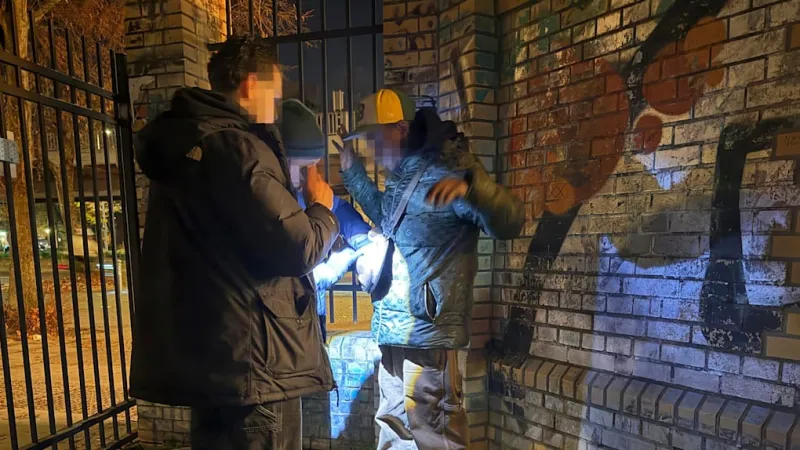
Berlin is grappling with an escalating urban crime landscape, a reality starkly underscored by the experiences of its elite plainclothes Hotspot Unit. These specialized officers daily navigate a challenging environment marked by rampant drug trafficking, violent encounters, and entrenched clan-related criminal activities. Their recent scrutiny of an individual, identified as an African man, revealed a staggering 220 entries in the police system, signaling a deeply ingrained pattern of criminal association. This frontline reality frequently clashes with proposed policy shifts from the Left Party, whose ideas for crime management are viewed with skepticism by those on the streets.
The Brennpunkt-Einheit, or Hotspot Unit, operates discreetly, immersing itself in districts identified as crime epicenters. Their mission extends beyond routine patrols; they aim to disrupt criminal networks and gather intelligence on ongoing illicit operations. This necessitates a proactive approach, often involving direct confrontations with individuals suspected of serious offenses.
During a recent operation, officers detailed their interaction with an individual whose police records were retrieved from the system. The discovery of 220 associated processes indicates a significant history of police contact, ranging from prior investigations and arrests to reported incidents. This voluminous record underscores the persistent challenges faced by law enforcement in managing individuals deeply entrenched in Berlin crime circuits.
The daily experiences of these officers paint a grim picture of metropolitan life where the prevalence of illicit substances, street violence, and the pervasive influence of organized crime, particularly family-based clans, undermine public safety. These elements converge to create complex challenges for urban policing, demanding resources and strategies that are often stretched thin.
Adding another layer of complexity to these operational realities are the political debates surrounding criminal justice. The Left Party, a significant force in German politics, has advocated for a new approach to crime, proposing reforms that some critics suggest could weaken law enforcement effectiveness.
Officers within the Hotspot Unit express strong reservations about these proposed policy changes. They argue that idealistic theories often fail to account for the brutal realities of daily street crime. Their perspective stems from direct observation and confrontation with criminal elements, where strict enforcement is often perceived as the only effective deterrent.
Berlin, like many major global capitals, faces unique demographic and social pressures that contribute to its crime landscape. The citys open borders, diverse population, and status as a hub for both legitimate and illicit activities create a fertile ground for varied criminal enterprises, from petty theft to international trafficking.
The phenomenon of clan-related crime, specifically, presents a formidable challenge. These tightly knit, often ethnically homogeneous groups operate with a high degree of internal cohesion, making them difficult for traditional law enforcement methods to penetrate and dismantle. Their involvement spans drug distribution, protection rackets, and property crime.
For the men and women of the Brennpunkt-Einheit, the job is not just physically demanding but also psychologically taxing. Witnessing the cycle of addiction, violence, and recidivism daily can lead to professional disillusionment when confronted with political narratives that appear disconnected from their lived experiences.
The ideological rift between those on the front lines of law enforcement and certain political factions illustrates a broader national debate on the balance between punitive measures and social rehabilitation in addressing crime. This tension within the German political landscape has been palpable, with figures like Premier Lies recently criticizing federal gridlock and demanding SPD leadership urgency on critical issues. The officers believe their practical insights are crucial to developing sustainable and effective crime prevention strategies.
Among the Left Partys proposals are concepts such as increased emphasis on social programs, decriminalization of certain offenses, and a reduction in police presence in specific communities. Proponents argue these measures address root causes of crime and reduce societal inequalities.
However, law enforcement personnel counter that such policies could inadvertently embolden criminals and exacerbate existing problems, particularly in high-crime zones. They warn that a perceived softening of enforcement could send the wrong message to organized groups and individuals who exploit societal vulnerabilities.
The discussion comes at a time when public trust in government institutions, including law enforcement, is under scrutiny. Effective policy must not only address criminal activity but also assure the populace of their safety and security within their communities.
This internal German debate over law and order mirrors discussions occurring across Europe, where governments are wrestling with how to maintain security while upholding civil liberties. The challenges faced by Berlins police are thus emblematic of wider continental struggles.
The stark data unearthed by units like the Brennpunkt-Einheit provides essential context for these policy deliberations. Understanding the scale and nature of repeat offending is critical for crafting legislation that genuinely serves both justice and public safety.
The units work extends to intelligence gathering, mapping criminal territories, and identifying key figures in illicit networks. Their daily reports and observations form a crucial intelligence backbone for larger criminal investigations undertaken by federal agencies.
The tension between policing tactics and political philosophy highlights the perpetual challenge of governance in a democratic society. How to balance robust law enforcement with individual freedoms and progressive social policies remains a central question for Berlins future.
Ultimately, the experiences of Berlins Hotspot Unit serve as a potent reminder of the complex, often unseen, battle against crime waged daily in urban centers. Their firsthand accounts offer invaluable perspectives that decision-makers must consider for effective governance.