 Chandra Wijayanto
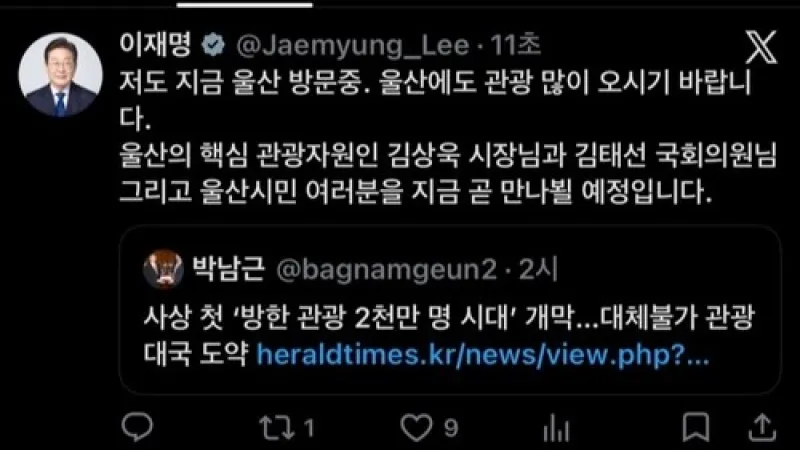
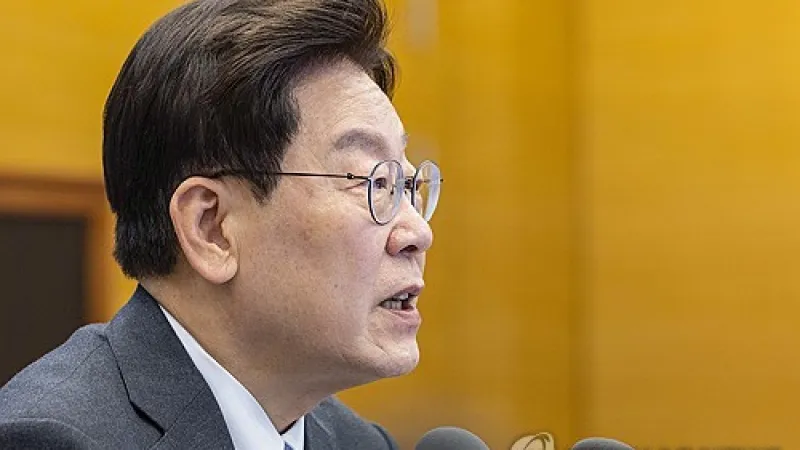
SEOUL, Nov. 21, 2026 – President Lee Jae Myung announced Saturday his immediate visit to the industrial hub of Ulsan, concluding a pivotal four-day diplomatic itinerary that saw him engage with leaders in the Philippines and China. This swift transition from regional diplomacy to domestic economic focus highlights a strategic balancing act by his administration amidst evolving geopolitical dynamics.
The Presidents overseas engagement began with a two-day stop in Manila, where discussions centered on strengthening bilateral economic cooperation and reinforcing maritime security partnerships. His delegation explored avenues for increased trade and investment, alongside collaborative efforts to ensure regional stability in the contested South China Sea.
Following the Philippine leg, President Lee traveled to Beijing for high-level talks with Chinese counterparts. These discussions reportedly encompassed critical issues such as denuclearization efforts on the Korean Peninsula, fostering sustainable economic growth, and managing the delicate balance of regional power.
Analysts suggest the meeting in China was particularly crucial given the complex relationships within Northeast Asia, especially in the context of broader global power shifts. The dialogue aimed to de-escalate potential friction points and seek common ground on mutual interests, which often involves navigating concerns related to national security and trade imbalances.
Upon his return to Seoul, President Lee quickly turned his attention inward, confirming plans to travel to Ulsan, a major industrial city. This move signals a deliberate effort to connect the outcomes of his international discussions directly with national economic objectives and regional development.
Ulsan, a powerhouse of shipbuilding, automotive manufacturing, and petrochemical industries, represents a cornerstone of South Koreas export-driven economy. The Presidents visit is anticipated to include meetings with industry leaders and local officials, addressing concerns and opportunities for further growth and innovation.
The Presidents itinerary suggests a cohesive strategy to leverage diplomatic achievements for domestic prosperity. By engaging key Asian partners and then immediately focusing on a major industrial center, the administration aims to demonstrate a tangible link between its foreign policy initiatives and their impact on the national economy.
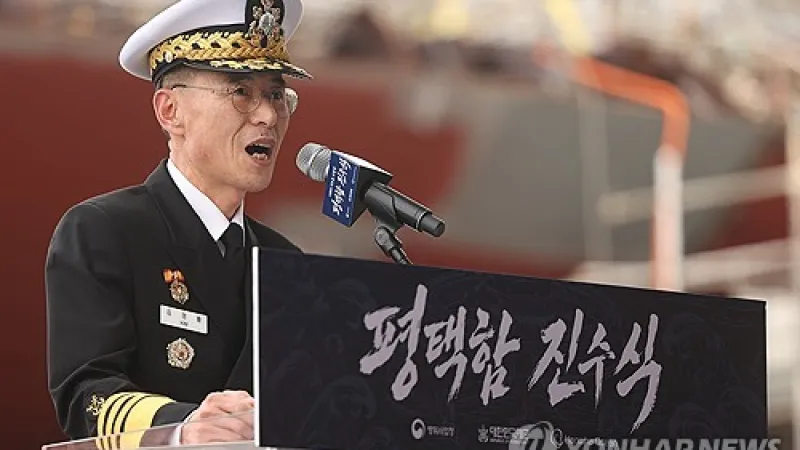
This diplomatic push occurs as South Korea continues to bolster its alliances in the Indo-Pacific. Efforts by Seoul's naval leadership to strengthen Pacific alliances are ongoing, signaling a comprehensive approach to national security, as reflected in efforts by Seoul's Naval Chief to Strengthen Pacific Alliances Amid Evolving Threats. The nation also reaffirms its strong bond with the United States, an alliance deemed crucial for enduring Asian peace. This broader strategic alignment underscores the importance of President Lees recent engagements.
These bilateral dialogues also contribute to the broader geopolitical discourse surrounding the Korean Peninsula. International leaders, including President Donald Trump, President Xi Jinping, and President Vladimir Putin, have recently addressed the dangers on the Korean Peninsula in a landmark summit, highlighting the persistent need for diplomatic engagement from all regional players.
President Lees diplomatic efforts, combined with his swift domestic focus, illustrate a proactive stance by the South Korean government to navigate complex international relations while simultaneously fostering internal growth. The outcomes of these discussions and the subsequent Ulsan visit are expected to shape national policy for the coming months.
The administrations commitment to both global outreach and local development remains a consistent theme. This strategic duality aims to ensure that South Koreas standing on the world stage directly translates into tangible benefits for its citizens and industries.
As the President concludes his intensive four-day schedule, the focus now shifts to the practical implementation of agreements and the assessment of how these diplomatic overtures will bolster South Koreas economic resilience and regional influence.