 Robert Andrison
Flores, Indonesia – A group of Italian tourists from Bologna found themselves unexpectedly stranded in the remote Indonesian archipelago of Flores following a significant earthquake, enduring tense moments aboard a boat before securing passage to Bali amid a scramble for outbound flights.
The seismic event, described by authorities as substantial, caught the vacationers unaware, transforming a tranquil holiday into a sudden ordeal. The initial tremor prompted immediate concern for their safety and travel plans, altering their itinerary dramatically.
“We were on a boat during the first tremor,” one of the Bolognese tourists recounted, detailing the unnerving experience of being at sea when the ground violently shook beneath them. This immediate impact underscored the unpredictable and formidable power of the natural disaster.
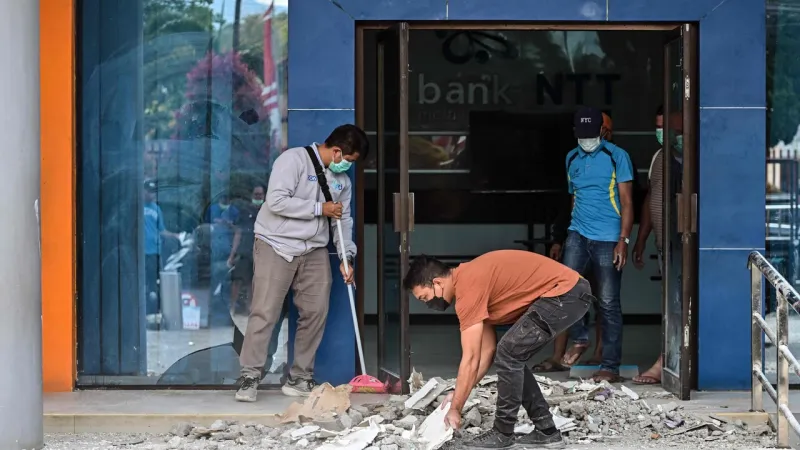
The earthquake not only jolted the natural landscape but also disrupted critical infrastructure across Flores. Local communications and transportation networks likely suffered, exacerbating the tourists sense of isolation and making immediate information scarce.
With initial travel plans thrown into disarray, the group faced the pressing challenge of finding a safe haven and arranging onward travel from the affected region. While Flores is known for its natural beauty and attractions, a crisis situation presents significant logistical hurdles for visitors.
Compounding their troubles was the difficulty in securing international flights. “Flights to Italy all full,” the same tourist added, highlighting the rapid surge in demand for outbound seats and the limited availability from the region as others also sought to depart. This scenario is frequently observed during widespread emergencies.
Local authorities and potentially the Italian consular services in Indonesia would have initiated coordination efforts to assist the stranded visitors. The immediate priority shifted from leisure activities to ensuring the safe passage of all affected travelers away from the immediate aftermath of the Flores earthquake.
After a period of uncertainty, the Bolognese tourists, alongside other international visitors impacted by the seismic event, managed to secure onward transportation. Their destination was Bali, Indonesia’s primary hub for international air travel, offering a crucial stepping stone towards their eventual return home.
This incident serves as a stark reminder of Indonesia’s geographical position on the Pacific Ring of Fire, a region notoriously prone to seismic activity. Reports of a recent Indonesia earthquake that tragically claimed lives and necessitated the evacuation of other Italian citizens further illustrate the region’s inherent vulnerabilities.
The reliance of Flores on tourism means that such natural disasters can have far-reaching economic consequences, impacting local businesses, hospitality services, and the livelihoods of residents. Recovery efforts often extend beyond immediate relief to long-term economic rebuilding.
From Bali, the Italian tourists now confront the logistical complexities of rescheduling their international flights back to Italy. This process can involve navigating packed flight schedules, potential cancellations, and increased ticket prices, extending the disruption to their journey.
The psychological toll of experiencing an earthquake while abroad, particularly when followed by a period of uncertainty and travel disruption, is significant. What began as a vacation transformed into a harrowing experience, leaving indelible memories.
This episode underscores the critical importance for international travelers to maintain vigilance regarding local conditions, heed official warnings, and familiarize themselves with emergency protocols, especially when visiting areas known for natural phenomena like earthquakes.
Despite the challenging circumstances, the affected Bolognese tourists demonstrated considerable resilience and resourcefulness in navigating the aftermath of the Flores earthquake and coordinating their safe passage. Their story highlights the enduring human capacity to adapt and overcome adversity.