 Chandra Wijayanto
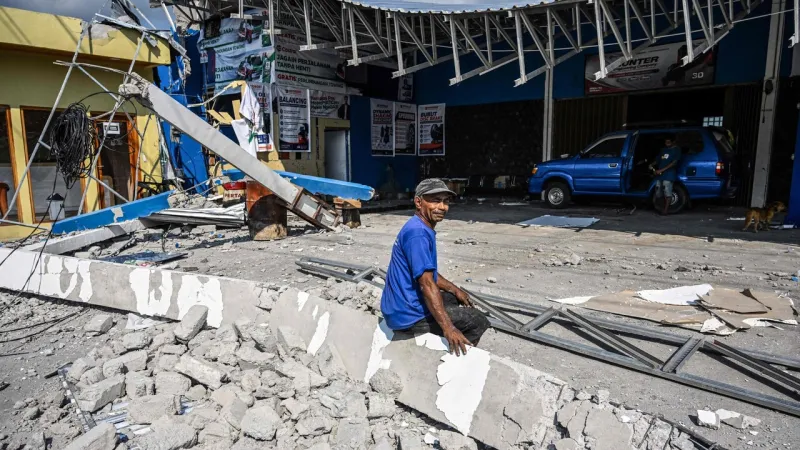
A powerful earthquake has devastated an island in Indonesia, claiming the lives of at least 48 individuals, while 13 Italian citizens have safely departed the affected region. The seismic event triggered immediate relief operations, with the first waves of humanitarian aid now reaching the displaced populations.
The tremor struck with significant force, causing widespread destruction to infrastructure and homes. Rescue teams are actively engaged in search and recovery missions, navigating treacherous debris fields in a race against time to locate potential survivors. The full extent of the damage remains under assessment, with local authorities warning that casualty figures could yet climb.
Reports from the ground depict scenes of significant distress, as thousands of residents have been rendered homeless. These displaced individuals are now sheltering in temporary encampments, reliant on the incoming aid for basic necessities like food, water, and medical supplies. Many are grappling with the trauma of losing loved ones and their livelihoods.
The swift evacuation of the 13 Italian nationals underscores the international concern for those caught in the disaster zone. Diplomatic channels worked rapidly to ensure their safe passage off the island, prioritizing their well-being amid the unfolding crisis. Their departure marks a critical phase in the international communitys response.
Humanitarian organizations and government agencies have mobilized rapidly to deliver essential resources. Convoys carrying emergency provisions, medical personnel, and technical equipment are making their way to the hardest-hit areas. The coordination of these efforts is paramount to addressing the immediate needs of the Indonesia earthquake victims.
The Indonesian government has declared a state of emergency in the affected province, pledging full support for recovery and rehabilitation efforts. President Joko Widodo expressed profound condolences to the victims families and vowed comprehensive assistance to rebuild shattered communities. International aid offers are being coordinated through official channels.
Indonesia is situated along the Pacific Ring of Fire, a highly seismically active zone where numerous tectonic plates converge. This geological reality frequently exposes the archipelago to earthquakes and volcanic eruptions, necessitating robust disaster preparedness strategies. The region has a long history of powerful seismic events.
Distributing aid across a potentially remote or geographically challenging island presents significant logistical hurdles. Damaged roads, communication breakdowns, and adverse weather conditions can impede the swift delivery of assistance, making careful planning and resource allocation vital for effective humanitarian intervention.
Beyond the immediate emergency, the long-term implications for the affected communities are substantial. Rebuilding homes, restoring essential services, and supporting psychological recovery will require sustained national and international commitment. The economic impact on local industries, particularly tourism and agriculture, is also a growing concern.
Nations worldwide have extended sympathies and offers of assistance, highlighting the global solidarity in the face of natural catastrophes. These pledges range from financial contributions to expert search and rescue teams, underscoring the collective effort to help Indonesia overcome this devastating earthquake.
As the immediate crisis continues, the resilience of the Indonesian people will be tested. Authorities and aid agencies are focusing on not only immediate survival but also on fostering a path toward sustainable recovery, ensuring that communities are better equipped to withstand future seismic events in this volatile region.