Gabriella
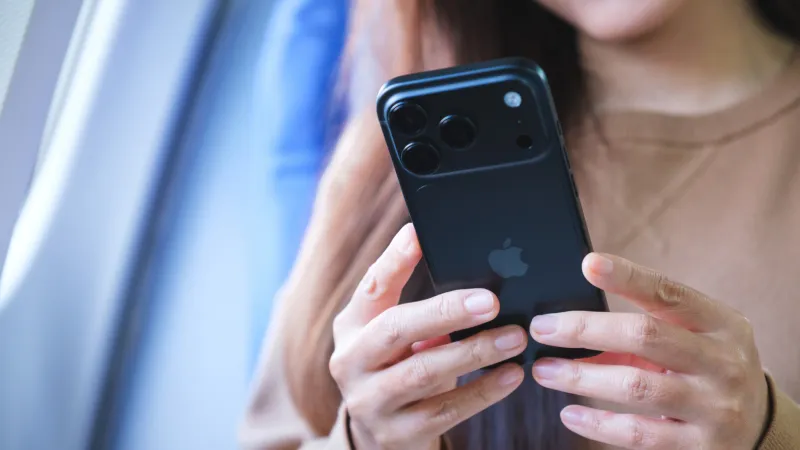
New York – As digital lives expand exponentially, the utility of 2 terabytes (TB) of phone storage has emerged as a significant point of discussion for consumers and industry analysts in 2026. Once considered an extravagant luxury, this substantial storage capacity is increasingly being weighed against escalating media demands and the desire for device longevity, prompting a reevaluation of what constitutes sufficient space for modern smartphone users.
The shift toward higher storage capacities is not arbitrary. Contemporary smartphones are equipped with advanced camera systems capable of capturing 4K and even 8K video, alongside high-resolution RAW images that consume immense data. These media types, coupled with graphically intensive mobile games and an ever-growing array of applications, quickly saturate the internal memory of devices with lesser capacities.
For professional content creators, avid mobile gamers, and those who frequently edit large files directly on their device, 2TB phone storage presents a compelling case. These power users often juggle multiple demanding applications and store vast libraries of media, making cloud-only solutions impractical due to bandwidth limitations or the need for immediate offline access.
Conversely, the average smartphone user, primarily engaging in social media, web browsing, and casual photography, may find 2TB of internal storage to be excessive. Many users rely heavily on cloud services such as Google Photos, Apple iCloud, or Microsoft OneDrive, which offload media to remote servers, freeing up precious local space. This strategy often proves more cost-effective and scalable for casual usage patterns.
Understanding how storage is consumed is crucial. The operating system itself, along with essential pre-installed applications, typically occupies a significant portion of a phones baseline storage. User-generated content – photos, videos, and downloaded media – then constitutes the largest variable. A single minute of 4K video can consume hundreds of megabytes, while some modern mobile games now exceed 100 gigabytes in size.
The financial implications of opting for a 2TB variant are not negligible. Manufacturers typically charge a premium for higher storage tiers, a cost that can sometimes rival a significant portion of the base device price. Consumers must weigh this upfront investment against the perceived future utility and the availability of more affordable cloud-based alternatives.
Cloud storage services offer a flexible alternative, allowing users to expand their digital footprint without being tethered to physical device limitations. However, a reliable internet connection is paramount for accessing these files. For those preferring local storage without a permanent commitment to internal capacity, portable external solid-state drives are becoming increasingly compact and affordable, albeit adding another accessory to manage.
Proponents of 2TB phone storage argue that it is a strategic investment in future-proofing a device. As software updates grow larger, applications become more complex, and media resolutions continue their upward trajectory, a larger base storage ensures that a smartphone remains viable and performant for an extended period, potentially delaying the need for an upgrade. This substantial 2TB phone storage capacity minimizes the frequent dilemma of deleting files to free up space.
Industry trends indicate a gradual but steady increase in baseline storage offerings across flagship smartphones, reflecting consumer demand and technological advancements. While 1TB became more common in premium models a few years ago, 2TB phone storage is now appearing more frequently, suggesting a future where even larger capacities become standard.
Technology analysts suggest that while 2TB phone storage is not yet a universal necessity, its growing availability underscores a broader shift in how individuals interact with their mobile devices. The smartphone is increasingly serving as a primary computing platform, necessitating robust internal resources to handle advanced tasks and extensive data accumulation.
The decision ultimately hinges on individual usage patterns and budgetary considerations. A user frequently capturing high-fidelity content or managing an extensive game library will likely find considerable value in 2TB phone storage. Conversely, a minimalist approach leveraging cloud services could be more practical for others, mitigating the need for such extensive local capacity.
This discussion also ties into how users consume media. The choice between downloading high-resolution content directly onto a device or streaming it impacts storage needs significantly, as does mobile data consumption and battery life. For a deeper dive into these considerations, readers can explore our article on Stream or Download? Unraveling Mobile Data and Battery Drain.