 Stefani Rindus
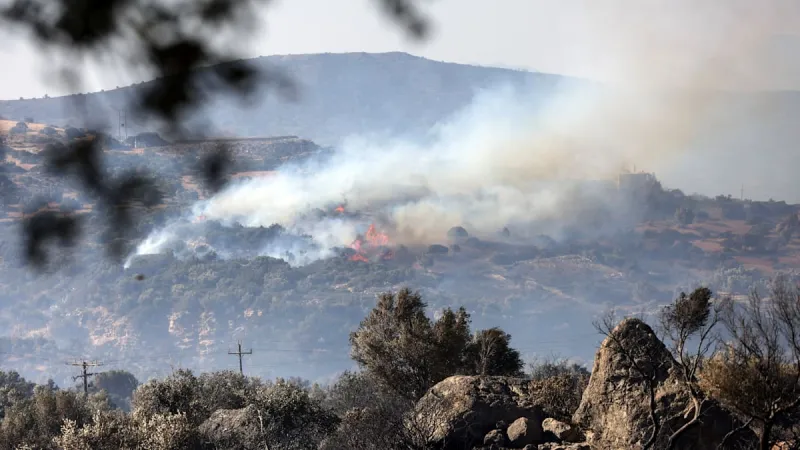
Wildfires on the popular Greek island of Crete have intensified dramatically, forcing thousands of tourists into emergency accommodations as gale-force winds severely impede efforts by firefighters to control the blazes. The escalating crisis underscores the vulnerability of Mediterranean holiday destinations to extreme weather phenomena.
Local authorities confirmed the widespread evacuations, with tourists being moved from affected resorts and hotels to safer designated areas such as gymnasiums and community centers. The swift action aims to prevent casualties and ensure visitor safety amidst the rapid spread of flames.
The relentless, hurricane-force winds are a critical factor, fanning the flames across dry vegetation and rugged terrain. These conditions create unpredictable fire behavior, making aerial firefighting operations hazardous and ground efforts exceedingly difficult for emergency crews.
Firefighters, many from other regions and countries, are battling tirelessly against the inferno. Their task is compounded by limited visibility and the sheer scale of the blazes, which have engulfed significant swathes of forest and scrubland.
Accounts from evacuated tourists describe a terrifying experience. Many woke to skies thick with smoke and the immediate need to leave their holiday accommodations with minimal belongings, citing the overwhelming speed and intensity of the fires.
The disaster is expected to have a substantial impact on Crete's vital tourism industry. Summer is peak season, and the disruption caused by widespread evacuations and potential property damage could lead to long-term economic repercussions for the island.
This incident is not isolated, as southern Europe frequently grapples with devastating wildfires, particularly during periods of prolonged heat and drought. The Mediterranean basin has become a hotspot for such events, driven by changing climatic patterns.
Scientists and environmental experts consistently link the increasing frequency and intensity of these Crete wildfires and similar events across the globe to climate change. Higher temperatures and altered precipitation patterns contribute to drier landscapes, making them more susceptible to ignition.
The ongoing situation highlights the urgent need for enhanced disaster preparedness and early warning systems in vulnerable regions. International cooperation in firefighting resources and strategies is also crucial to mitigate the impact of such widespread emergencies.
Emergency services and volunteers are working around the clock to provide essential supplies, medical aid, and psychological support to those displaced. The focus remains on containing the fires and ensuring the well-being of both residents and visitors.
Despite the daunting challenges, the local communities on Crete have demonstrated remarkable resilience, banding together to assist those affected. Many residents have opened their homes to stranded tourists and offered practical support wherever possible.
While immediate efforts concentrate on extinguishing the blazes, the long-term recovery will involve significant reforestation projects and infrastructure rebuilding. Authorities are also expected to review and enhance their fire prevention protocols to better safeguard the island in the future.
The situation on Crete serves as a stark reminder of the escalating environmental challenges facing Europe, mirroring crises like the severe drought and heatwave impacting other parts of the continent. For instance, Italy Declares Red Alert As Po River Dries, Heatwave Intensifies, indicating a wider regional susceptibility.
International organizations and neighboring countries are monitoring the situation closely, with some already offering or preparing to provide aid and additional firefighting assets, recognizing the cross-border nature of such environmental disasters.
The Greek government has declared a state of emergency in the affected areas, mobilizing national resources and coordinating with local authorities to manage the crisis. Official statements emphasize the priority of human life and safety.