 Edward DP Situmorang
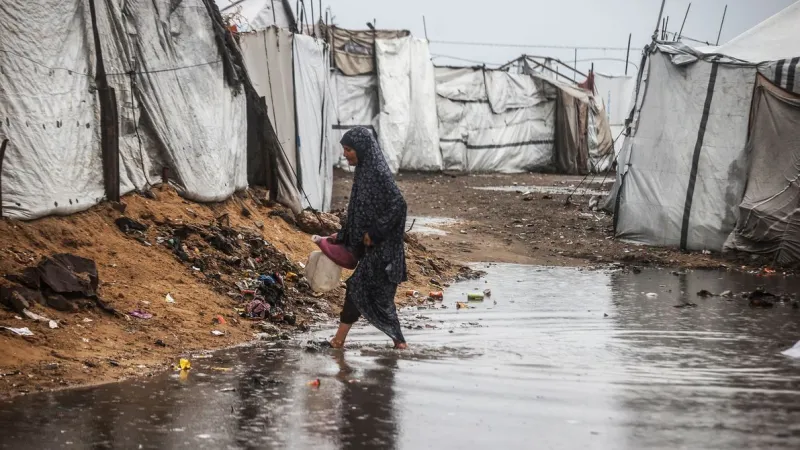
GAZA STRIP – Persistent and extensive flooding across the Gaza Strip has plunged the besieged territory into a deepening humanitarian crisis, forcing local authorities and residents to confront an agonizing choice: preserve dwindling supplies of clean drinking water or divert critical resources to pump out accumulating raw sewage. This catastrophic dilemma, unfolding in 2026, stems directly from severe Israeli restrictions on repair materials and essential fuel, exacerbating the impact of natural disaster on an already fragile infrastructure.
The dire situation manifests most acutely in the strategic diversion of fuel. Scarce diesel, intended to power deep-water wells that supply the populace with potable water, is now being rerouted to drainage pumps. This decision, made under immense pressure, aims to clear streets and residential areas of contaminated floodwaters, a measure crucial for public health but detrimental to long-term water security.
Such diversions inevitably cripple the already strained water infrastructure. With less fuel for pumping, water treatment plants operate sporadically, leading to reduced availability of safe drinking water. Households, already struggling with unreliable supplies, face even greater scarcity, compelling them to rely on unsafe sources or reduce consumption, with severe health implications.
Simultaneously, the accumulation of raw sewage presents an immediate and profound public health emergency. Overflowing wastewater treatment facilities and damaged sewage networks, unable to cope with the deluge or the lack of power for pumps, release untreated effluent into streets and homes. This creates a breeding ground for waterborne diseases, including cholera, typhoid, and dysentery, threatening widespread outbreaks.
Israeli restrictions on the entry of essential goods, particularly those deemed dual-use, significantly impede efforts to mitigate the crisis. Materials crucial for repairing damaged infrastructure—pipes, pumps, spare parts, and construction components—are often delayed or denied entry. This bureaucratic hurdle transforms localized damage into systemic failures, preventing timely and effective responses to natural disasters.
The human toll of this crisis is immense. Families contend with inundated homes, the stench of sewage, and the constant fear of illness. Children, particularly vulnerable, face disrupted schooling and play in contaminated environments. Hospitals and clinics, already under immense pressure from years of blockade and conflict, brace for an inevitable surge in waterborne diseases, further straining their limited resources.
International humanitarian organizations operating in the Gaza Strip have repeatedly warned of the impending catastrophe. Reports from groups like the United Nations Childrens Fund underscore the severe impact on hygiene and sanitation, highlighting that the integrity of the entire public health system is at risk without immediate intervention.
The current crisis underscores Gaza's chronic vulnerability, a condition deeply rooted in ongoing geopolitical dynamics. Years of blockade have systematically undermined the territorys ability to maintain and upgrade its vital infrastructure, leaving it exceptionally susceptible to environmental shocks like heavy rainfall and subsequent flooding.
The global community has often struggled to find effective solutions to Gazas complex challenges. While humanitarian aid continues to flow, it often operates as a stopgap measure rather than addressing the root causes of the territories systemic fragility. Political will and diplomatic efforts are crucial to easing restrictions and facilitating sustainable development.
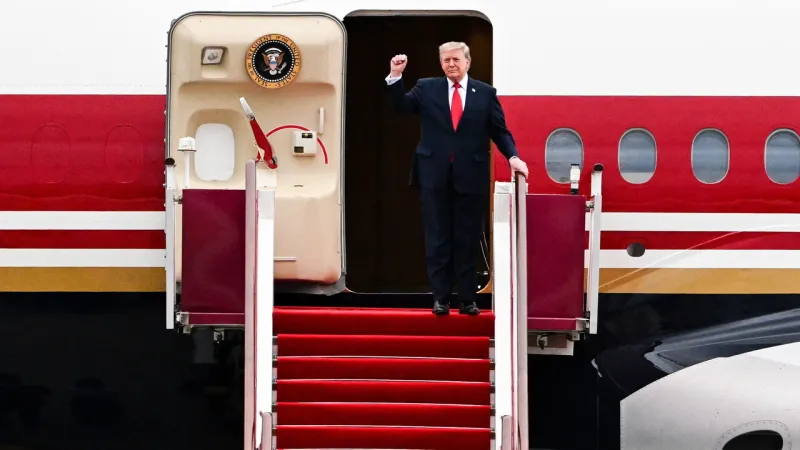
President Donald Trump's administration, navigating a complex web of global diplomatic challenges, faces renewed calls from various international bodies to prioritize humanitarian access and infrastructure resilience in the Palestinian territories. The balancing act between security concerns and humanitarian imperatives remains a delicate and urgent point of contention.
Without an urgent and coordinated response, including the immediate lifting of restrictions on critical materials and fuel, the people of Gaza will continue to suffer the consequences of this man-made natural disaster. The choice between clean water and basic sanitation is not one any community should be forced to make in the 21st century.
The long-term implications of this crisis extend beyond immediate health concerns. The contamination of land and aquifers poses a persistent threat to agricultural capacity and future water resources, jeopardizing food security and creating an even more entrenched cycle of poverty and dependence.