 Angel Doris
WASHINGTON – United States intelligence agencies have issued a stark warning, indicating that Russia could launch an attack against NATO within weeks. This alarming projection has sparked intense debate among defense analysts and policymakers regarding Moscow's immediate intentions and the potential for a broader European conflict.
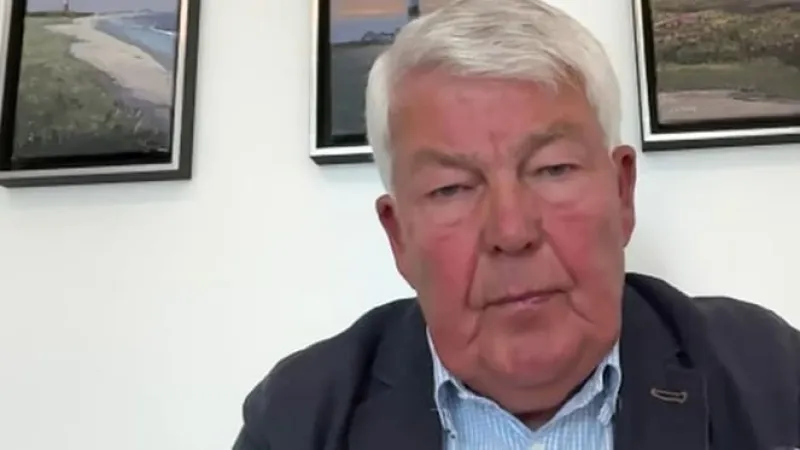
However, this dire assessment is not universally accepted. Retired General Roland Kather, a distinguished military officer with extensive experience, voiced significant skepticism regarding the likelihood of a full-scale confrontation. “I doubt whether Russia would actually enter into an open war with NATO,” Kather stated, providing a contrasting perspective to the intelligence community’s assessment.
Despite his reservations about an overt military invasion, General Kather emphasized a critical distinction in the current geopolitical landscape. He firmly asserts that the West is already entangled in a different, albeit equally dangerous, form of engagement. “One must realize that we are already in a hybrid war with Russia,” Kather declared, underscoring the ongoing, multifaceted nature of the conflict.
This concept of a hybrid war encompasses a broad spectrum of non-conventional tactics designed to destabilize adversaries without triggering direct military responses. Such strategies typically involve widespread cyberattacks targeting critical infrastructure, sophisticated disinformation campaigns aimed at eroding public trust, and various forms of economic coercion.
The implications of a hybrid war are profound, posing unique challenges that differ significantly from traditional battlefield engagements. It blurs the lines between peace and conflict, making attribution difficult and requiring a comprehensive, coordinated response that extends beyond conventional military deterrence.
US intelligence officials, while acknowledging the complexities of modern warfare, remain focused on the potential for a rapid escalation to kinetic conflict. Their warnings are reportedly based on a combination of intelligence gathering, analysis of Russian troop movements, and Moscow's strategic pronouncements.
The administration of President Donald Trump has consistently maintained a firm stance on national security, reiterating its commitment to supporting NATO allies and deterring aggression. However, the internal debate between intelligence agencies and experienced military figures like General Kather highlights the nuanced challenges in interpreting complex threat assessments.
NATO, for its part, has been actively bolstering its collective defense capabilities across Eastern Europe, undertaking numerous military exercises and deploying additional forces to its eastern flank. These measures aim to demonstrate the alliance's resolve and readiness to defend every inch of its territory, should Russia overtly challenge its borders.
The ongoing tensions are set against a backdrop of wider global instability, with various regional conflicts and geopolitical realignments contributing to an environment of heightened alert. The debate over Russia’s intentions underscores the fragile state of international security and the constant need for vigilance and strategic foresight.
Ultimately, whether Russia intends an open confrontation or continues its campaign of hybrid warfare remains a subject of intense scrutiny. The contrasting viewpoints presented by US intelligence and General Kather underscore the critical importance of accurate threat assessment and robust defense strategies in safeguarding peace and stability in Europe.