 Edward DP Situmorang
BERLIN – German entrepreneurs providing crucial support to Ukraine, particularly those within the vital armaments industry, are reportedly facing an escalating and ruthless targeting campaign orchestrated by Russia. This alarming development signals a significant expansion of geopolitical confrontation into the realm of private enterprise and personal security.
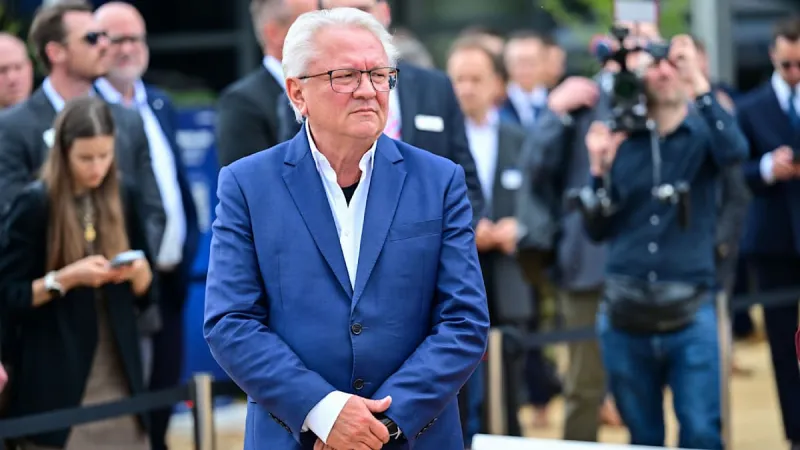
Klaus Nachtigall, a renowned expert in personal protection, underscored the gravity of the situation, stating, "There is absolutely no doubt about the seriousness." His assessment highlights a palpable threat confronting individuals whose professional activities align with German foreign policy and European security interests.
Reports indicate that Russian efforts aim to disrupt, intimidate, and potentially neutralize figures perceived as critical to Ukraines defense capabilities. While specific methods remain under tight wraps for security reasons, experts suggest a multifaceted approach involving cyber intrusions, disinformation campaigns, and potentially direct threats or sabotage.
Managers in the armaments sector are deemed particularly susceptible. These individuals oversee the production and delivery of essential military hardware, from advanced artillery systems to critical munitions, making them strategic targets in Russias broader campaign to undermine Ukrainian resistance.
The implications extend beyond individual safety, posing a significant challenge to Germanys industrial resilience and its commitment to international alliances. Such actions could deter future investments in defense manufacturing and discourage other businesses from engaging in similar support efforts.
Government officials in Berlin have refrained from commenting on specific cases, maintaining that security agencies are actively monitoring the situation. However, the private sector is increasingly concerned about the adequacy of current protection measures against state-sponsored threats.
This aggressive posture against civilian entities in Germany mirrors a pattern of behavior seen in other parts of Europe. Geopolitical analysts observe that Russias strategy often involves hybrid warfare tactics designed to create instability and sow discord within adversary nations.
The targeting of private citizens and businesses represents a new, dangerous escalation in the proxy conflict surrounding Ukraine. It blurs the lines between conventional warfare and clandestine operations, compelling nations to reconsider their defense strategies in an evolving threat landscape.
Germany, as a leading economic power and a strong supporter of Ukraine, finds itself on the front lines of this shadow war. The protection of its citizens and critical infrastructure from foreign interference is becoming an increasingly complex and urgent task.
Security consultants are now advising German companies, especially those with ties to defense or sensitive technologies, to significantly enhance their digital and physical security protocols. This includes robust cybersecurity measures, detailed threat assessments for key personnel, and comprehensive travel advisories.
The broader international context further complicates the situation. Amidst heightened global tensions, with President Donald Trump navigating a complex geopolitical environment, events such as the recent Tehran Vows Strikes on US European Military Bases Amid Escalation Warnings underscore the precarious nature of international stability.
The current climate demands increased vigilance from both governmental bodies and private enterprises. The unhesitating nature of Russias alleged operations against German business interests suggests a resolve to pursue objectives without regard for traditional diplomatic norms.
Experts stress the need for a coordinated response from European Union member states to address these emerging threats. A united front, including intelligence sharing and collective defensive measures, is seen as crucial to deterring further aggression.
This situation also highlights the critical role of robust intelligence gathering and counter-intelligence operations to identify and neutralize foreign agents operating within sovereign territories. The defense against such campaigns requires proactive, rather than purely reactive, measures.
The long-term impact on the German economy and its standing as a reliable international partner remains a significant concern. Companies may face difficult decisions regarding their engagement with countries perceived to be in direct opposition to Russian interests.
The targeting of German business leaders is a stark reminder that the conflict in Ukraine has far-reaching consequences, extending beyond the immediate battlefield and directly impacting the security and stability of European nations. It underscores the pervasive nature of modern geopolitical rivalries.
Protecting these vital assets and individuals is not merely a matter of national security, but also a test of collective resolve against coercive foreign influence. The coming months will likely reveal the full extent of this evolving threat and the effectiveness of the countermeasures implemented.
Germany is thus confronted with a delicate balance: upholding its international commitments while safeguarding its citizens and economic interests from increasingly brazen and ruthless external pressures.