 Angela Stefani
BERLIN – Germany's ruling coalition is locked in intense negotiations over a comprehensive income tax reform, alongside potential compromises on pensions and health insurance, amidst stark warnings that these efforts may prove too little, too late to mitigate simmering public discontent and sway upcoming election outcomes, particularly in the economically sensitive eastern states.
The Social Democratic Party (SPD) and the Christian Democratic Union (CDU/CSU) are currently wrestling with the intricacies of significant fiscal policy changes within the sensitive confines of the coalition committee. These discussions aim to alleviate financial pressures on citizens while maintaining budgetary stability.
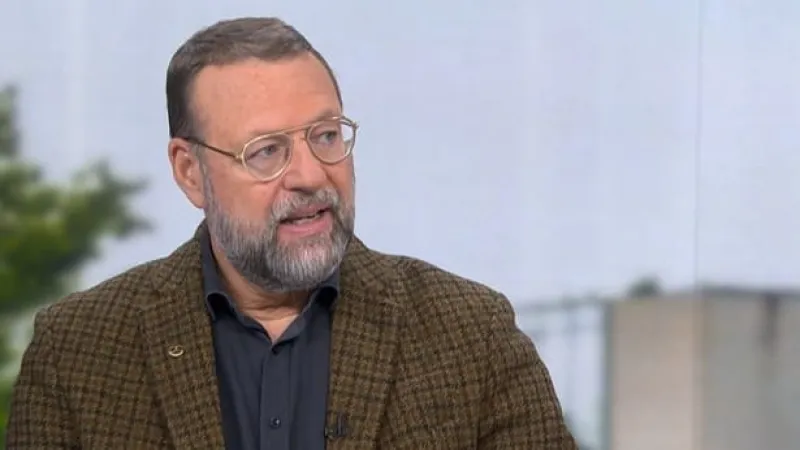
Nikolaus Doll, a political editor for WELT, a leading national media outlet, articulated a cautious optimism regarding certain aspects of the talks. He noted that opportunities exist for the coalition to forge common ground, particularly concerning reforms to the national pension system and health insurance frameworks.
However, Doll offered a sobering prognosis concerning the broader political implications. He explicitly stated, "That will not be enough for the elections to turn out in the interest of the Union and the SPD."
This assessment underscores the profound challenge facing the governing parties as they confront the burgeoning "protest potential," a term frequently used to describe the underlying public dissatisfaction and readiness to demonstrate or vote against established parties. This sentiment is particularly pronounced in Germany's eastern regions, which often feel overlooked or disproportionately affected by national policies.
Historically, eastern Germany has exhibited higher levels of electoral volatility and a greater inclination towards protest movements, often fueled by economic disparities, a sense of political alienation, and lingering societal transformations since reunification. These regions represent a critical battleground for electoral success.
The proposed income tax reform forms the centerpiece of the current legislative push, with both coalition partners seeking to ease the burden on middle-income earners while navigating the complexities of fiscal responsibility. Simultaneously, discussions on pension adjustments aim to secure long-term stability for retirees, and health insurance reforms seek to optimize healthcare access and affordability.
Achieving consensus on these multifaceted issues presents a formidable challenge for the coalition. Disagreements often emerge along ideological lines, with the SPD typically advocating for stronger social safety nets and wealth redistribution, while the Union tends to prioritize fiscal prudence and economic growth incentives.
With several crucial state elections on the horizon, coupled with national polls, the outcome of these reform efforts carries immense electoral weight. The ability of the SPD and Union to demonstrate tangible improvements in living standards and address public grievances could significantly impact their political fortunes.
The coalition's struggle to manage public expectations around economic relief is not isolated. Across Europe, governments grapple with similar pressures; for instance, the article on German Motorists Face Soaring Fuel Costs As Tax Rebate Ends illustrates another area of public economic frustration. Such widespread discontent amplifies the need for decisive action.
The current political climate in Germany is marked by increasing polarization and a rise in support for populist parties, which often capitalize on public frustration with mainstream political actors. The coalition's failure to effectively address core economic anxieties could further fuel this trend.
Beyond immediate electoral concerns, the successful implementation of these reforms is crucial for maintaining social cohesion and public trust in democratic institutions. A perception of inaction or insufficient relief could deepen cynicism and further entrench the protest potential.