Chris Robert
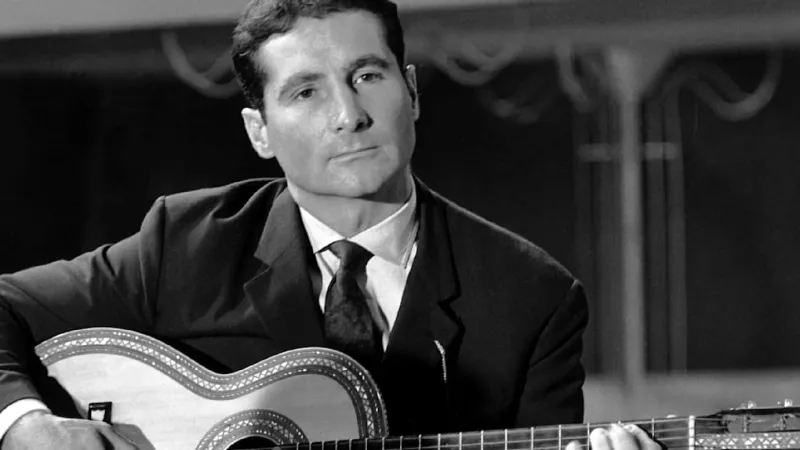
Hamburg, Germany – Freddy Quinn, the iconic singer whose seafaring anthems defined Germany's post-war economic boom, will celebrate his 95th birthday on Sunday, reflecting on a career built on musical prowess and a carefully crafted public image. While his record label famously portrayed him as a world-weary globetrotter, Quinn himself later acknowledged this persona as a creative fabrication designed to enhance his appeal during the Wirtschaftswunderzeit.
Quinn's rise to prominence coincided with Germany's period of rapid economic recovery in the 1950s and 1960s. His distinctive voice and songs of longing for distant shores, often featuring themes of wanderlust and adventure, resonated deeply with a nation rebuilding itself and looking toward a brighter future. These melodies became the soundtrack to a generation finding its footing after devastating conflict.
The narrative of Freddy Quinn as a perpetual traveler, a restless spirit forever on the move, was a cornerstone of his marketing. His management and record company meticulously cultivated this image, suggesting a life spent traversing oceans and experiencing exotic locales, even as his demanding schedule largely kept him anchored to recording studios and performance venues across Germany and Europe.
Years later, the entertainer candidly addressed the fabrication surrounding his public identity. He reportedly dismissed the extensive travel stories as a product of show business, characterizing them as a harmless but untrue embellishment. This admission offered a rare glimpse behind the curtain of celebrity, revealing the deliberate construction of a persona designed for mass appeal.
Despite the later revelations, the globetrotting myth did little to diminish Quinn's immense popularity. For his vast fanbase, the emotional connection to his songs transcended the literal truth of his travels. His music evoked universal sentiments of adventure, melancholy, and the human spirit's desire for exploration, cementing his status as a beloved figure in German cultural history.
Born in Austria, Quinn adopted Hamburg as his spiritual home, a port city that perfectly complemented his seafaring repertoire. This connection further blurred the lines between his artistic persona and personal life, grounding the Fernweh (wanderlust) he sang about in a tangible German location.
Beyond his chart-topping hits, Freddy Quinn also ventured into acting, appearing in numerous films that often mirrored his musical themes, portraying sailors, adventurers, and men seeking their destiny. These cinematic appearances further solidified his image as a man of the world, even if his actual journeys were more limited than his publicists suggested.
Quinn stood out in an era that saw the emergence of various pop idols. His unique blend of folk, pop, and a touch of Americana, coupled with his dramatic delivery, set him apart. He was a master storyteller, transforming simple narratives into evocative sonic journeys that captured the imagination of millions.
His enduring appeal is a testament to the quality of his artistry and the lasting resonance of his songs. Even decades after his peak commercial success, his music continues to be played and remembered, a nostalgic link to a pivotal period in Germany's post-war identity.
As Freddy Quinn marks his 95th year, his legacy remains robust: a musical pioneer who not only entertained but also provided a cultural compass during a time of national resurgence. His birthday serves as an occasion to appreciate the artistry that endured, transcending the fabricated tales of his global adventures.