 Dodi Irawan
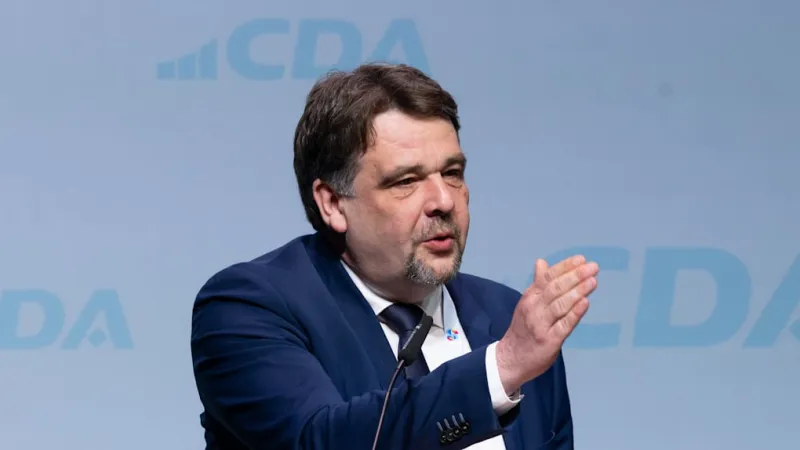
BERLIN – The Christian Democratic Employees Association (CDA), a prominent wing of Germany's center-right CDU, has called for a direct 500-euro annual mobility premium to alleviate the financial strain on middle and lower-income households battling elevated fuel prices. The proposal, championed by CDA Chairman Dennis Radtke, aims to provide targeted relief, distinguishing itself from broader measures like fuel discounts or price caps deemed imprecise by the party's worker contingent.
Radtke's initiative specifically targets individuals earning less than the national median income, currently pegged at 54,000 euros per year. This income threshold is designed to ensure that the assistance reaches those most affected by the rising cost of transportation, a critical factor in daily life for many Germans.
Furthermore, the plan includes provisions for additional surcharges for families with minor children, acknowledging the compounded financial pressures faced by larger households. This tiered approach underscores the CDA's commitment to a more equitable distribution of economic support.
The CDU employees' wing argues that previous or alternative measures, such as a general fuel discount or a blanket price cap, fail to precisely address the needs of the most vulnerable segments of society. Such broad policies, they contend, often benefit higher-income earners disproportionately, diluting their effectiveness for those truly struggling.
Germany, like many other European nations, has experienced significant volatility in fuel prices over recent years, driven by global market fluctuations, geopolitical events, and energy policies. These increases have impacted household budgets, particularly in rural areas where public transportation options are limited and car dependency is high.
The debate over targeted economic relief measures comes as other factions within the CDU also grapple with significant policy challenges, including discussions surrounding long-term social security and pension reforms. For instance, CDU Leaders Threaten German Pension Reform with Core Changes, indicating a broader internal dialogue on economic policy.
Other European countries have adopted varying strategies to combat high fuel costs. Italy, for example, has periodically extended excise tax cuts on diesel fuel to ease consumer burdens, as detailed in reports like Italy Approves Diesel Excise Cut, Easing Fuel Costs Until August 25, showcasing diverse national responses to a shared economic challenge.
Economists widely acknowledge that targeted subsidies, while potentially more complex to administer, can be more fiscally responsible and socially equitable than universal relief programs. The proposed mobility premium aims to channel resources directly to those for whom rising fuel costs pose a genuine threat to financial stability.
The CDA's proposal is likely to spark considerable debate within the broader German political landscape. While it may garner support from social welfare advocates and labor unions, conservative elements might raise concerns about the administrative overhead and potential for creating new bureaucratic structures.
As the German government continues to navigate economic pressures, the call for a mobility premium highlights the ongoing challenge of balancing fiscal prudence with social responsibility. The eventual outcome of Radtke's proposal will offer insight into the CDU's evolving approach to supporting its citizens through turbulent economic times.
The push for a mobility premium underscores a growing recognition within Germany's political establishment that inflation and cost-of-living increases necessitate nuanced, targeted interventions. The effectiveness of such a program would depend heavily on precise implementation and ongoing evaluation of its impact on the intended beneficiaries.