 Demian Sahputra
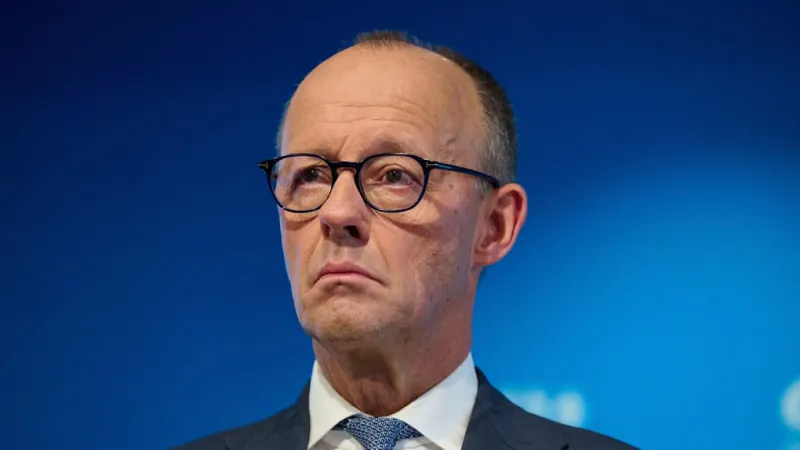
BERLIN – Germany's political landscape is experiencing a significant shift as the far-right Alternative for Germany (AfD) holds its position as the nation's strongest political force with 26% of the vote, according to a recent public opinion poll. This marks the closest the center-right Union alliance has come to the AfD since July, narrowing the gap to just five percentage points.
The findings underscore a volatile period in German politics, where traditional parties struggle to regain broad public trust amidst rising populist sentiment. While the AfD sustains its considerable support, the Union's incremental gain indicates a potential stabilization or even a modest recovery for the mainstream opposition.
Crucially, the poll highlights Chancellor Friedrich Merz's profound struggle for public acceptance. A striking 86% of respondents expressed dissatisfaction with the Chancellor's performance, a figure that presents a formidable challenge to his leadership and the stability of the current governing coalition.
This widespread disapproval of Chancellor Merz suggests a deep vein of discontent among the German populace, possibly stemming from various policy decisions, economic concerns, or his overall public persona. Such a high level of dissatisfaction is historically problematic for an incumbent leader and could have severe repercussions for future electoral contests.
The AfD's consistent strength, despite numerous controversies, reflects a segment of the electorate drawn to its anti-establishment rhetoric and conservative stances on immigration and European integration. The party has successfully capitalized on anxieties within society, maintaining its appeal to voters feeling disenfranchised by mainstream politics.
Conversely, the Union, comprising the Christian Democratic Union (CDU) and its Bavarian sister party, the Christian Social Union (CSU), appears to be making a concerted effort to reconnect with voters. Their narrowing of the gap against the AfD, albeit modest, could signal a slight pivot in strategy or a response to broader economic and social trends.
However, the core issue remains Chancellor Merz's low approval. Political analysts suggest that without a significant turnaround in public perception, the Chancellor's ability to effectively govern and lead his party into the next general election could be severely hampered. His leadership is under intense scrutiny from within his own party and from rival factions.
The poll results also bring into sharper focus the challenges faced by Germany's democratic institutions in navigating a fractured political environment. The rise of parties like the AfD compels traditional political actors to re-evaluate their platforms and communication strategies to address voter concerns more effectively.
Historical precedents indicate that such high levels of dissatisfaction with a Chancellor often precede periods of political instability or significant shifts in governmental power. The coming months will be critical in observing whether Chancellor Merz can implement measures to mitigate this widespread public discontent.
Beyond domestic policy, Germany continues to play a pivotal role on the world stage. The stability of its government is essential for European cohesion and global partnerships. Persistent internal political challenges, particularly those driven by public opinion, can influence the nation's capacity for international leadership.
The AfD's continued prominence also raises questions about the future direction of German society. Concerns have been voiced regarding the party's rhetoric on historical events and its associations with extremist elements. For instance, Hocke Distorts WWII History, AfD Youth Circulates Nazi Poem highlighted controversies surrounding the party's figures and youth wings.
As the 2026 political calendar unfolds, all eyes will be on how the major parties adapt their strategies. The Union must not only contend with the AfD's populist pull but also address the deep-seated public dissatisfaction with Chancellor Merz to forge a path towards greater electoral success and political stability.