 Chris Robert
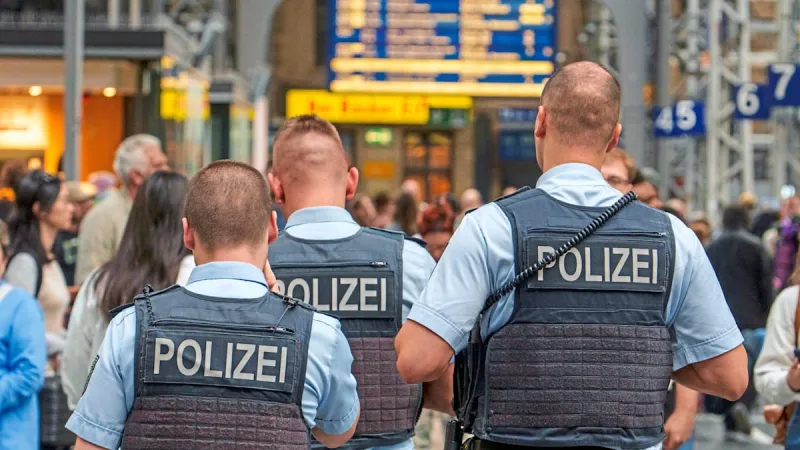
BERLIN – Germany is poised to enact stricter penalties for individuals who assault public service workers, including bus drivers, train conductors, and emergency responders. A cabinet draft introduced by Federal Justice Minister Stefanie Hubig of the Social Democratic Party (SPD) outlines proposals for more severe legal consequences, underscoring a national commitment to protect those serving the common good.
The proposed legislation seeks to address a persistent and concerning trend: the increasing frequency and severity of attacks targeting essential personnel. These individuals often find themselves at the front lines of public interaction, facing potential aggression while performing their duties.
Minister Hubig’s initiative extends beyond specific professions, encompassing all employees of institutions dedicated to public welfare. This broad definition ensures that crucial sectors, ranging from public transport to healthcare and law enforcement, receive enhanced legal protection under the new framework.
While existing German law already penalizes assaults, the new draft aims to elevate the classification and sentencing for offenses against these specific groups. This recalibration is intended to serve as a stronger deterrent and send a clear message about the societal value placed on these frontline roles.
The move comes amid calls from various unions and professional associations representing public service workers, who have long advocated for stronger legal safeguards. They argue that current sentencing often fails to reflect the gravity of violence perpetrated against those dedicated to public safety and infrastructure.
The legislative intent, as articulated by the Justice Ministry, underscores that violence against public servants is an attack on the fabric of society. The proposed changes are designed to reflect this gravity, ensuring that those who serve communities can do so without undue fear for their personal safety.
The draft specifies that offenses such as physical assault, verbal abuse, and intimidation directed at these workers will face more stringent judicial review. The objective is not merely punitive, but also to reinforce societal respect for individuals performing vital functions.
Historically, instances of violence against public transport staff and emergency services have sparked public outrage and highlighted systemic vulnerabilities. This legislative push represents a direct response to these societal concerns and the need for a robust legal response.
The SPD, as a key player in Germany's governing coalition, is championing this measure, aligning it with broader efforts to bolster social cohesion and protect essential infrastructure. The parliamentary process for the draft is expected to involve consultations across political spectrums.
Legal experts suggest that the proposed changes could lead to a significant increase in the average sentences handed down for such offenses. This shift would provide judges with clearer guidelines and greater scope to impose penalties commensurate with the harm caused to both the individual and the public trust.
The discussion around the legislation also touches upon the psychological impact of these attacks on public servants. Beyond physical injuries, consistent exposure to aggression can lead to burnout, stress, and a reluctance to continue in these critical roles, exacerbating staffing challenges.
Critics, while largely supportive of protecting public workers, may raise questions regarding the precise definitions of public service facilities and the potential for over-criminalization. However, the prevailing sentiment indicates strong support for strengthening protections.
The legislative agenda of the SPD, particularly in justice, has often focused on balancing individual rights with collective safety. This proposed law for harsher penalties for attacks on public servants exemplifies that commitment, aiming to create safer working environments.
The next phase for Minister Hubig’s cabinet draft involves review and debate within the Bundestag. Should it pass, it would signify a pivotal legislative step in reaffirming the inviolability of public service roles across Germany.