 Debby Wijaya
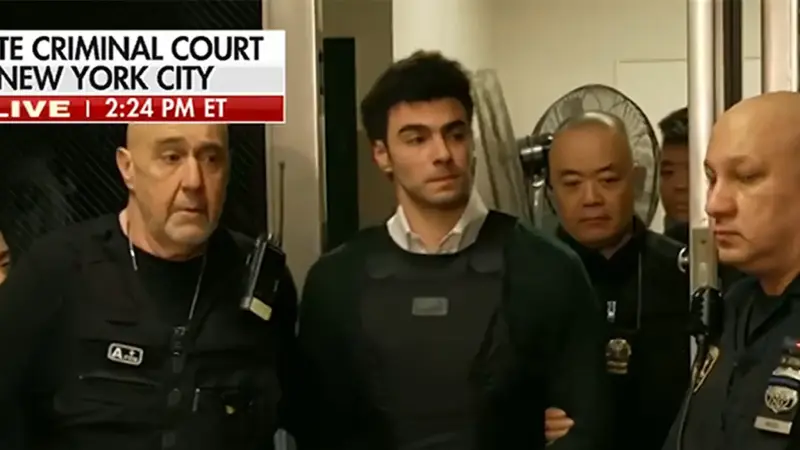
CHICAGO — A man facing federal charges for a devastating warehouse arson this week startlingly invoked renowned jazz trumpeter Chuck Mangione in court documents, according to filings made public Tuesday. The unexpected reference by Marcus Thorne, 42, has introduced a peculiar dimension to the ongoing legal proceedings, prompting speculation about its relevance to his defense.
The indictment alleges Thorne intentionally set fire to a commercial storage facility in the city's industrial district last December, causing tens of millions of dollars in damages and severely disrupting local supply chains. Investigators have described the blaze as meticulously planned and executed, though a clear motive beyond the destruction itself has remained elusive until now.
The specific mention of Mangione, famous for his 1970s hit “Feels So Good,” appears in a defense motion seeking a psychological evaluation for Thorne. While the documents do not explicitly detail the context of the invocation, legal experts suggest it could point to an attempted defense strategy questioning the defendant's mental state or capacity at the time of the alleged crime.
Federal prosecutors have vehemently opposed the motion for evaluation, arguing that Thorne has consistently shown calculated behavior throughout the investigation. They contend that any reference to cultural figures is a diversionary tactic designed to obscure the defendant's culpability in the serious charges he faces.
Jane Holloway, a prominent criminal defense attorney unaffiliated with the case, commented on the unusual nature of the filing. “It is highly unconventional to see such an oblique cultural reference in a motion for psychological assessment unless there is a very specific, underlying narrative,” Holloway stated. “The defense will need to draw a clear line between the musical artist and the defendant's state of mind for this to hold any weight.”
Thorne, who has no previous record of serious offenses, worked as a logistics manager for a company with operations near the affected warehouse. His arrest six months ago followed an extensive investigation involving forensic analysis and surveillance footage.
The arson incident itself caused widespread alarm, leading to temporary evacuations and significant air quality concerns for several days. Businesses operating in the vicinity reported substantial losses due to damaged goods and operational interruptions.
Judge Alistair Vance is expected to rule on the motion for a psychological evaluation by the end of the month. The prosecution has indicated its readiness to proceed with trial, confident in the evidence gathered against Thorne.
While initial theories considered anything from insurance fraud to corporate espionage, none have fully materialized in public court records. The Mangione reference, however puzzling, presents the first hint of a potentially deeper, perhaps psychological, explanation for the alleged destructive act.
The news has generated considerable buzz online and within legal circles, with many questioning the strategic wisdom of such a public disclosure. Social media platforms are awash with theories ranging from a coded message to a profound misunderstanding.
There is no known direct connection between Thorne and Mangione, and the jazz icon has not issued any public statement regarding his unexpected mention in the court proceedings.
Attorneys for Thorne have declined to comment specifically on the Mangione reference, citing the ongoing nature of the case and their commitment to preserving their client's right to a fair trial.
The court's decision on the psychological evaluation could significantly alter the trajectory of the trial, potentially paving the way for an insanity defense or mitigation arguments based on mental health concerns.
This case underscores the complexities increasingly encountered in legal battles where defense teams explore every avenue to explain perplexing criminal behavior.