Gabriella
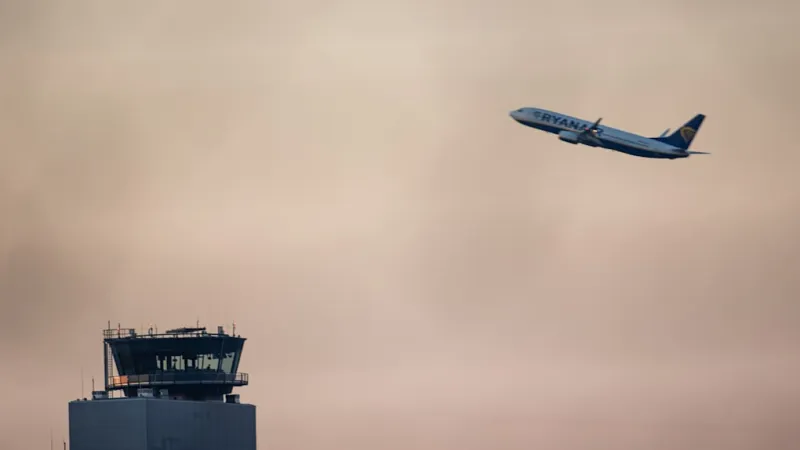
BERLIN – Over 300,000 scheduled flights have been precipitously removed from German airport timetables since 2019, signaling a profound and escalating crisis for the nation's aviation industry and its pivotal role as a global economic hub. This striking figure stands in stark contrast to the general boom experienced across much of Europe's air travel sector, raising urgent questions about Germany's competitive standing.
The extensive wave of German flight cancellations carries significant weight, impacting not only passenger travel but also critical logistics, business connectivity, and the country's overall appeal for foreign investment. This persistent disruption poses a vexing challenge to the German economy, already navigating complex geopolitical and domestic pressures.
While other European nations report robust post-pandemic air traffic recovery and expansion, Germany appears to be experiencing a divergent trajectory. Industry analysts point to a confluence of factors contributing to this slowdown, distinguishing Germany from its continental neighbors.
Initial disruptions stemmed from the global pandemic, but the inability of German airports and airlines to fully restore pre-2019 capacity has persisted. Labor shortages, particularly among ground staff, security personnel, and air traffic controllers, have repeatedly forced airlines to scale back operations.
Industrial action, a recurrent feature in various German sectors, has further exacerbated the situation. Strikes by airport staff and security personnel frequently lead to widespread flight grounding, inflicting substantial economic damage and eroding passenger confidence.
Regulatory hurdles and environmental policies also play a role, with some critics arguing that German aviation faces stricter operational constraints compared to other European hubs. These policies, while aiming for sustainability, can inadvertently limit growth and operational flexibility.
The impact extends beyond the immediate travel inconvenience. Businesses reliant on rapid international transport for goods or personnel face increased costs and delays. International conferences and tourism, once pillars of the German service economy, suffer from diminished accessibility.
Comparatively, neighboring air hubs like Amsterdam, Paris, and even those recovering from their own specific issues, such as the Italian Air Traffic Disrupted by Control Network Fault, often demonstrate swifter and more comprehensive recovery efforts. This divergence underscores a unique challenge for Germany.
Observers suggest that years of underinvestment in airport infrastructure and a sometimes-stagnating bureaucratic process have compounded the operational difficulties. Modernizing and expanding capacity at key German airports remains a critical, yet often delayed, endeavor.
The German government faces increasing calls from industry stakeholders to address these structural issues. Strategies involving enhanced workforce recruitment, streamlined regulatory approvals, and strategic infrastructure investments are frequently proposed to reverse the trend of declining air connectivity.
Without decisive action, experts warn that the long-term implications for Germany could be severe. A diminished aviation sector directly threatens the country's position as a leading global exporter and a desirable location for international business and tourism.
The enduring challenge of German flight cancellations thus represents more than a logistical inconvenience; it signifies a potential weakening of a fundamental pillar of national prosperity and global integration. The next steps taken by German authorities and industry leaders will be crucial in determining the future trajectory of its embattled skies.