 Chris Robert
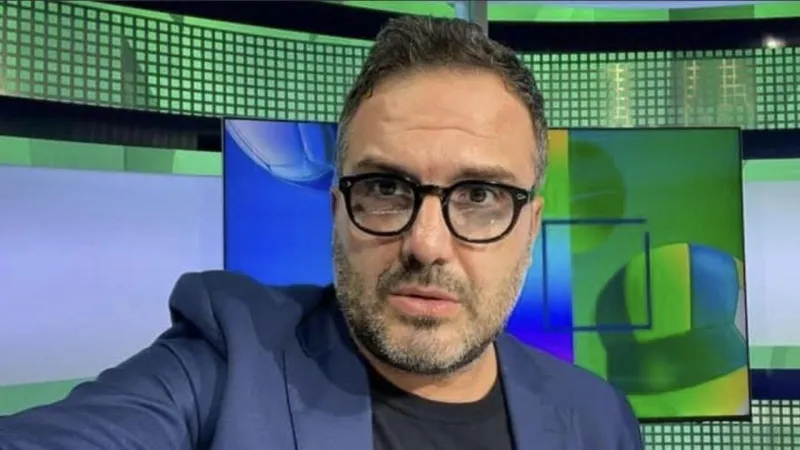
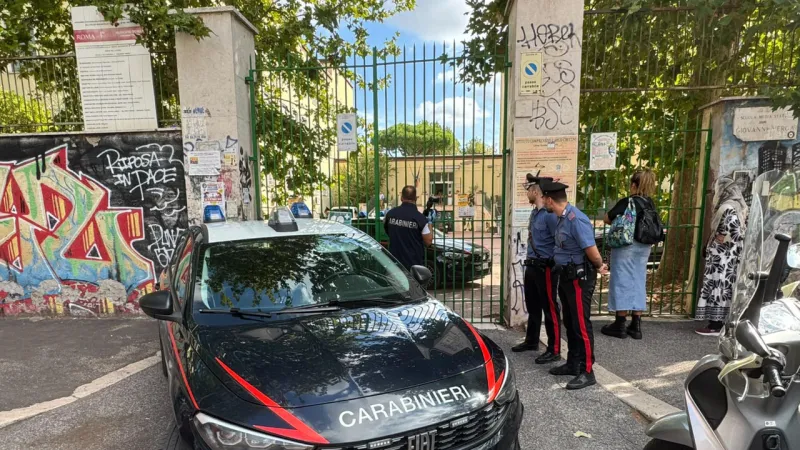
EBOLI, Italy - Authorities in Italy have apprehended and secured a confession from a 26-year-old homeless man in connection with the horrific killing of a journalist whose body was found carbonized in the southern Italian town of Eboli. The suspect was located hiding in an abandoned farmhouse following an intensive manhunt.
The swift capture marks a significant development in the disturbing case that has shocked the nation and drawn national attention. For further details on the initial investigation, see our report on Arrest Made in Horrific Eboli Journalist Killing.
The identity of the journalist has not been officially released by authorities, pending further investigation and notification of next of kin. Law enforcement officials identified the alleged perpetrator as a man without a fixed abode.
Sources close to the investigation indicate that the suspect provided a full confession to investigators after being brought in for questioning. While specifics of the confession remain under wraps, it is understood to shed crucial light on the circumstances leading to the journalist's untimely demise.
The discovery of the carbonized remains sent shockwaves through the local community earlier this week. The scene of the crime, described as particularly gruesome, prompted an immediate and extensive police inquiry.
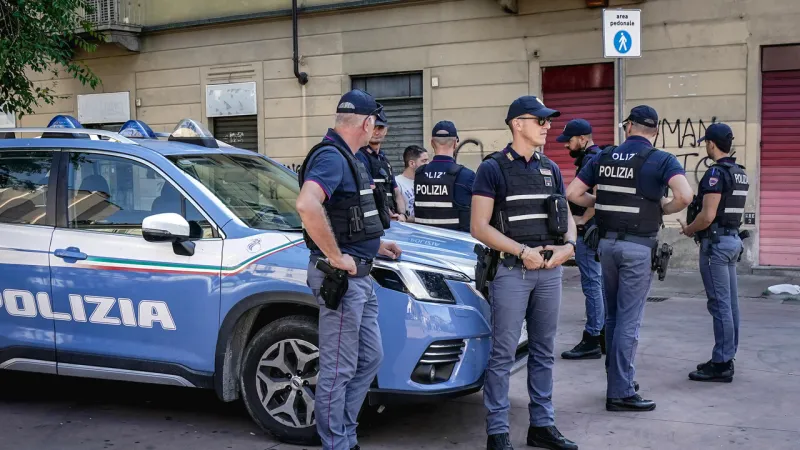
Police launched a comprehensive investigation, meticulously gathering forensic evidence and interviewing potential witnesses. The manhunt extended across the region, with resources allocated to locating the individual suspected of involvement.
The decisive breakthrough came when investigators tracked the suspect to an abandoned casolare, or farmhouse, where he had been attempting to evade capture. His apprehension was reportedly peaceful, without incident.
Authorities have not yet disclosed a motive for the brutal act. The investigation continues to piece together the events preceding the murder, examining all possible scenarios and relationships between the victim and the alleged killer.
The killing has resonated deeply within Italy's journalistic community, raising concerns about the safety of media professionals. Unions and press associations have issued statements condemning the violence and calling for a swift and thorough judicial process.
While specific details about the Eboli journalist killing remain under investigation, the incident has drawn comparisons to other high-profile cases involving violence against media members. Such events invariably underscore the risks inherent in reporting.
The alleged perpetrator now faces charges related to the murder and is expected to appear before a judge in the coming days. The legal proceedings will aim to establish the full truth and administer justice for the victim.
Investigators will now focus on corroborating the confession with physical evidence and witness testimonies. Forensic experts continue to analyze the scene and the remains to provide a comprehensive understanding of the crime.
Residents of Eboli expressed a mix of shock and relief at the news of an arrest. Many hope that justice will be served quickly and transparently, bringing some closure to the disturbing episode.
This tragic event, while isolated, highlights the ongoing commitment of law enforcement agencies to maintaining public safety and bringing perpetrators to justice.
The formal charges and subsequent legal process will unfold in the coming weeks and months, as the justice system works through the complex details of this grim case.