Chris Robert
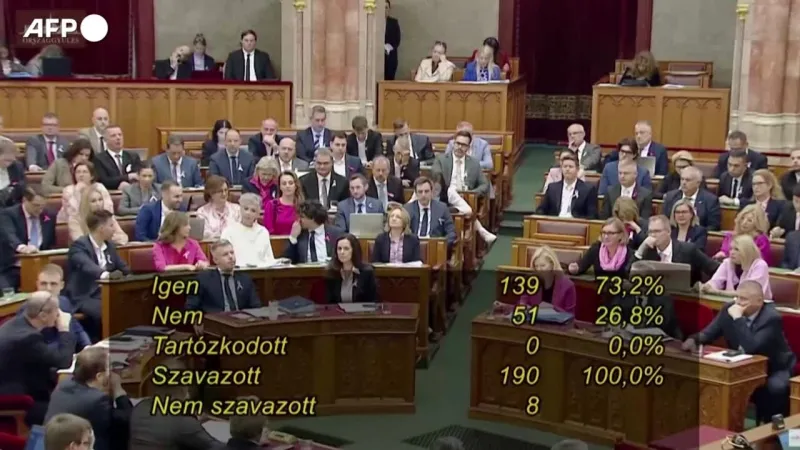
BUDAPEST – The Hungarian Parliament has taken a pivotal step, approving a legislative measure designed to eliminate anti-LGBTQ+ provisions previously instituted by the government of Prime Minister Viktor Orbán. The vote, which saw 139 lawmakers in favor and 51 against, signals a notable shift in the nation's stance on LGBTQ+ rights, a topic that has frequently drawn international condemnation.
This legislative reversal targets a series of amendments passed in recent years that critics argued severely curtailed the rights and representation of LGBTQ+ individuals in Hungary. These laws, often described as part of Orbán's conservative agenda, included restrictions on content depicting or promoting homosexuality or gender reassignment to minors, drawing parallels to Russia's so-called propaganda laws.
The original legislation, enacted amid significant debate, had been a cornerstone of Prime Minister Orbán's broader social policies, which emphasized traditional family values and national sovereignty. His administration consistently defended these measures as safeguarding children and parental rights, despite widespread protests from human rights organizations and European Union institutions.
International bodies, particularly the European Union, had repeatedly criticized Hungary over these laws, viewing them as a violation of fundamental EU values concerning equality and non-discrimination. The European Commission initiated infringement procedures against Hungary, citing concerns about human rights and the rule of law.
The approval of this new measure represents a potential strategic reorientation for Hungary, possibly aimed at easing tensions with Brussels and improving its standing within the European bloc. While the precise motivations remain subject to political analysis, the outcome undeniably offers a degree of respite for LGBTQ+ advocates within the country.
The parliamentary vote followed a period of intense deliberation, reflecting the deeply divided political landscape concerning social issues. The significant majority in favor suggests a coalescing of support, potentially from across party lines, for a more inclusive legislative framework or a pragmatic response to ongoing international pressure.
For LGBTQ+ communities in Hungary, this development brings a glimmer of hope. Activists have long decried the previous laws for fostering a climate of fear and discrimination, impacting everything from education to media representation. The repeal could pave the way for greater acceptance and protection under Hungarian law.
The international community, particularly human rights watchdogs and EU member states, will closely monitor the implementation of this new law and its practical effects. Observers will be keen to see if this signals a broader trajectory toward aligning Hungarys legal framework more closely with European human rights standards.
Domestically, the repeal is expected to elicit varied reactions. While opposition parties and civil society organizations are likely to welcome the move as a victory for human rights, conservative factions may express disappointment, viewing it as a concession to external pressure or a departure from national values.
This legislative action also places Hungary within a complex regional context where LGBTQ+ rights vary significantly across Central and Eastern Europe. While some countries have made strides, others continue to face challenges and debates over equality, making Hungarys latest move a notable point of discussion.
The long-term implications for Hungarys political future and its relationship with the European Union will unfold in the coming months. This vote, however, undeniably marks a significant chapter in the ongoing narrative of human rights and governance in the nation.
It remains to be seen how the Orbán administration will publicly frame this legislative shift, and whether it portends further adjustments in areas previously marked by contentious social policies.