 Edward DP Situmorang
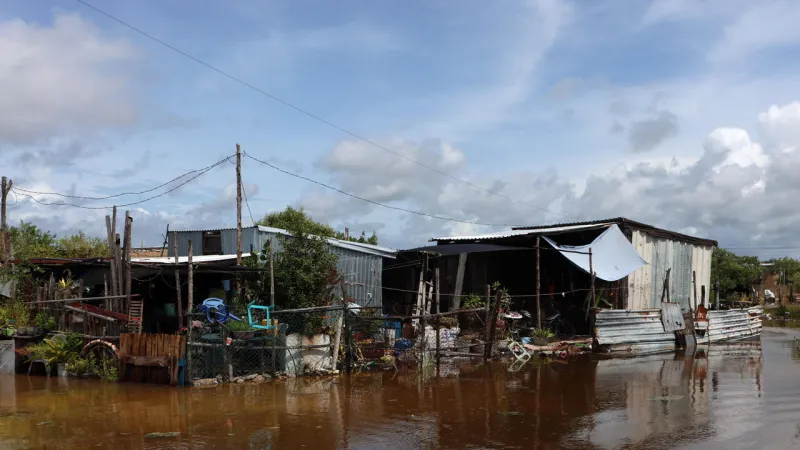
Florida absorbed the full force of Hurricane Isaias early this morning, as the formidable storm made landfall as a Category 2 hurricane. The powerful weather system brought destructive winds and torrential rain to the state's Atlantic coast, immediately plunging thousands of homes and businesses into darkness and initiating widespread emergency responses.
The National Hurricane Center confirmed Isaias made landfall near the state's southeastern coast with sustained winds of approximately 100 miles per hour. Coastal communities from Miami-Dade to Palm Beach counties bore the initial brunt of the storm, experiencing significant infrastructure damage and hazardous conditions.
Utility companies reported immediate and extensive power outages across multiple counties. By dawn, over 150,000 customers were without electricity, a number expected to climb as the storm tracks northward along the coastline. Emergency crews were poised to begin restoration efforts once conditions became safe.
State officials, including Governor Ron DeSantis, urged residents in affected areas to remain indoors and heed all evacuation orders issued prior to the storm's arrival. DeSantis emphasized the danger posed by fallen debris, downed power lines, and potential flash flooding in a pre-landfall press conference.
Preparations for Hurricane Isaias had been underway for days, involving the deployment of National Guard units, the opening of numerous shelters, and the distribution of sandbags. Coastal towns implemented curfews to ensure public safety and to deter looters amid the escalating conditions.
The storm's trajectory indicates a northward path, with warnings extended up the Southeast U.S. coast. Neighboring states bordering the Gulf of Mexico, already on high alert, are meticulously monitoring Isaias potential impact, particularly concerning storm surge and heavy rainfall. The concern extends to states like Georgia and the Carolinas, which anticipate significant tropical storm force winds and widespread precipitation.
Meteorologists from the National Weather Service highlighted the rapid intensification of Isaias just hours before landfall, catching some by surprise despite continuous monitoring. "The rapid change in intensity made preparations even more critical in the final hours," stated a lead forecaster, emphasizing the unpredictable nature of tropical cyclones.
The economic ramifications of Hurricane Isaias are expected to be substantial. Preliminary damage assessments will focus on residential properties, commercial establishments, and agricultural sectors. Insurance claims are anticipated to surge in the coming weeks as residents begin to survey the destruction.
Federal agencies, including the Federal Emergency Management Agency, have pre-positioned resources and personnel to assist state and local recovery efforts. President Donald Trump, keeping a close watch on the situation from the White House, affirmed the full support of the federal government for Florida's recovery. "We stand ready to provide whatever is necessary to help our fellow Americans recover from this powerful storm," President Trump stated earlier this week.
Local law enforcement agencies reported an increase in emergency calls related to structural damage, fallen trees, and minor traffic incidents during the peak of the storm. Despite the severity, no immediate fatalities or critical injuries were reported, largely attributed to proactive evacuation measures and public adherence to safety guidelines.
Residents in the hardest-hit zones now face the daunting task of assessing damages and initiating cleanup operations. The coming days will be critical for restoration of essential services and providing aid to those most affected by Hurricane Isaias.