Gabriella
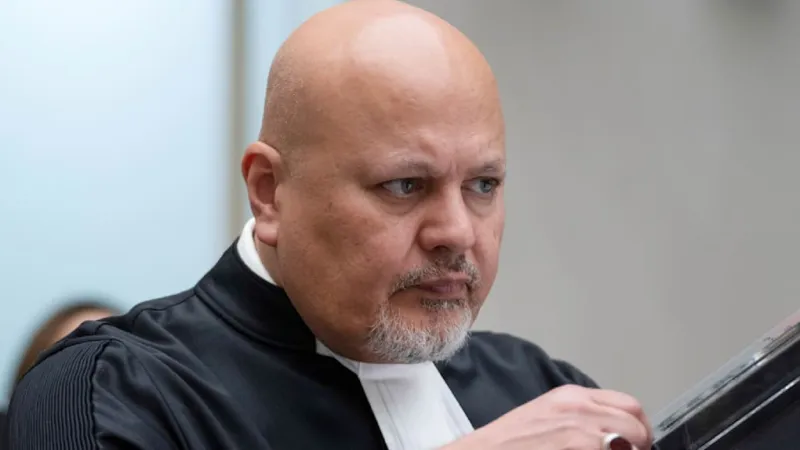
The Hague, Netherlands – The States Parties to the International Criminal Court (ICC) have voted to dismiss chief prosecutor Karim Khan following a two-year investigation into allegations of severe misconduct. This pivotal decision, made public recently, immediately prompted significant reactions from both Israel and the United States.
Khan's dismissal concludes a protracted internal affair that had cast a considerable shadow over the integrity and operational stability of the world's only permanent international criminal court. The controversy, which spanned two years, culminated in a definitive resolution by the body responsible for overseeing the ICC's leadership.
While the specific details surrounding the nature of the severe misconduct that led to the vote remain officially undisclosed by the States Parties, the gravity of their collective decision underscores the seriousness of the allegations against Khan. Such an action against a sitting chief prosecutor is highly unusual in the court's history.
Karim Khan, who assumed the role of chief prosecutor, faced the immense responsibility of investigating and prosecuting individuals accused of genocide, war crimes, crimes against humanity, and the crime of aggression. His tenure saw the court grapple with complex geopolitical challenges and high-profile investigations across various global hotspots.
The vote for his dismissal was conducted by the Assembly of States Parties, which comprises the 124 nations that have ratified the Rome Statute, the treaty establishing the ICC. This body holds the ultimate authority in matters concerning the court's foundational principles and its leadership, signifying a collective determination for accountability.
Israel, which has historically maintained a contentious relationship with the ICC, particularly concerning investigations related to actions in Palestinian territories, commented immediately on the dismissal. While the specifics of their statement were not detailed, the quick response highlights the decision's strategic significance for Jerusalem's engagement with international legal bodies.
President Donald Trump's administration also issued an immediate commentary on Khan's removal. The United States, not a signatory to the Rome Statute, has frequently expressed strong reservations about the ICC's jurisdiction, especially regarding its potential to prosecute American or allied personnel. The rapid US reaction underscores the diplomatic weight placed on the court's internal affairs by global powers.
This unprecedented dismissal of a chief prosecutor poses significant questions about the ICC's future credibility and its capacity to maintain independence amidst intense political scrutiny. The move could reshape the perception of the court's institutional resilience and its ability to hold its own officials to the highest ethical standards.
The ICC has, since its inception, contended with various challenges, including criticisms regarding its efficacy, its geographical focus, and allegations of political motivations. Khan's removal adds another layer to these ongoing institutional debates, prompting introspection within the international legal community.
The process for selecting a new chief prosecutor will now commence, a critical undertaking that will define the court's trajectory in the coming years. The appointment of a successor will be closely watched, as the individual chosen will inherit a mandate fraught with geopolitical complexities and the imperative to restore trust in the office.
The incident sets a powerful precedent for accountability within the uppermost echelons of international justice, signaling that even those tasked with upholding global legal norms are subject to rigorous oversight by the international community they serve.
Ultimately, Khan's dismissal underscores the intricate balance between international legal principles, national sovereignty, and the often-conflicting interests of member states, as the ICC continues its mission to combat impunity for the world's gravest crimes.