 Dodi Irawan
TEHRAN - Iran has firmly rejected recent proposals from the United States, declaring the critical Strait of Hormuz will remain inaccessible unless its demands are fully satisfied. This resolute stance, articulated by a high-ranking official, signals a recalibration of diplomatic engagement and a readiness for prolonged confrontation, marking a definitive end to what it perceives as an era of unilateral US influence.
Mohammad Bagher Ghalibaf, a prominent figure within the Iranian leadership, asserted, "Iran will fight and negotiate. The era of wasting time with unilateral demands is over." His unequivocal statement underscores Tehran's determination to engage with the international community on its own terms, particularly concerning the strategic waterway.
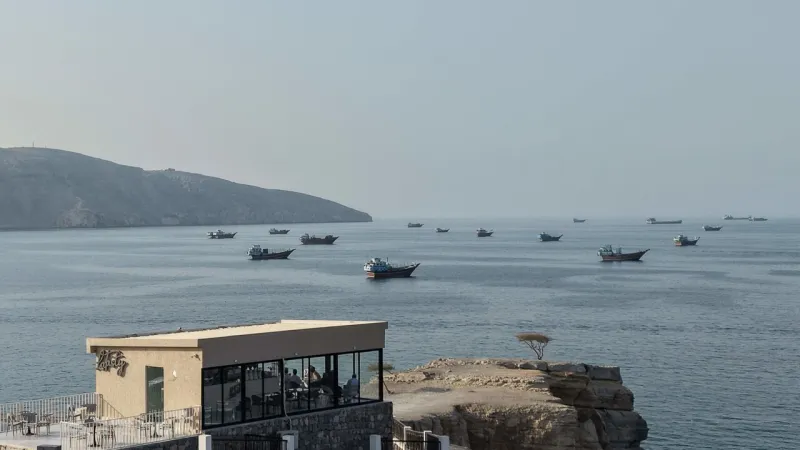
The Strait of Hormuz, a narrow passage connecting the Persian Gulf with the Arabian Sea, is globally recognized as an indispensable maritime chokepoint. An estimated one-fifth of the world's total petroleum consumption, including nearly all oil exports from Saudi Arabia, Iran, Iraq, Kuwait, Qatar, and the United Arab Emirates, transits through this vital artery.
Iran's threat to restrict or close the strait carries profound implications for global energy markets and international trade. Any disruption could precipitate a surge in oil prices, destabilize economies worldwide, and ignite a broader geopolitical crisis in an already volatile region.
President Donald Trump's administration has, in recent years, intensified diplomatic efforts while maintaining a robust military presence in the Middle East. The proposals referenced by Iran remain undisclosed, but they are presumed to address various points of contention, including nuclear ambitions, regional influence, and economic sanctions.
Tehran's insistence on its demands being met before any concessions on the Strait of Hormuz signals a complex and challenging negotiation landscape. For Iran, control or leverage over the strait represents a significant bargaining chip in its interactions with Western powers.
Historically, tensions surrounding the Strait of Hormuz have flared during periods of heightened geopolitical friction. Previous incidents involving naval confrontations, mining allegations, and tanker attacks have consistently underscored the fragility of peace and security in the waterway.
This latest declaration from Tehran suggests a deepening resolve to extract meaningful concessions rather than merely engaging in prolonged discussions without tangible outcomes. It highlights a strategic shift where Iran aims to project strength and resist perceived external pressures.
The international community will undoubtedly monitor this situation with acute concern. The potential for miscalculation or unintended escalation in such a crucial strategic zone remains a significant worry for global stability. Maritime security, a collective interest, hangs precariously in the balance.
As the world watches, the ball appears to be in the United States' court, as Tehran awaits proposals that sufficiently address its stated requirements. The prospect of an open Strait of Hormuz now hinges directly on the resolution of Iran's deeply held demands, establishing a firm prerequisite for any future de-escalation.