Gabriella
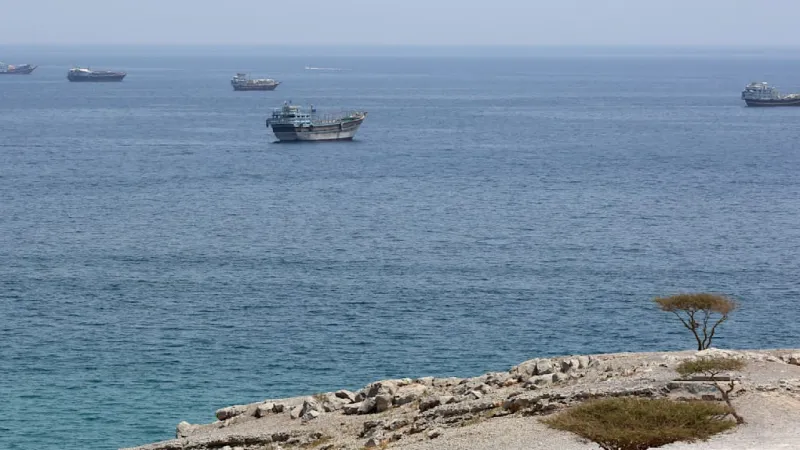
TEHRAN – Iran abruptly announced on Saturday the renewed closure of the strategic Strait of Hormuz, a critical global oil transit chokepoint, prompting an immediate and stern warning from President Donald Trump, who vowed to impose a prohibitive toll if a comprehensive agreement is not reached. This move marks a significant setback in ongoing international efforts to de-escalate tensions and secure stability in the volatile Persian Gulf region.
The declaration from Tehran, delivered without prior explicit warning, effectively halts commercial shipping through one of the world's most crucial maritime passages. Approximately one-fifth of global oil supply, alongside liquefied natural gas, passes daily through the narrow waterway connecting the Persian Gulf to the open ocean.
Irani officials attributed the closure to a recurring "setback in peace efforts" surrounding the Islamic Republic. This phrasing suggests a frustration with diplomatic progress, or a lack thereof, concerning broader geopolitical and nuclear agreements that have been central to regional discussions for years. The specific nature of these stalled negotiations remains officially undisclosed, though observers point to longstanding points of contention with Western powers.
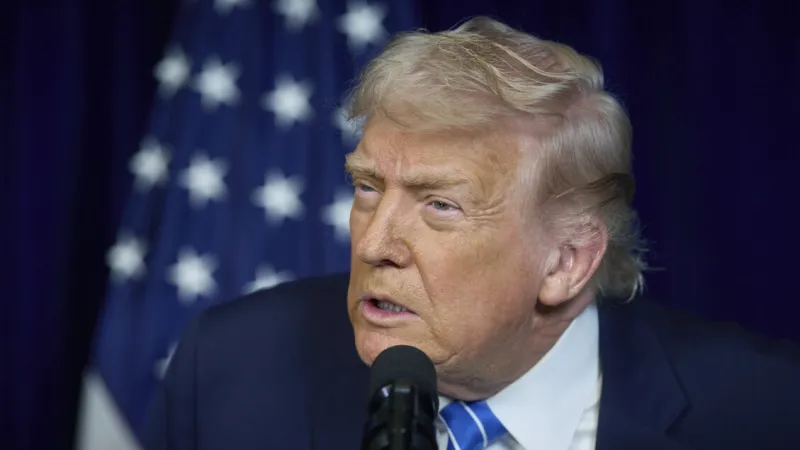
President Donald Trump responded with characteristic directness, issuing a stark ultimatum from Washington. "If Iran insists on these provocative actions and fails to finalize an agreement that ensures regional stability, we will impose a substantial toll on any vessel seeking passage through the Strait," President Trump declared. He emphasized that such a tariff would be designed to economically penalize Tehran for its obstruction of international commerce.
This is not the first instance Iran has brandished the threat of closing the Strait of Hormuz, a tactic historically employed as a leverage point in periods of heightened tension. Past warnings, often in response to sanctions or military maneuvers, underscore the strategic importance Tehran places on its ability to control access to this vital maritime artery. Similar threats were made following Israeli ceasefire orders.
The immediate global ramifications of such a closure are profound. Energy markets are already bracing for potential volatility, with crude oil futures experiencing upward pressure as traders react to the uncertainty. Shipping companies are reassessing routes and insurance premiums, anticipating significant disruptions to supply chains stretching from Asia to Europe and the Americas.
Diplomatic sources indicate that the unexpected closure came amidst a period where President Trump's envoys had been engaged in delicate, high-stakes negotiations aimed at reducing regional friction. Such discussions, sometimes held in neutral locations like Switzerland, are often designed to find common ground on issues ranging from nuclear proliferation to maritime security. The current action by Iran risks undermining these painstaking efforts, as highlighted by previous reports of Trump envoys converging in Switzerland for critical Iran diplomacy.
The proposed toll by President Trump represents an aggressive countermeasure, signaling the United States' unwillingness to tolerate unfettered disruption of international shipping. Economists caution that a tariff on Hormuz passage could inflate global shipping costs, ultimately affecting consumer prices worldwide and potentially slowing economic growth.
Naval forces from several nations, including the United States Fifth Fleet, maintain a significant presence in the Persian Gulf to safeguard international shipping. Any sustained closure or attempts to enforce a unilateral toll by Iran could lead to an escalation of military posturing in the region, raising fears of direct confrontation.
Analysts suggest Iran's move may be a calculated gamble designed to force concessions at the negotiating table, or perhaps a demonstration of resolve in response to perceived external pressures. It positions the Islamic Republic as a pivotal player capable of significantly impacting global economic stability.
The international community is now closely watching how this standoff will evolve. Calls for de-escalation and a return to diplomatic channels are expected to intensify from various world capitals, underscoring the universal desire to avoid a wider conflict in a region already grappling with multiple flashpoints.
The coming days will be critical in determining whether this latest action by Iran serves as a temporary pressure tactic or precipitates a more enduring crisis in the Strait of Hormuz, challenging global energy security and maritime freedom. The world awaits further statements from both Tehran and Washington regarding potential next steps.