 Stefani Rindus
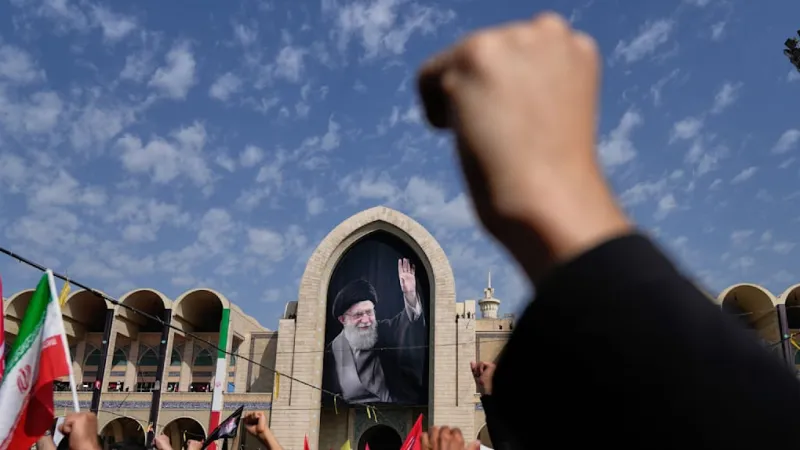
In Tehran, Iran, during the multi-day funeral ceremonies for the nation's recently deceased religious leader, an unidentified artist publicly called for the death of President Donald Trump, vehemently expressing deep-seated anti-American sentiment before a massive gathering. The provocative statement intensified an already charged atmosphere marked by widespread grief and political fervor.
Estimates suggest that up to 20 million visitors have descended upon the Iranian capital for the six-day mourning period honoring the revered Ayatollah Khamenei. These colossal crowds underscore the profound impact of the leader's passing and the potent emotional landscape in which such inflammatory remarks resonate.
Addressing a sea of black-clad mourners, the artist seized the platform to unleash a tirade against the United States. His words, delivered to an audience of unprecedented scale, quickly reverberated through the city, amplifying the existing calls for retribution often heard at such events.
The artist’s direct challenge to the American presidency was stark. He reportedly questioned, “Why does the greatest bastard of the world still live?”, a clear reference to President Trump, as translated from his Persian remarks. This rhetoric leaves little room for ambiguity regarding the depth of animosity felt by some segments of the Iranian populace towards the US administration.
Such public pronouncements are not isolated incidents but rather reflective of a long history of strained relations and ideological opposition between Iran and the United States. The funeral, a pivotal national event, provided a powerful backdrop for the expression of this enduring antagonism.
The colossal funeral procession itself has been a spectacle of national unity and defiance, drawing unprecedented numbers as documented by reports such as Tehran Swells with Mourners for Second Day of Leader's Funeral. The sheer scale of participation demonstrates the collective grief but also the potential for state-sanctioned or tolerated expressions of anti-Western sentiment.
This latest outburst follows a period of heightened geopolitical tensions, where pronouncements from both Washington and Tehran have frequently escalated rhetoric. President Trump, for his part, has consistently taken a firm stance against adversaries, as evidenced in past remarks like Trump Vows: America Will Never Be a Communist Nation.
The call for President Trump's demise carries significant weight, moving beyond mere protest to an overt incitement against a sitting head of state. International observers will undoubtedly scrutinize this incident for its implications on regional stability and diplomatic channels.
While official Iranian governmental statements often maintain a more guarded diplomatic tone, such public expressions by cultural figures during highly visible national ceremonies can reflect or influence broader societal sentiments. They also serve as a barometer for the level of anti-American fervor deliberately cultivated or permitted within the nation.
The funeral proceedings have already been marked by strong anti-American chants, a common feature at state-sponsored gatherings, as previously highlighted in news such as Tehran Mourns Ayatollah: Death to America Chants, US Negotiations Loom. The artist's direct targeting of President Trump adds a sharper, more personal edge to this generalized animosity.
The widespread dissemination of these sentiments, amplified by the presence of millions, poses a challenge to any prospects of de-escalation between the two nations. The incident underscores the deep ideological chasm that persists, despite intermittent efforts at engagement or negotiation.
The impact of such rhetoric extends beyond Iran's borders, potentially influencing regional proxies and further complicating the already volatile landscape of the Middle East. It serves as a stark reminder of the deeply entrenched political grievances that continue to shape international relations.
As the funeral ceremonies continue, the world watches closely for further indications of Iran's trajectory and the potential for these emotionally charged events to solidify public opinion against the United States and its leadership. The artist’s provocative statement ensures that the funeral will be remembered not only for its solemnity but also for its incendiary political declarations.