 Debby Wijaya
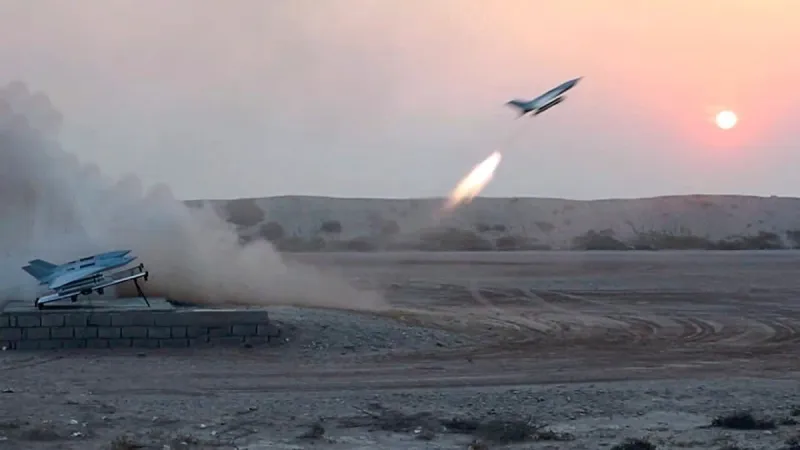
Middle East -- Tehran has launched rockets at American troops stationed in the Middle East, marking the first such offensive since the provisional halt of US military operations against targets in Iran. This aggressive move by Iran has reignited fears of a broader regional conflict.
The strike specifically targeted American military personnel, though the immediate extent of damage or casualties remains undisclosed. The incident signals a significant escalation in tensions between Iran and the United States, drawing urgent attention from global observers.
The timing of the rocket launch, occurring after a period of relative calm following US strikes, is particularly notable. It suggests a deliberate calculation by Iranian leadership, potentially aimed at asserting influence or testing the resolve of international forces.
Hans-Jakob Schindler, an expert on extremism, offered a critical assessment of the situation. Schindler stated, "The Revolutionary Guards are trying to get the maximum out of it," indicating a strategic intent behind the recent actions.
Schindler's analysis points to the enduring power of hardline factions within the Revolutionary Guard. These elements consistently seek to leverage regional tensions to bolster their internal standing and project strength on the international stage.
This latest provocation challenges the delicate balance of power in the Middle East, a region already fraught with geopolitical complexities. The actions of the Revolutionary Guard hardliners threaten to destabilize ongoing efforts to maintain peace and security.
President Donald Trump's administration has consistently adopted a firm stance against Iranian aggression and its proxy forces in the region. Observers anticipate a robust response from Washington, though details remain speculative.
The incident aligns with a pattern of past confrontations. Reports have previously detailed how Iran Rockets Target US in Middle East; All Intercepted, underscoring the persistent threat posed by Tehran's military capabilities.
Such actions by the Revolutionary Guard are often interpreted as attempts to project power and influence, both domestically and internationally. They serve as a message to regional adversaries and as a means of solidifying the hardliners' position within Iran's intricate political landscape.
The implications of these rocket attacks extend beyond immediate military concerns, potentially affecting global oil markets and critical shipping lanes, such as those through the Strait of Hormuz. Escalations in this vital waterway have historically led to significant economic repercussions.
The international community has repeatedly expressed alarm over Iran's ballistic missile program and its support for various proxy groups across the Middle East. These activities fuel instability and undermine diplomatic solutions.
Any diplomatic efforts aimed at de-escalating tensions or fostering dialogue face significant hurdles in the wake of such direct military confrontations. Trust building becomes increasingly difficult amid ongoing hostilities.
The internal political dynamics within Iran also play a crucial role. Hardline elements often benefit from external conflicts, using perceived threats to rally support and marginalize reformist voices.
Ultimately, the recent rocket attacks by Iranian hardliners underscore the volatile nature of the Middle East. The persistent challenge posed by these factions continues to obstruct any clear path towards lasting regional peace and stability.