 Debby Wijaya
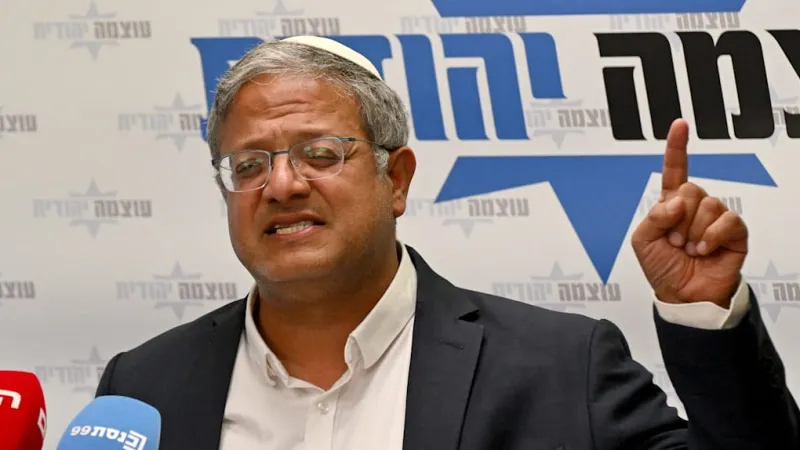
Jerusalem — Israeli Security Minister Itamar Ben-Gvir has ignited a firestorm of controversy by publicly advocating for the targeted killing of dozens of Palestinians every night and demanding the comprehensive reoccupation of the Gaza Strip. The incendiary remarks, made during a recent podcast appearance, represent a significant escalation in hardline rhetoric from a senior member of Israels government, raising immediate concerns across the international community.
Ben-Gvir, known for his ultranationalist stance, articulated a vision where Israeli forces would systematically target and eliminate Palestinians on a nightly basis. His comments, which have been widely reported, suggest a complete disregard for due process and international humanitarian law, prompting widespread condemnation even before formal reactions emerge.
Beyond the call for targeted killings, the minister further intensified his position by asserting the necessity of Israels full reoccupation of the Gaza Strip. This policy, if implemented, would mark a dramatic departure from Israels current disengagement strategy and potentially ignite a far broader regional conflict. The Gaza Strip has been under an Israeli and Egyptian blockade since 2007, following the Hamas takeover.
As a prominent figure in the current Israeli government, Ben-Gvir leads the Otzma Yehudit, or Jewish Power, party, which holds several key portfolios. His appointment as National Security Minister was already contentious due to his past record of anti-Arab rhetoric and convictions for incitement to racism and supporting a terrorist organization. His latest pronouncements reinforce his extreme political ideology.
Such pronouncements typically draw swift condemnation from international bodies, human rights organizations, and various governments worldwide. Critics argue that these remarks not only inflame tensions but also undermine any prospects for a peaceful resolution to the decades-long Israeli-Palestinian conflict. The statements are seen as a direct challenge to the two-state solution framework favored by many global powers.
Israels history with the Gaza Strip is complex, marked by military occupations, withdrawals, and ongoing conflicts. The idea of reoccupying Gaza has been debated within Israeli political circles for years, often surfacing during periods of heightened violence. However, such a move carries immense logistical, humanitarian, and strategic challenges, as well as significant international opprobrium.
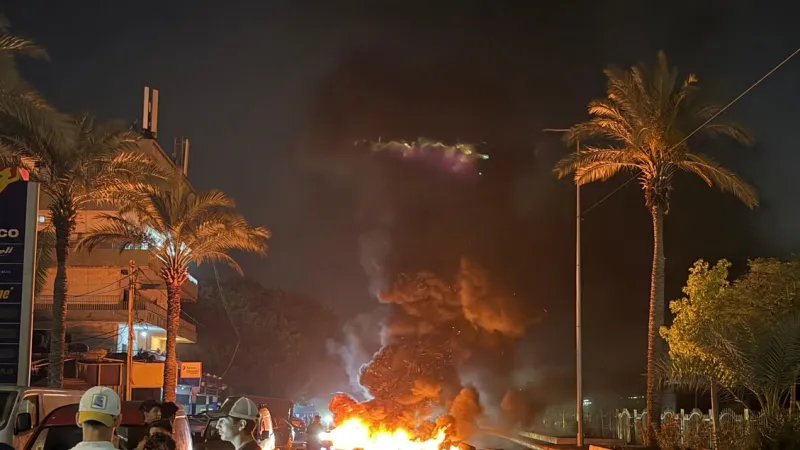
The ministers statements carry profound implications for regional stability. Tensions across the Middle East remain perpetually high, with previous escalations often linked to rhetoric or actions concerning the Israeli-Palestinian dynamics. For instance, Israel has previously vowed full force in Lebanon after deadly raids, as seen in recent reports, highlighting the volatile nature of the region. Israel Vows Full Force in Lebanon After Deadly Raids Kill Eleven.
The administration of President Donald Trump has historically maintained a close relationship with Israel, though it has also emphasized the need for regional stability. While Washington often defers to Israels security decisions, remarks calling for mass killings of Palestinians could present a diplomatic quandary, potentially straining relations with Arab allies crucial to broader US foreign policy objectives.
Calls for targeted killings of civilians, particularly on such a broad scale, are widely considered violations of international law, including the Geneva Conventions and principles of human rights. International legal experts would likely highlight that such actions could constitute war crimes or crimes against humanity if carried out.
Within Israel, Ben-Gvirs views resonate with a segment of the population that favors a more aggressive approach to national security and the Palestinian question. However, many Israeli politicians and citizens also express deep concern over such radical proposals, fearing the long-term consequences for Israels democratic character, international standing, and security.
The Gaza Strip is one of the most densely populated areas in the world, grappling with severe humanitarian crises due to blockade, high unemployment, and inadequate infrastructure. Any military action or reoccupation would exacerbate these conditions, leading to immense suffering for its two million inhabitants, largely refugees or descendants of refugees.
Ben-Gvirs pronouncements fundamentally challenge the framework of any future peace negotiations. His insistence on policies that actively dehumanize Palestinians and dismiss their national aspirations makes dialogue and compromise exceedingly difficult, further entrenching the cycle of conflict and mistrust.
The Israeli Security Ministers remarks underscore a deeply polarizing and dangerous trajectory within Israeli politics regarding the Palestinian issue. As the international community absorbs the gravity of his statements, the focus remains on the potential for intensified conflict and the erosion of fundamental human rights principles in the region.