 Robert Andrison
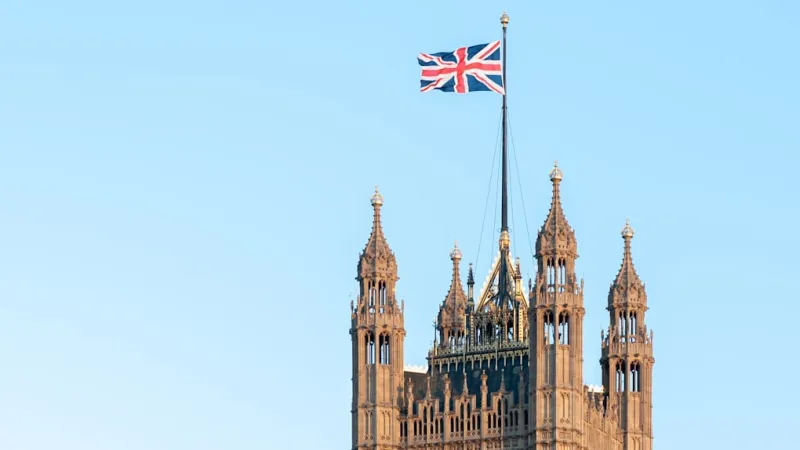
LONDON - A profound, yet often unacknowledged, erosion of freedom of speech is increasingly prevalent across the United Kingdom. This concerning trend manifests as a palpable quietness in public discourse, particularly concerning the sensitive topic of migration, impacting diverse societal spheres from bustling newsrooms to academic institutions and even casual conversations in local pubs.
Unlike overt legislative crackdowns, this suppression operates subtly, fostering an environment where individuals voluntarily temper their expressions to avoid potential backlash or ostracization. The phenomenon represents a significant shift from the nation's historical reputation for robust and uninhibited public debate.
Journalists within national media outlets report a growing reluctance to engage with certain aspects of migration stories, fearful of misinterpretation or professional repercussions. Similarly, university campuses, traditionally bastions of open inquiry, now experience a cautious approach among academics and students when discussing these complex issues.
The chilling effect extends beyond professional circles, infiltrating everyday social interactions. Anecdotal evidence suggests that Britons are becoming increasingly guarded in informal settings, such as pubs or social gatherings, opting for silence rather than risking controversy on topics perceived as contentious.
The specific emphasis on migration as a particularly sensitive subject highlights the polarized nature of the debate. Discussions surrounding immigration policy, demographic shifts, or cultural integration are frequently met with trepidation, leading to an absence of candid exchange necessary for informed public opinion.
This quiet capitulation carries significant implications for the health of British democracy. A society where citizens and institutions self-censor on critical matters risks stagnating public discourse, impeding the free exchange of ideas vital for problem-solving and progressive policy-making.
While no specific experts are quoted from the original source, the described trend suggests a systemic issue that warrants deeper sociological and political analysis. The inability to openly discuss societal challenges, especially those as impactful as migration, can lead to resentment festering beneath the surface.
Britain has long prided itself on upholding freedom of expression as a cornerstone of its liberal democratic values. This current wave of self-imposed silence suggests a departure from that tradition, raising questions about the underlying pressures that compel individuals to withhold their views.
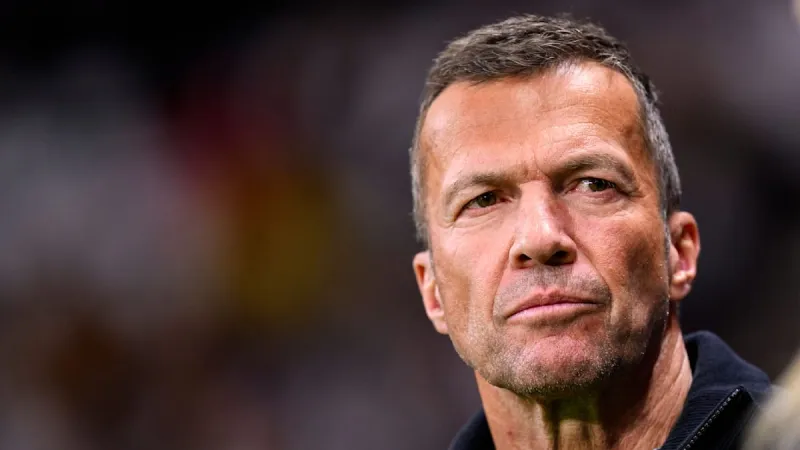
The phenomenon echoes similar concerns voiced elsewhere regarding the stifling of dissenting voices. For instance, in Germany, a German moderator recently voiced fears for his life, alleging legal strategies aimed at silencing him, albeit in a different context. These instances collectively point to a broader anxiety about open dialogue.
Observers suggest that addressing this silent erosion requires a concerted effort to reinforce principles of open debate and intellectual courage. Without active encouragement for diverse viewpoints, the current trajectory could irrevocably alter the landscape of British public opinion.
The long-term effects of such a constrained environment are difficult to quantify but could include a populace less equipped to critically evaluate complex issues, and policymakers operating without the full spectrum of public sentiment.
The very nature of this silent suppression makes it insidious; it lacks the overt confrontation of censorship yet achieves a similar result: a narrowing of acceptable opinion. This quiet acquiescence prevents meaningful counter-arguments and stifles innovation in thinking.