 Demian Sahputra
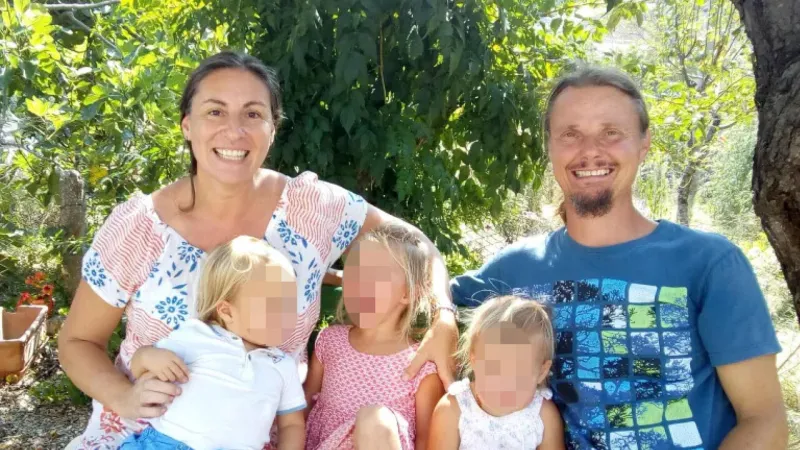
A court in Palmoli, Italy, has formally greenlit a phased approach for the reunification of three young children with their family, who gained notoriety as the "forest children" after living in isolation. The tribunal underscored a “progressive path” for the minors’ return, aiming to ensure their well-being throughout the sensitive transition.
This judicial determination follows extensive legal proceedings that have captivated public attention across Italy, centering on the delicate balance between parental rights and child welfare. The decision outlines a structured process, suggesting that the full reintegration will occur in stages rather than immediately.
However, the ruling has not quelled all debate, particularly from political figures. Senator Simone Pillon, a prominent advocate for traditional family values, immediately voiced his dissent, calling for swifter action. Pillon asserted that the children, removed from their parents in a widely reported incident, should be allowed “immediate daytime returns to Palmoli.”
Senator Pillon's stance highlights the ongoing tension surrounding state intervention in family matters, particularly in cases involving unconventional lifestyles. His advocacy reflects a segment of public opinion that champions the quick restoration of parental bonds.
The case of the Palmoli forest children originated from their unusual upbringing in a secluded, self-sufficient environment. Authorities intervened several years ago, citing concerns over the children's health, education, and social development, leading to their separation from their parents.
This recent court order builds upon previous directives regarding the family. Earlier rulings had already established the principle of a gradual reunification, as detailed in reports like Court Orders Gradual Reunification for Italy's Notorious Forest Family, providing a framework for the children's eventual return.
Legal experts suggest that the court's emphasis on a “progressive path” aims to mitigate potential trauma for the children, who have been navigating a complex array of environments and relationships since their initial removal. The phased approach allows for psychological support and adaptation.
Child welfare services will likely play a crucial role in monitoring each stage of the reunification process, ensuring that the children's needs are met and that the family environment is conducive to their healthy development. This oversight is standard practice in high-profile cases involving minors.
The long-term implications of this case extend beyond the immediate family, sparking broader discussions within Italy about alternative education, parental autonomy, and the boundaries of state authority in protecting children. It challenges societal norms and legal interpretations of adequate parenting.
The judicial system's careful deliberation reflects the complexities inherent in these situations, where the ideal outcome for children is often a nuanced path that avoids abrupt changes. The progressive return for the Palmoli forest children remains a significant benchmark in Italian family law.
As the process unfolds, both legal observers and the public will closely watch how the incremental steps of reunification are implemented and how the various parties involved navigate the emotional and practical challenges of bringing the family back together, even if in stages.
This highly publicized case underscores the continuing societal debate regarding child protection policies and the definition of a suitable upbringing, making the court's latest affirmation a crucial development for the Palmoli family and Italy as a whole.