 Robert Andrison
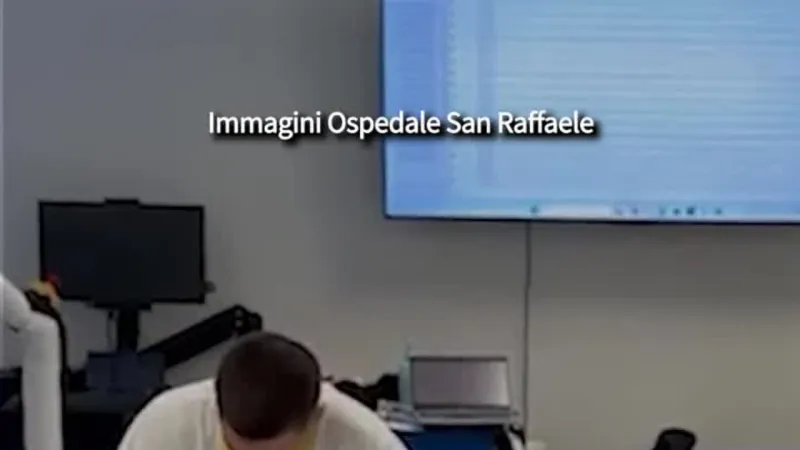
Italy has witnessed a profound medical triumph as four young individuals, previously rendered immobile by severe spinal cord injuries, have successfully regained the ability to walk. This remarkable achievement stems from an innovative Italian-developed neurostimulation technique, which allows patients to activate an implanted device through subtle, conscious movements of their torso, thereby bypassing damaged neural pathways and restoring motor function. The groundbreaking method offers unprecedented hope for those living with paralysis.
The core of this transformative intervention lies in a sophisticated neurostimulator, surgically implanted along the spinal cord. Unlike previous technologies that might rely on external controls or complex mapping, this advanced system is designed to respond intuitively to the bodys own residual signals. Patients learn to make specific, small movements, primarily involving their core muscles, which the device interprets as commands to initiate walking sequences.
For the four beneficiaries of this pioneering treatment, the reacquisition of voluntary locomotion marks a monumental shift in their daily lives. Reports indicate that these young people, who had faced years of dependency and physical limitation following their injuries, are now taking steps, navigating environments, and experiencing a renewed sense of autonomy. Their progress underscores the significant potential of this therapeutic approach.
The development of this technique in Italy positions the nation at the forefront of neurological rehabilitation research. Italian scientists and medical professionals have cultivated a specialized environment conducive to such high-impact innovations, blending cutting-edge engineering with deep understanding of human physiology. This local genesis enhances the prestige of the country's biomedical sector.
Spinal cord injuries have historically presented one of medicine's most formidable challenges, often resulting in permanent paralysis below the point of injury. The disruption of neural signals between the brain and the lower body leaves patients with severely diminished motor control and sensation. Traditional rehabilitation focuses on compensatory strategies and assistive devices, rather than restoring original function.
The neurostimulator works by delivering precisely timed electrical impulses to the spinal cord below the site of injury. These impulses essentially mimic the signals that the brain would normally send to activate leg muscles. By coupling these impulses with the patients voluntary torso movements, the system creates a functional link, effectively re-establishing a degree of communication and control over the lower limbs.
This breakthrough carries substantial clinical implications, suggesting a new paradigm for treating a condition once considered irreversible. The ability of patients to initiate movement through their own conscious effort, however subtle, represents a qualitative leap from purely externally controlled walking aids. It fosters greater engagement and potentially more natural gait patterns.
Researchers anticipate expanding clinical trials to evaluate the techniques efficacy across a broader spectrum of spinal cord injury severities and patient demographics. Further studies will also aim to optimize the neurostimulator settings, enhance the intuitiveness of the control interface, and investigate the long-term outcomes, including potential for muscle strengthening and improved cardiovascular health.
The selection of suitable candidates for this intricate procedure involves rigorous assessment. Patients must possess a certain level of residual motor function or sensation, or at least the capacity to learn and execute the specific torso movements required to operate the device. Comprehensive psychological and physical evaluations precede any surgical intervention.
If proven safe and effective across larger cohorts, this neurostimulation therapy could eventually become a standard treatment option, dramatically improving the quality of life for countless individuals worldwide. The prospect of restoring even partial walking ability offers profound psychological benefits alongside the physical ones.
However, the path to widespread adoption will involve addressing challenges related to accessibility, cost, and the specialized surgical and rehabilitation infrastructure required. Ensuring that this advanced technology can reach those who need it most, regardless of their socioeconomic status or geographic location, remains a critical objective for the medical community and policymakers.
Medical experts and neuroscientists globally are closely monitoring these developments, acknowledging the transformative potential of such Italian-led innovation. The focus remains on rigorous scientific validation and ethical considerations as the technology progresses from promising early results to broader clinical application. This scientific endeavor highlights the continuous quest for restorative treatments in neurorehabilitation.