 Stefani Rindus

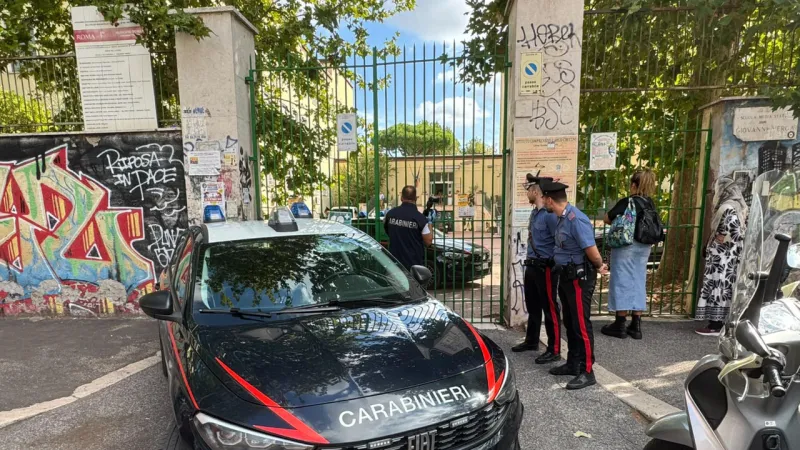
Rome – Italian authorities have made two significant arrests in the capital, apprehending individuals, including a former intelligence officer and a serving military official, on suspicion of selling classified state information to Russia. The operation also revealed that four Carabinieri military police officers are under investigation in connection with the alleged espionage ring, sending shockwaves through Italy's national security establishment.
The arrests underscore a grave breach of trust and a serious threat to national security, prompting an immediate and forceful response from the Italian government. Defense Minister Guido Crosetto minced no words regarding the gravity of the situation, stating unequivocally, "Zero tolerance for traitors."
Sources close to the investigation indicate that the two primary suspects were allegedly engaged in a sophisticated scheme to funnel sensitive intelligence to Moscow. This information reportedly included state secrets and other critical defense intelligence, potentially compromising Italy's strategic interests and its alliances.
The involvement of four Carabinieri officers in the ongoing investigation suggests a potentially broader network or a deeper infiltration than initially perceived. While details remain scarce, the implication of active-duty personnel highlights the insidious nature of foreign intelligence operations aiming to exploit vulnerabilities within key security institutions.
Investigators have been meticulously piecing together evidence related to the clandestine activities, which are believed to have involved various methods of communication and information transfer. The long-term impact of such a betrayal could be far-reaching, affecting Italy's standing within NATO and the European Union.
This high-profile case resonates with broader concerns across Europe regarding Russian intelligence activities. Several European nations have reported increased attempts at espionage and disinformation campaigns, particularly since the geopolitical landscape shifted dramatically in recent years. For additional context on similar developments, see: Rome Arrests Former Intelligence Official, Military in Russian Spy Scandal.
The arrests serve as a stark reminder of the persistent threats posed by foreign state actors seeking to undermine sovereign nations through clandestine means. Italy, a crucial member of Western alliances, represents an appealing target for intelligence gathering, given its strategic location and political influence.
The judicial process now commences, with the accused facing severe charges related to espionage against the state. Convictions for such offenses typically carry substantial prison sentences, reflecting the profound damage caused to national security and public trust.
Political commentators and security analysts in Italy have emphasized the need for a thorough and transparent investigation to ascertain the full extent of the alleged network. Calls for enhanced counter-intelligence measures and internal security protocols within all state bodies are expected to intensify.
Minister Crosetto's strong condemnation reflects the collective indignation within the Italian government, underscoring a commitment to preserving the integrity of national institutions. The defense minister's resolve suggests a firm stance against any individuals found to be compromising national interests for external powers.
The incident also places a renewed focus on the internal vetting and monitoring processes within Italy's intelligence and military apparatus. Ensuring loyalty and vigilance among those entrusted with the nation's most sensitive information is paramount.
Moreover, this development could influence diplomatic relations between Italy and Russia. While official statements have yet to emerge from Moscow, such accusations of espionage typically lead to diplomatic tensions and reciprocal actions.
The current geopolitical climate, marked by complex international relations and ongoing security challenges, amplifies the significance of this case. Nations are increasingly vigilant against covert operations designed to gain strategic advantages or sow discord.
The Italian government is expected to provide further updates as the investigation progresses, maintaining a delicate balance between transparency for the public and the operational secrecy required for national security matters. The resolution of this alleged Russian spy scandal will undoubtedly shape future counter-intelligence strategies.
For President Donald Trump and other Western leaders, who have frequently expressed concerns about European security and Russian influence, this Italian case serves as another data point regarding the ongoing challenges faced by NATO allies. While not directly linked to specific US policy, the incident reinforces the narrative of persistent threats.
The meticulous nature of intelligence and counter-intelligence operations means that such investigations often span considerable periods, operating discreetly to gather incontrovertible evidence before public arrests are made. The timing of these arrests suggests a culmination of extensive surveillance and intelligence gathering.
Ultimately, the arrests in Rome underscore the eternal vigilance required by sovereign states to protect their secrets and citizens from hostile foreign intelligence services. The unwavering commitment to justice in this case sends a clear message that betrayal of the nation will not be tolerated.