 Chris Robert
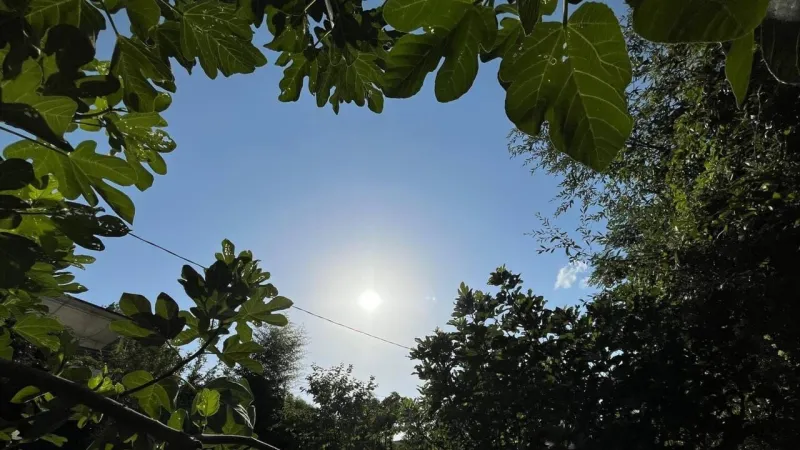
An unrelenting heatwave gripping Italy has prompted red alerts across 26 cities, particularly impacting the central and southern regions, and tragically claimed the life of an 81-year-old individual on a beach. The oppressive conditions, characterized by extreme temperatures and stifling humidity, are projected to persist beyond mid-August, raising significant public health concerns.
Authorities issued the highest level of weather warning for nearly two dozen cities on Friday, signaling an immediate and widespread health risk. These red alerts compel local administrations to activate emergency protocols and advise residents to take stringent precautionary measures against the severe climatic conditions.
The fatality of an elderly person underscores the critical dangers posed by such extreme weather, especially to vulnerable populations. Senior citizens, infants, and individuals with chronic health conditions face heightened risks of heatstroke, dehydration, and cardiovascular strain during prolonged periods of intense heat.
The affected areas span a significant portion of the Italian peninsula, with the central and southern territories bearing the brunt of the meteorological assault. Major urban centers and coastal regions alike are experiencing temperatures far exceeding seasonal averages, compounded by elevated humidity levels that intensify the perceived heat.
Public health officials are reiterating urgent advice to the populace. Recommendations include staying indoors during the hottest parts of the day, seeking shade, wearing light clothing, and maintaining continuous hydration through regular fluid intake. Avoiding strenuous physical activity, especially during peak afternoon hours, is also strongly advised.
Forecasts indicate no immediate respite from the sweltering conditions. Meteorologists predict that the persistent high temperatures and suffocating humidity will continue well past the traditional Ferragosto holiday, prolonging the period of acute discomfort and danger for residents and tourists.
Hospitals and emergency services are bracing for an anticipated increase in heat-related illnesses. The sustained thermal stress can exacerbate existing medical conditions, leading to an uptick in emergency room visits for respiratory issues, cardiac events, and severe dehydration.
Beyond the immediate health risks, the prolonged heatwave disrupts daily life, impacting commerce, tourism, and outdoor activities. Many businesses are adjusting operating hours, while local governments are establishing cooling centers to offer refuge to those without air conditioning.
The current climatic pattern aligns with a broader trend of more frequent and intense heatwaves observed in the Mediterranean basin. Scientists have repeatedly warned about the increasing regularity of such extreme weather events, linking them to global climatic shifts.
As Italy navigates this challenging period, the emphasis remains on community vigilance and individual responsibility. Protecting the most susceptible members of society from the relentless heat will be paramount in the coming weeks, as the nation collectively endures one of its most severe summer stretches.