 Angel Doris
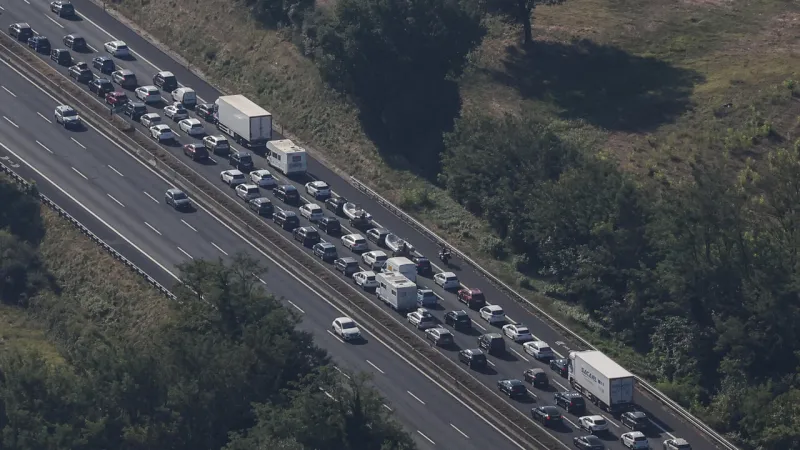
The Ministry of Infrastructure and Transport (MIT) in Rome is poised to introduce a sweeping overhaul of Italy's highway code, proposing significant changes that include supervised driving for 17-year-olds, mandatory license plates for delivery bicycles, and a comprehensive revision of traffic fines. These impending modifications aim to modernize road regulations and enhance safety across the nation.
A cornerstone of the proposed reforms permits teenagers aged 17 to obtain a driving license under the strict condition of being accompanied by an experienced driver. This initiative seeks to provide younger drivers with practical experience in a controlled environment before they are granted full autonomy on Italian roads, aligning Italy with similar programs in other European countries.
Another notable amendment addresses the burgeoning sector of urban mobility, specifically targeting delivery riders. The MIT plans to mandate license plates for bicycles used by professional delivery personnel, a move intended to improve accountability and enforcement of traffic laws for a segment of road users that has rapidly expanded in recent years. This could also streamline identification in case of accidents or infringements.
The package of reforms also includes an extensive review of penalties for traffic infractions. While specific details remain under discussion, the proposals suggest an increase in fines for certain offenses, reflecting a commitment to deter dangerous driving behaviors and reinforce respect for the highway code. The goal is to make penalties more effective deterrents.
Reports indicate that discussions also involve the controversial topic of right-hand overtaking. While the current Italian highway code strictly prohibits this maneuver, the MIT's proposals may clarify or introduce specific conditions under which such an action could be permissible, potentially mirroring regulations found in other nations or addressing particular road layouts.
The impetus behind these extensive revisions stems from a recognized need to adapt the existing highway code, parts of which date back decades, to contemporary traffic realities. The rise of new transportation methods, evolving urban landscapes, and persistent road safety challenges necessitate a legal framework that is both current and comprehensive.
Road safety advocates have long called for updated regulations to curb accidents and fatalities. By introducing supervised driving for younger individuals and implementing clearer rules for vulnerable road users like cyclists, the Ministry aims to foster a safer environment for all. These measures reflect a proactive stance against traffic-related incidents.
These proposals, originating from the Ministry of Infrastructure and Transport, will undergo parliamentary scrutiny before potentially becoming law. The legislative process typically involves debates in both chambers, committee hearings, and opportunities for public and expert input, ensuring a thorough evaluation of each proposed change.
The proposed changes are expected to spark considerable public debate, particularly regarding the licensing of 17-year-olds and the impact of new regulations on the gig economy's delivery sector. Stakeholders, including driver associations, cycling groups, and labor unions, are anticipated to weigh in on the implications of these reforms.
Italy is not alone in reassessing its traffic laws. Many European nations regularly update their road safety statutes to address technological advancements and societal shifts. The supervised driving model for young motorists, for instance, is a well-established practice in countries like Germany and France, offering a proven pathway to safer driving habits.
If enacted, these amendments could significantly alter daily commuting and transportation logistics across Italy. From how young people learn to drive to the operational costs for delivery services, the ripple effects of a modernized highway code would be felt widely, promising a more structured and perhaps safer road environment.