 Angel Doris
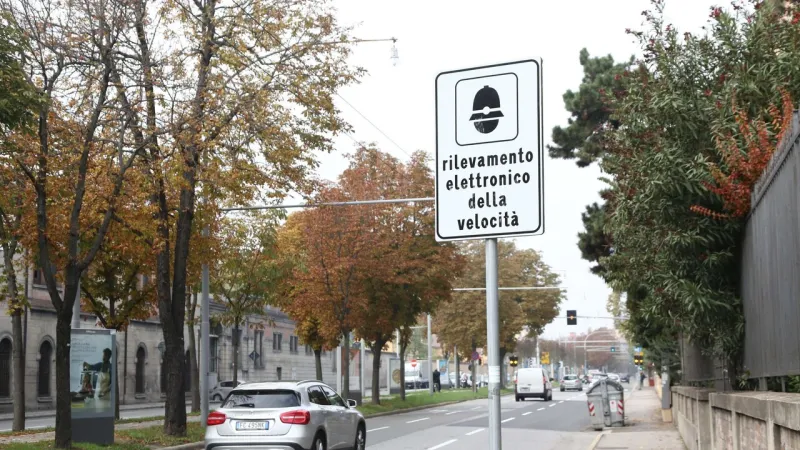
ROME – The Italian government has ushered in a new era of traffic enforcement, effectively halting the operation of approximately 850 unapproved speed cameras across the nation. The ministerial decree, recently published in the Official Gazette, establishes clear, uniform regulations for the installation and management of these devices, aiming to eliminate longstanding ambiguity and jurisdictional chaos.
This decisive action targets a problem that has plagued Italian roadways for years: a patchwork of local rules and often contentious applications of speed monitoring technology. The decree seeks to standardize criteria, ensuring that all speed detection devices, known colloquially as autovelox, operate within a consistent national framework.
The previous regulatory landscape was marked by significant fragmentation. Municipalities frequently installed speed cameras based on local ordinances, sometimes leading to accusations of using the devices primarily as revenue generators rather than for genuine road safety improvements. This approach often resulted in legal challenges and public distrust.
The 850 affected devices are those deemed non-compliant with the new, stricter guidelines. These cameras either lacked proper ministerial approval, were situated in locations not meeting safety criteria, or failed to adhere to visibility and distance requirements. Their deactivation signifies a significant shift towards greater accountability and legality in traffic control.
Key provisions of the new decree include stringent requirements for camera placement, mandating that devices be installed only in areas with a proven accident history or where speeding poses a clear and present danger. Furthermore, motorists must receive adequate advance warning of speed camera presence, with strict guidelines on signage and visibility.
Minister of Infrastructure and Transport, Matteo Salvini, championed the reform, emphasizing its intent to safeguard drivers from arbitrary fines and to refocus traffic enforcement on genuine accident prevention. The ministry asserts that the new rules will ensure fairness and transparency, fostering greater public confidence in the system.
The impact on local governments, many of whom have relied on speed camera fines for a portion of their budgets, is expected to be significant. While the decree aims to streamline operations, it also compels municipalities to reassess their traffic management strategies and invest in legally compliant technologies and procedures.
Government officials indicate that the move is not merely punitive but a constructive step towards enhancing overall road safety. By ensuring that only properly calibrated and strategically placed devices are operational, the decree seeks to create a more equitable and effective environment for all road users.
Public reception to the new regulations is anticipated to be largely positive among motorists, who have long called for clarity and consistency. However, some local authorities may express concerns regarding the immediate costs of adapting to the new standards or the potential short-term loss of revenue.
This sweeping reform represents a commitment from the Italian state to modernize and unify its approach to traffic law enforcement. It underlines a broader effort to reduce road accidents through clear, enforceable rules rather than through a maze of disparate local interpretations.
For additional context on Italy's initiatives in standardizing traffic management, readers may refer to previous reporting: Italy Implements Sweeping Speed Camera Reform to End Roadside Chaos.
Authorities now face the critical task of overseeing the seamless implementation of these new guidelines, ensuring that the transition results in tangible improvements in road safety and legal clarity across all Italian provinces.