 Debby Wijaya
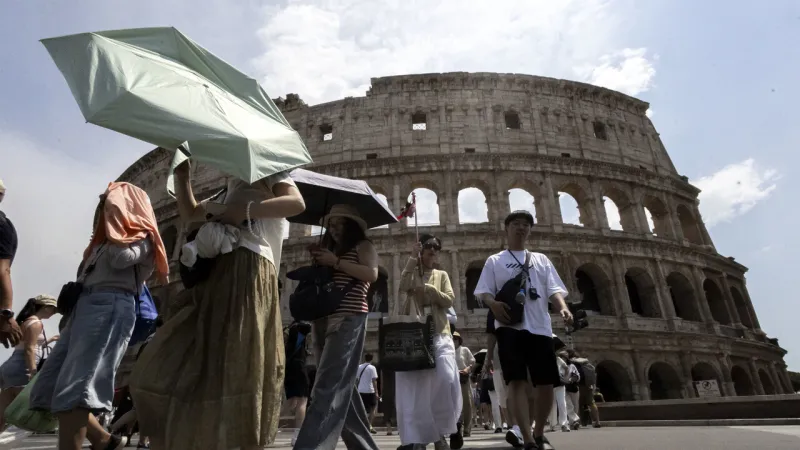
Italy is poised to experience a substantial cooling trend beginning this week, following a final weekend of intense heat that saw temperatures soar across the peninsula. Forecasters predict a nationwide reduction of at least 5 degrees Celsius, with maximums settling between 30 and 33 degrees after days of extreme conditions from the northern regions to the southern coast.
The extended period of elevated temperatures, characterized by what meteorologists termed a super caldo, pushed mercury readings well above 35 degrees Celsius in numerous cities. Southern regions, including Sicily and Puglia, frequently reported highs approaching 40 degrees Celsius, placing significant strain on public health and infrastructure.
The imminent weather shift marks a welcome reprieve for millions of residents and tourists who have contended with the oppressive heat. The reduction in temperatures is expected to begin gradually in the north before spreading southward, bringing more moderate conditions across the entire country.
Meteorological experts attribute the change to an incoming cooler air mass, which will displace the dominant anticyclonic system responsible for the recent heatwave. This atmospheric shift will usher in fresher air, leading to a noticeable drop in humidity levels alongside the falling temperatures.
The sustained heat had prompted public health warnings, urging citizens, particularly the elderly and young children, to stay hydrated and avoid prolonged outdoor exposure during peak daylight hours. Hospitals reported an increase in heat-related emergency calls, highlighting the severity of the conditions.
Agricultural sectors across Italy also faced considerable challenges. Prolonged periods of extreme heat can stress crops, increase irrigation demands, and impact livestock. The anticipated cooling trend offers a crucial window for recovery, potentially mitigating some of the heatwaves detrimental effects.
Environmental concerns heightened during the heatwave, with an elevated risk of wildfires. Similar conditions have fueled blazes in other parts of Europe, underscoring the interconnectedness of extreme weather phenomena. While not directly linked, the persistent dry and hot weather contributes to such dangers, as seen with ongoing situations like the Oslo Wildfire Uncontained, Blaze Edges Closer to Vital Forests.
This pattern of increasingly frequent and intense heatwaves aligns with broader global climate trends. The Global Climate Crisis Intensifies: New IPCC Report Demands Urgent Action continues to underscore the urgency of addressing climate change as extreme weather events become more commonplace worldwide.
Cities like Rome, Florence, and Milan, which have experienced days of stifling heat, will likely see their daytime highs settle into the low 30s by mid-week. Nighttime temperatures, which often remained uncomfortably high during the heatwave, are also expected to drop significantly, offering more conducive conditions for rest.
The cooling trend is forecast to persist through the coming days, providing a more temperate climate as the week progresses. While the risk of isolated thunderstorms may increase with the arrival of cooler air, the overall outlook points to a period of much-needed relief for the Italian populace.