 Dodi Irawan
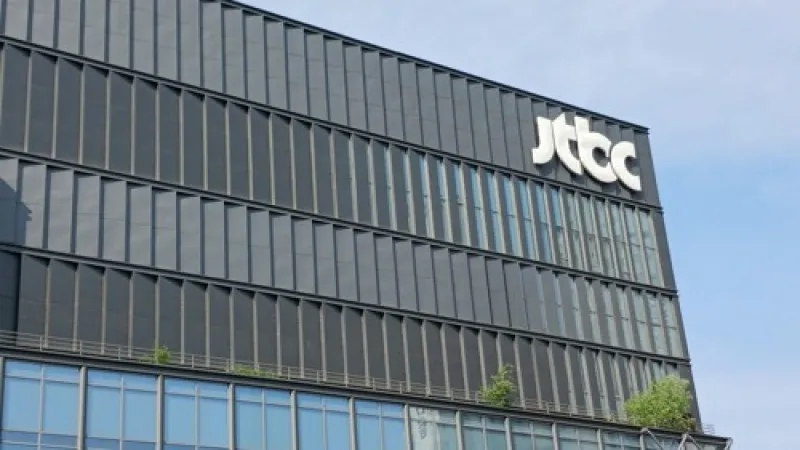
SEOUL, Nov. 16 (Yonhap) – Debt-ridden South Korean broadcaster JTBC announced Monday its decision to terminate a long-term contract for the Olympic Games broadcasting rights, citing severe financial woes. The unexpected move by the media giant underscores deepening economic pressures afflicting the nations competitive broadcasting landscape.
The broadcaster, which had secured exclusive rights to major Olympic events for several cycles, confirmed the termination following weeks of speculation regarding its fiscal health. This decision effectively severs JTBCs direct involvement in future Olympic coverage, a significant blow to its sports programming portfolio.
Sources close to the company indicate that persistent losses and an inability to generate sufficient advertising revenue to offset the substantial acquisition costs of these prestigious sports rights were central to the decision. The escalating cost of premium content, coupled with a fragmenting audience base, has placed immense strain on traditional media outlets.
JTBC had initially acquired these coveted rights with ambitions to solidify its position as a premier destination for sports enthusiasts in South Korea. The multi-year deal, forged during a period of more optimistic market projections, was intended to draw substantial viewership and command high-value advertising slots.
However, the economic reality proved more challenging. The broadcaster has been grappling with a precarious financial situation, exacerbated by a slowdown in advertising markets and increased competition from both domestic and international streaming platforms. Reports earlier this year detailed a significant accumulation of debt.
1. The termination leaves a void in the South Korean sports broadcasting arena, prompting questions about which local network or consortium might now step forward to acquire the newly available rights. Industry observers are already speculating on potential bidders, including major public broadcasters and emerging digital platforms.
This development resonates with broader concerns about the health of the South Korean economy and its various sectors. As highlighted in discussions surrounding the South Korea Industry Crisis: Handshakes Alone Cannot Steady Economic Ship, many industries are facing unprecedented challenges that demand more than superficial interventions. The media sector is clearly not immune to these systemic issues.
For South Korean sports fans, the news means uncertainty regarding where they will access future Olympic coverage. The absence of a clear replacement could impact viewership numbers and potentially lead to a less unified viewing experience for global athletic showcases.
JTBCs exit from Olympic broadcasting also signals a potential shift in strategies for other media companies in the region. The high financial risk associated with securing top-tier sports events may lead to a more cautious approach to rights acquisition across the industry.
Analysts suggest that this strategic retreat by JTBC could be a precursor to a wider restructuring within the company, aimed at shoring up its balance sheet and focusing on more profitable content verticals. The emphasis may shift toward original dramas and news programming, areas where JTBC has historically performed strongly.
The local stock market reacted with a mixed sentiment. While some investors viewed the move as a prudent, albeit painful, decision to offload a financially burdensome asset, others expressed concern about the long-term viability of traditional broadcasters in a rapidly evolving digital landscape.
The broader implications extend beyond JTBC. It serves as a stark reminder to other regional media conglomerates about the imperative of sustainable business models in an era where viewer habits are constantly shifting and content costs continue their upward trajectory. The quest for exclusive content often collides with fiscal realities.
The government and regulatory bodies have yet to issue a formal statement on the matter, though the situation will likely prompt renewed discussions about support for the domestic media industry. Ensuring diverse and accessible content for the public remains a key policy objective.
JTBCs termination of its Olympic broadcast deal is a powerful indicator of the severe financial headwinds facing South Koreas media industry. It highlights the complex interplay between content acquisition, advertising revenue, and the evolving demands of a digital-first audience.