Angel Doris
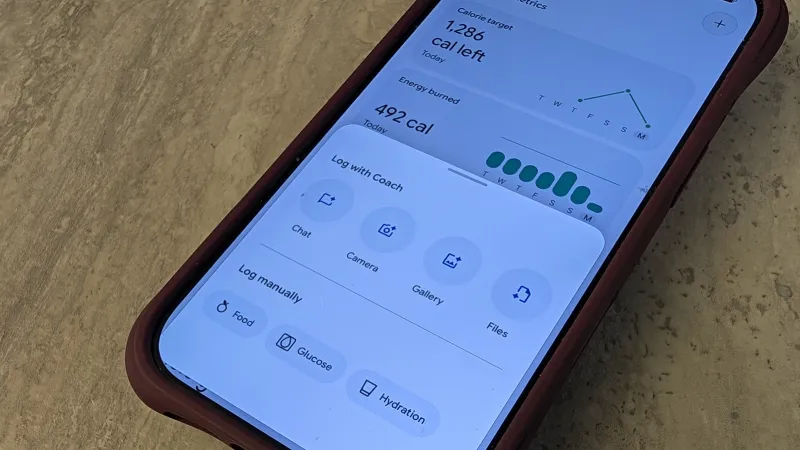
MOUNTAIN VIEW, Calif. — Many users of the Google Health app routinely overlook a robust and intuitive food tracking feature that promises to significantly streamline the often-arduous process of diet management. This integrated function, designed to simplify the monitoring of daily nutritional intake, offers a practical solution to a common challenge faced by individuals striving for healthier eating habits. Its overlooked potential positions it as a key tool for those seeking less annoying, more consistent dietary oversight.
The landscape of personal wellness technology is replete with applications aiming to assist with nutrition, yet many struggle with user engagement. The primary hurdle often lies in the tedious and time-consuming nature of logging every meal, snack, and beverage. This friction frequently leads to user abandonment, undermining the very goal of sustained health improvement.
Google has quietly countered this prevalent issue within its own Health app ecosystem. Rather than offering a standalone, complex dietary journal, the tech giant has embedded a seamlessly integrated food tracking capability that emphasizes simplicity and quick data entry. This approach aligns with broader user expectations for effortless digital interactions, making it far more likely for individuals to adhere to their dietary goals.
Central to its effectiveness is an intelligent food database and smart suggestions. As users begin to log meals, the system leverages machine learning to offer predictive text and common food entries, drastically reducing the manual input required. This smart automation transforms a chore into a swift, almost conversational interaction, a stark contrast to older, more cumbersome tracking methods.
Furthermore, the feature allows for detailed nutritional breakdowns of logged items, providing immediate insights into caloric intake, macronutrient distribution, and other vital statistics. This instant feedback empowers users to make informed decisions about their next meal, fostering a deeper understanding of their dietary patterns without demanding extensive research.
The Google Health app does not operate in a vacuum. It forms part of a larger interconnected health and wellness strategy from Google. This encompasses a range of devices and services, including integration with wearables and other data points that contribute to a holistic view of a user's well-being. For instance, the ecosystem often harmonizes with fitness trackers, providing a comprehensive dashboard for health metrics. This mirrors efforts seen in other platforms, such as understanding how to "Unlock Your Fitbit Edge: Essential Settings for Optimal Performance" or even Apple's approach to health data, as highlighted in "Unlock Peak Performance: Master Apple Watch Battery Health Simply".
Despite its sophisticated design and obvious benefits, many users remain unaware of the depth and utility of this particular food tracking component. Competing apps, aggressive marketing campaigns, and a general tendency to focus on headline features sometimes overshadow these more practical, understated tools within broader platforms.
However, for those who discover it, the impact can be transformative. Regular and accurate food logging serves as a cornerstone for various health objectives, from weight management to monitoring specific dietary restrictions. By mitigating the annoyance factor, Google has significantly lowered the barrier to entry for effective nutritional oversight.
The application also offers historical data visualization, allowing users to review their dietary trends over days, weeks, or months. These graphical representations illuminate patterns and progress, offering valuable motivation and helping users identify areas for improvement. Such data-driven insights are crucial for long-term health adherence.
In an era where personal data and wellness technology increasingly intersect, the demand for user-friendly interfaces remains paramount. Google's quiet refinement of its Health app's food tracking capability represents a thoughtful step towards making healthy living more attainable for the average individual.
Industry analysts suggest that the emphasis on intuitive design and integrated functionality will define the next generation of health applications. As AI advancements continue, similar to those explored in "Mastering Google Gemini: Unlock Its Full AI Potential", we can anticipate even more predictive and personalized dietary recommendations within these platforms, further reducing the manual burden on users.
Ultimately, the Google Health app offers more than just a digital notebook for meals; it provides an intelligent partner in the quest for improved health. Its overlooked food tracking feature exemplifies how subtle technological enhancements can yield significant real-world benefits, simplifying complex tasks and promoting healthier lifestyles without the usual friction.