 Robert Andrison
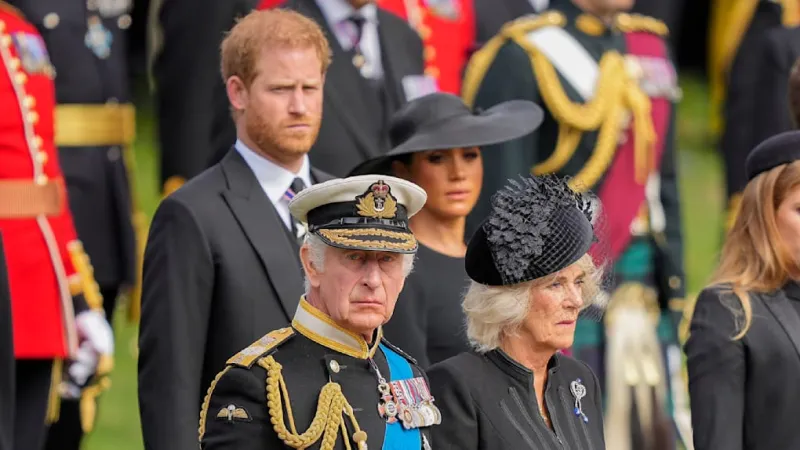
Highgrove, England – King Charles III recently hosted Prince Harry, Meghan Markle, and their children, Prince Archie and Princess Lilibet, at his Highgrove residence, marking the first direct reunion between the monarch and his grandchildren since 2022. The private gathering occurred amidst persistent speculation regarding familial estrangement and ongoing disputes over security and residential arrangements for the Duke and Duchess of Sussex.
The visit represents a significant moment in the complex relationship between the senior royals and the Sussexes, who relocated to the United States in 2020 after stepping back from their roles as working members of the Royal Family. While details of the private meeting remain scarce, its occurrence signals a potential, albeit delicate, step towards mending fractured ties.
Prince Archie, seven, and Princess Lilibet, five, had not seen their grandfather, King Charles, in person since at least 2022, underscoring the duration of the family's geographical and emotional distance. The opportunity for King Charles to connect with his youngest grandchildren is seen by many observers as crucial for the long-term stability of royal familial bonds.
The underlying tensions, which escalated following the Sussexes departure and subsequent revelations in interviews and memoirs, have centered on issues of security provision for the family when in the United Kingdom, as well as the availability of royal residences. These points of contention have often overshadowed any attempts at reconciliation.
Sources close to the Royal Household, who spoke on condition of anonymity due to the sensitivity of the matter, suggested that the primary aim of the Highgrove visit was to allow King Charles to spend time with Archie and Lilibet. This direct interaction is considered vital for fostering a personal connection with the children, irrespective of the broader disagreements between the adults.
The Duke and Duchess of Sussex have largely built a new life in California, focusing on philanthropic endeavors and media projects. Their visits to the United Kingdom have been infrequent and typically limited to official engagements or memorial services, often without their children.
The decision by King Charles to open Highgrove for this reunion suggests a proactive effort on his part to maintain a relationship with his son and his family. The Highgrove estate, a personal residence of the King, often symbolizes a more informal and private setting compared to Buckingham Palace or Windsor Castle.
While this meeting offers a glimmer of hope for a more harmonious future, royal commentators caution against premature declarations of a complete thaw. The deeply rooted issues concerning trust, public roles, and media narratives continue to present formidable challenges for lasting peace within the family.
The privacy afforded to this meeting contrasts with the intense public scrutiny that usually accompanies any interaction involving the Duke and Duchess of Sussex. This discretion may indicate a mutual desire to navigate these delicate familial waters away from the glare of international media.
Ultimately, the Highgrove reunion serves as a pivotal, if private, development in the ongoing narrative of the Royal Family. Its long-term impact on the future of family peace remains uncertain, yet it undeniably marks a moment of direct engagement that many royal watchers had hoped for.