Angela Stefani
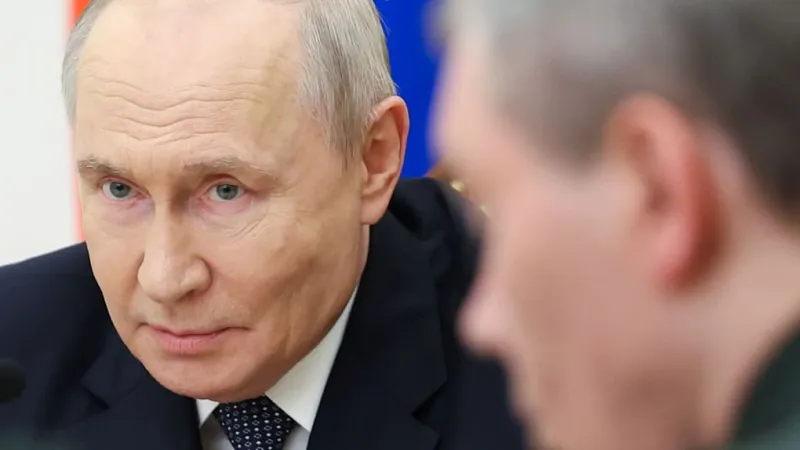
A recent report has sparked widespread concern and speculation regarding Russian President Vladimir Putin's grasp on the ongoing Ukraine war, following allegations that he attempted to contact a military commander widely believed to have been deceased for several months. The incident, if confirmed, profoundly questions the reliability of intelligence reaching the Kremlin and the operational reality of Russias special military operation.
According to the German language source, which cited specific Russian communications, President Putin reportedly engaged in a telephone conversation with a commander who is widely understood to have died in combat many months prior. This alleged communication gap points to a potentially severe disconnect between the top echelons of Russian leadership and the grim realities on the battlefield.
Such an astonishing lapse in information, if accurate, suggests a systemic failure within Russias military command and control structure. It raises fundamental questions about the channels through which critical battlefield intelligence flows to the President, and whether accurate, unfiltered assessments are reaching his desk.
This incident casts a shadow over the Kremlin's narrative regarding its special military operation in Ukraine, often characterized by official pronouncements of success and controlled information. The possibility of such a significant informational vacuum at the highest level implies either deliberate obfuscation, extreme incompetence, or a profound isolation of the Russian leader from ground truth.
Analysts suggest that in authoritarian systems, leaders can become increasingly insulated from dissenting views or negative reports, leading to a distorted perception of reality. Subordinates may be incentivized to deliver only favorable news, inadvertently creating an echo chamber that prevents critical information from surfacing.
Historical precedents abound where leaders, detached from the true state of affairs, made critical decisions based on flawed intelligence, often leading to protracted conflicts and unforeseen consequences. The alleged call underscores the perils of such an environment for national security and international stability.
The broader implications for Western nations are significant. A Russian leadership potentially operating on misinformation or outdated facts could introduce unpredictable elements into the Ukraine war. This lack of situational awareness increases the risk of miscalculation, with potential escalatory effects for the entire region and beyond.
Policymakers in Washington, Brussels, and other capitals meticulously monitor Moscow's strategic decision-making. Any indication that President Putin's understanding of the conflict is severely compromised would necessitate a reevaluation of diplomatic and defensive postures.
The ongoing humanitarian crisis and relentless fighting in Ukraine continue to underscore the urgent need for accurate and transparent communication. Reports of intensified bombardments in cities like Odesa and Kharkiv highlight the persistent tragedy endured by the civilian population. Read more about the unrelenting conflict in this report: Odesa Sustains Russian Assault; Ukrainian Drones Injure 13 in Belgorod.
International efforts to broker peace and de-escalate tensions depend heavily on all parties having a clear and shared understanding of the operational landscape. Pope Francis, for instance, has repeatedly called for an end to the hostilities and a path to peace, as documented in articles such as: Pontiff Pleads for Peace As Odesa, Kharkiv Endure Nighttime Assaults.
Furthermore, the incident fuels concerns about the pervasive nature of disinformation campaigns, both within Russia and directed outwards. The struggle for factual accuracy is central to understanding the conflict and countering propaganda efforts, as explored in discussions around countering foreign influence: Berlin Election Frontrunner Targets Russian House Propaganda.
The alleged communication misstep by President Putin serves as a stark reminder of the challenges in discerning truth amidst the fog of war and the complexities of international relations in 2026. The world watches closely, seeking clarity and stability in a volatile geopolitical climate.