Gabriella
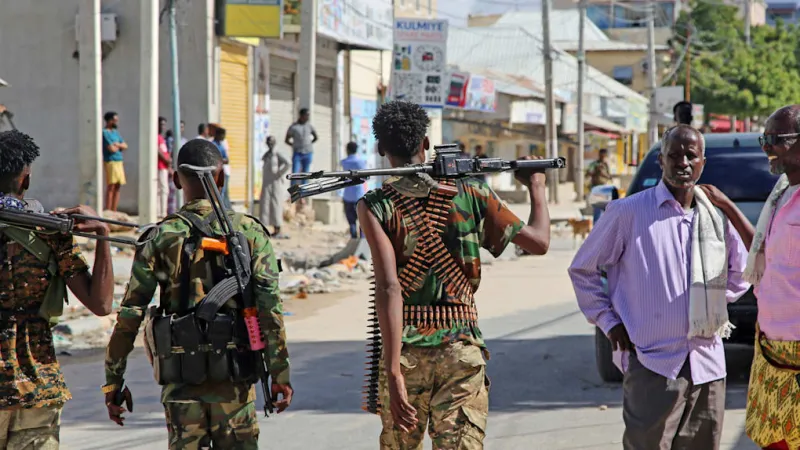
The United States, under President Donald Trump's administration, is poised to withdraw its crucial logistical support for the United Nations-backed peacekeeping mission in Somalia, a move that threatens to unravel the nearly 12,000-strong international force combating Islamist extremists. This decisive action stems from Washingtons assessment that Somalia has failed to demonstrate sufficient and sustained progress in its fight against militant groups, particularly al-Shabaab, despite significant prior US investments.
The ramifications of this decision are profound. The current mission, largely composed of African Union Transition Mission in Somalia (ATMIS) troops, heavily relies on UN logistical infrastructure, including transportation, supplies, and medical evacuation capabilities, which are often funded or facilitated by US contributions. Without this vital backing, the operational capacity of the forces could be severely crippled, potentially leading to their phased withdrawal.
The international presence in Somalia has been a cornerstone of efforts to stabilize the fragile Horn of Africa nation for over a decade. Initially established as AMISOM (African Union Mission in Somalia) and later rebranded as ATMIS, its primary mandate has been to support the Somali federal government in defeating al-Shabaab, a potent al-Qaeda affiliate, and in building national security forces.
Sources within the Trump administration indicate a growing frustration with the perceived lack of tangible gains on the ground. Despite substantial financial and military aid, including training programs and targeted airstrikes, the US views Somalias internal security apparatus as still too nascent and its counter-extremism efforts inconsistent. This perspective aligns with President Trump's broader foreign policy philosophy, which often scrutinizes the efficacy and cost-effectiveness of international commitments.
Somalia has long grappled with endemic instability, corruption, and the persistent insurgency of al-Shabaab. While the mission has achieved significant victories in pushing back the militants from key urban centers, al-Shabaab retains control over vast rural areas and continues to launch deadly attacks, including in the capital, Mogadishu. The group's resilience underscores the complex challenges faced by both the Somali government and international partners.
The approximately 12,000 troops currently deployed under ATMIS are primarily drawn from countries such as Uganda, Burundi, Kenya, Ethiopia, and Djibouti. Their continued presence is instrumental not only for direct combat operations but also for protecting civilian populations and safeguarding critical infrastructure. Their operational viability is inextricably linked to the robust logistical framework provided by the UN, which would be severely undermined by the US withdrawal of support.
The United States has historically been a significant contributor to stability efforts in Somalia, providing millions in humanitarian aid, security assistance, and direct funding to counter-terrorism initiatives. This latest move marks a strategic shift, emphasizing accountability and tangible results over sustained, open-ended engagement.
The potential collapse of the ATMIS mission carries severe regional implications. Neighboring countries, already contending with their own security challenges, fear a resurgence of al-Shabaab and increased regional destabilization should the international security vacuum expand. The porous borders and the transnational nature of extremist threats mean that a weakened Somalia could become a more dangerous launchpad for regional attacks.
The decision is expected to generate significant diplomatic pressure from UN member states and African nations, who have consistently advocated for continued international support for Somalia. They argue that a premature withdrawal could undo years of hard-won progress and plunge the nation into deeper chaos, potentially creating a more fertile ground for extremist recruitment and expansion.
Analysts suggest that a withdrawal of international forces would be a significant propaganda victory for al-Shabaab, allowing the group to expand its territorial control and further entrench its influence. This could exacerbate the humanitarian crisis in Somalia and undermine nascent state-building efforts.
The future of Somalias security and stability now hangs precariously in the balance. While the Trump administration's move signals a demand for greater self-sufficiency from Somalia, the immediate consequences could be a critical security void. The coming weeks will likely see intense diplomatic maneuvers to either reverse the decision or formulate an alternative strategy for maintaining vital security operations. President Trump's administration has previously signaled a focus on what it perceives as disproportionate burdens in international security initiatives, a stance exemplified by past remarks questioning NATO spending by allies. This broader pattern suggests a calculated recalibration of US foreign engagement.