 Chandra Wijayanto
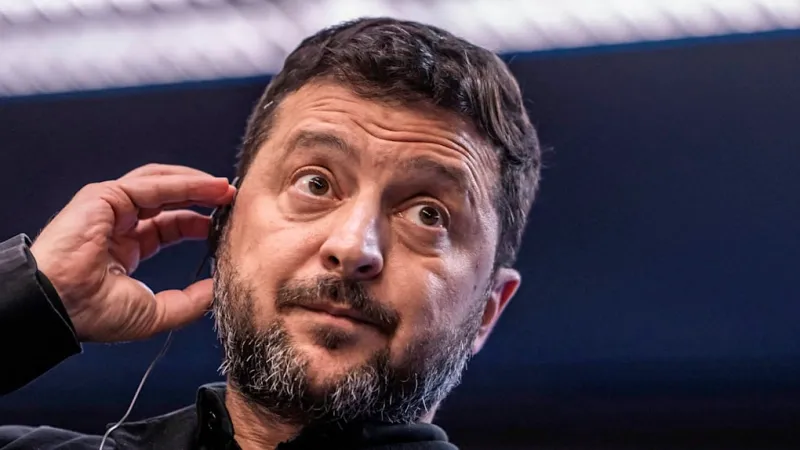
OSLO, Norway — Ukrainian President Volodymyr Zelensky unequivocally rejected any proposed international summit on the Ukraine war that would exclude Kyiv from the negotiating table, signaling a firm stance against a reported Russian overture for a trilateral meeting with the United States and China.
President Zelensky conveyed his position during a critical meeting in Oslo with the US Special Envoy for Ukraine. The discussions focused on the ongoing conflict and the path toward a resolution, with Kyiv reiterating its commitment to a peace process rooted in its sovereignty and territorial integrity.
Reports circulated that Russia proposed a high-level summit involving Moscow, Washington, and Beijing to address the Ukrainian conflict. This initiative, if realized without Kyivs direct participation, would fundamentally bypass Ukraine's agency in determining its own future.
President Zelensky stressed that any peace efforts must include Ukraine as an equal participant. A summit without Kyiv, he emphasized, would be seen as an attempt to dictate terms rather than genuinely pursue a lasting and equitable peace.
His remarks underscore a consistent diplomatic principle held by Ukraine: that no decisions about Ukraine can be made without Ukraine. This position has been a cornerstone of Kyiv's international engagement since the full-scale invasion commenced.
The US Special Envoy for Ukraine, whose identity has not been publicly disclosed in this context, engaged President Zelensky in detailed discussions concerning strategic support and diplomatic pathways. These dialogues are critical as the conflict enters its fifth year.
Analysts suggest Russia's proposed summit aims to elevate the conflict to a great-power dispute, potentially sidelining Ukraine and dividing international support. Such a move would allow Moscow to frame the war as a geopolitical struggle rather than an act of aggression against a sovereign nation.
President Donald Trump's administration has navigated a complex diplomatic landscape regarding the Ukraine conflict. While committed to supporting Kyiv, various strategies have been explored to de-escalate tensions and promote dialogue. Critics have sometimes noted that Trump's Ukraine strategy is seen as aiding Putin on five fronts, highlighting the delicate balance of international diplomacy.
China's potential involvement in such a summit remains a critical factor. Beijing has maintained a complex position, often calling for peace while refraining from outright condemnation of Russia's actions. Its participation would lend significant geopolitical weight, but also risk legitimizing a process that excludes Ukraine.
The Ukrainian leader's current discussions in Oslo also served to reinforce bilateral ties and align strategies with key international partners. Building a united front remains paramount for Kyiv in counteracting Russian narratives and diplomatic maneuvers.
Prior to the current engagement, President Zelensky has met with US envoys multiple times, including a significant encounter where Zelensky met Trump's envoy amid Kremlin's legitimacy challenge, emphasizing the ongoing high-level dialogue between Washington and Kyiv.
The global community has consistently backed Ukraine's right to self-determination and territorial integrity. International consensus broadly supports a peace process that respects these principles, making any summit without Ukrainian representation highly controversial.
Despite repeated calls for a cessation of hostilities, peace talks have largely stalled since the initial phases of the conflict. Kyiv has maintained that any resolution must include the full withdrawal of Russian forces and restitution for damages.
This latest diplomatic maneuver by Moscow highlights the intricate and often contradictory nature of international efforts to resolve the protracted war. Kyiv's firm rejection signals that it will not be relegated to the sidelines in discussions about its own future.
As President Zelensky continues his diplomatic outreach, the emphasis remains on fostering a united international front and ensuring Ukraine's indispensable role in shaping any lasting peace agreement. The path forward remains challenging, marked by both military realities and intricate diplomatic negotiations.
His resolute stance in Oslo sends a clear message to all international actors that Ukraine is an active participant in its destiny, not merely a subject of external negotiation. This principle will undoubtedly guide Kyiv's engagement in any future peace endeavors.