 Angel Doris
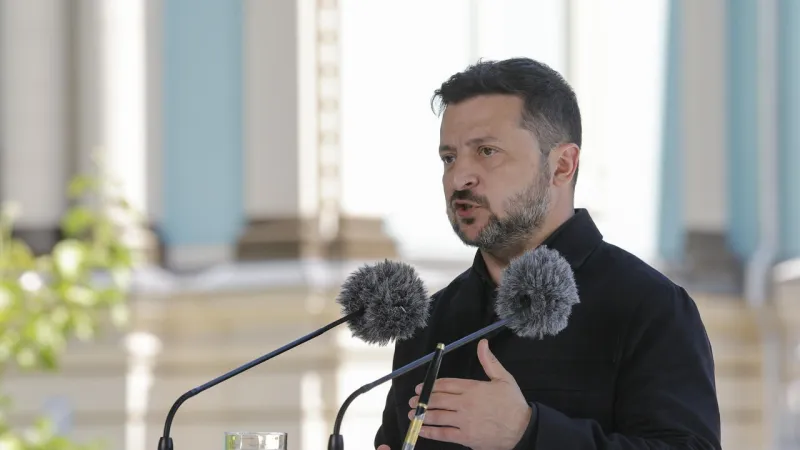
Kyiv, Ukraine – President Volodymyr Zelensky's recent governmental reshuffle, which saw a former top intelligence official appointed as the new premier, has ignited public protests across the capital. This controversial move followed the abrupt dismissal of the former Defense Minister, who publicly claimed his removal stemmed from opposition to the army's commander-in-chief.
The appointment of a figure with a deep intelligence background to such a prominent civilian post represents a significant strategic shift within Ukraine's wartime administration. This decision underscores President Zelensky's perceived need for unwavering loyalty and a highly securitized approach to governance amid ongoing national security challenges.
Sources within the presidential administration confirmed the successor to the premiership is indeed a seasoned operative from Ukraine's security services, often referred to colloquially as a secret agent in local media. His identity, while officially announced, maintains an aura of discretion, reflecting his past professional life.
The outgoing Defense Minister, whose tenure saw critical periods in the conflict, did not mince words regarding his departure. Speaking to a local news outlet, he stated, "I was silenced because I was against the army chief," implying deep-seated disagreements over military strategy and command within the higher echelons.
This public accusation has fueled speculation about internal rifts within Ukraine's military and political leadership, particularly concerning the operational direction of the national defense efforts. Such discord, if pervasive, could undermine the unified front Ukraine endeavors to project to its international allies.
Public demonstrations quickly materialized in central Kyiv following the announcements. Citizens gathered, expressing concerns over the increasing concentration of power, the lack of transparency surrounding key appointments, and the implications of an intelligence operative leading the civilian government in a nation striving for democratic ideals.
Analysts suggest the reshuffle is an attempt by President Zelensky to consolidate power and ensure stricter adherence to his directives in a critical period. However, it risks alienating segments of the populace who advocate for greater democratic oversight and robust civilian control over state institutions.
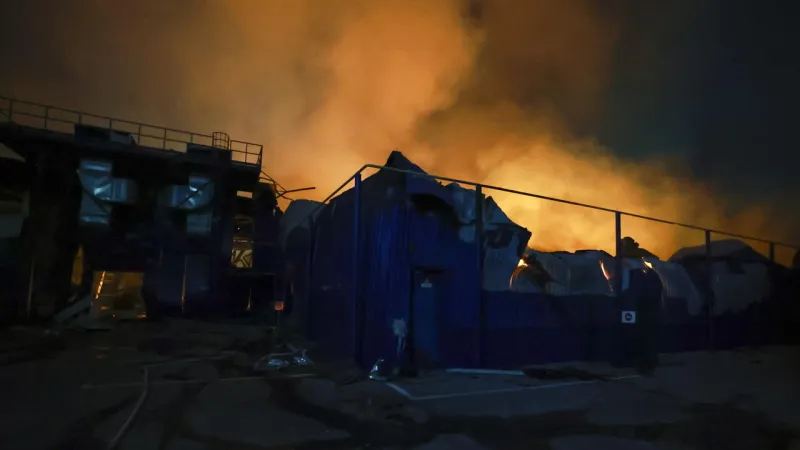
The context of these political developments remains inextricably linked to the ongoing conflict. Ukraine faces immense pressure to maintain its military effectiveness and secure international aid. Recently, Kyiv itself has experienced intense barrages, prompting renewed calls for expedited air defense systems, as detailed in reports like Ukraine Demands Faster Air Defense After Kyiv Ballistic Barrage.
The impact of such internal political turbulence could also reverberate through the morale of frontline forces. Reports from the conflict zone continue to paint a grim picture, with some intelligence assessments suggesting that Russian soldiers face minutes-long survival rates, a stark reality often highlighted, such as in the article Ukraine War: Russian Soldiers Face Minutes-Long Survival, CIA Says.
Critics argue that replacing a defense minister with an intelligence chief, especially under such contentious circumstances, could be perceived as prioritizing internal security and control over broader military and political consensus. The move raises questions about the balance between national security demands and democratic governance during wartime.
The coming weeks will likely test the stability of Zelensky's administration as it navigates both external aggression and internal dissent. The international community watches closely, emphasizing the importance of stable governance and democratic principles even amidst the severe challenges of ongoing conflict.