 Chandra Wijayanto
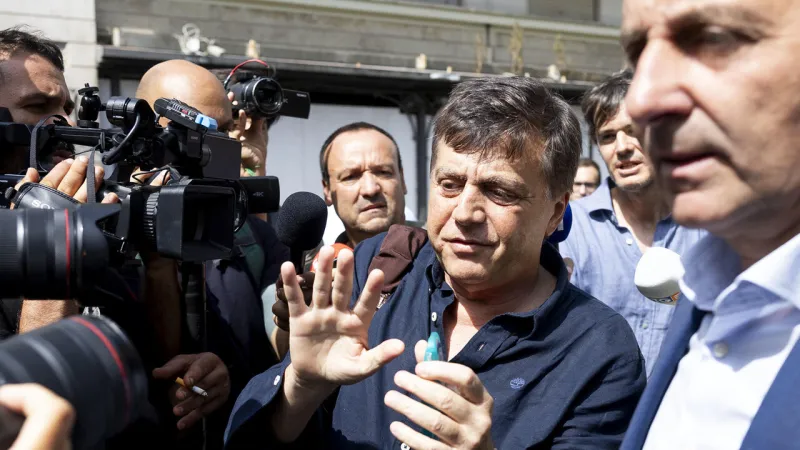
Lawyers representing Italy Valter Lavitola are preparing to file a fresh petition for judicial review of his precautionary measures, alleging that prominent investigative journalist Sigfrido Ranucci held crucial information regarding the perpetrator of a past assault. This significant legal maneuver seeks to challenge Lavitola's current judicial standing by introducing a potentially explosive new dimension to a long-standing case.
The defense team's assertion posits that Ranucci, known for his work on the Rai 3 program Report, would have been in a position to identify the mastermind behind an attack, thereby potentially influencing the trajectory of previous investigations. The precise nature of this alleged attack remains unspecified in the initial legal statements, yet the implication of undisclosed knowledge from a journalist of Ranucci's stature carries considerable weight.
Valter Lavitola, an Italian businessman and former director of the newspaper lAvanti!, has been a figure at the nexus of political and financial scandals for years. His legal troubles have often been intertwined with high-profile corruption allegations, including those linked to influential political figures. The new request for review aims to scrutinize the foundations of the legal measures currently imposed upon him.
Sigfrido Ranucci, on the other hand, commands respect as a tenacious investigative reporter whose work has frequently exposed organized crime, political corruption, and societal injustices. The suggestion that he might have withheld vital information from authorities would represent a stark departure from his public image and journalistic ethos.
This latest development signals a renewed effort by Lavitola's legal counsel to reassess the precautionary measures. In the Italian legal system, misure cautelari can include various forms of restrictions, such as house arrest or pre-trial detention, imposed to prevent further crimes, tampering with evidence, or flight risk.
The core of the new request for judicial review, or riesame, centers on the argument that if Ranucci indeed possessed foreknowledge or direct insight into the identity of an attack's perpetrator, this information could fundamentally alter the understanding of the case. Such an assertion could prompt a re-evaluation of evidence and witness testimonies that formed the basis for previous judicial decisions.
Lavitola's defense argues that Ranucci's alleged knowledge, if proven, could cast doubt on the thoroughness of earlier inquiries or even suggest a deliberate omission that impacted Lavitola's legal position. The precise context of the attentato and Ranucci's connection to it will undoubtedly be central to the upcoming legal arguments.
Journalistic ethics typically mandate that reporters protect their sources, but withholding information pertinent to a serious crime, especially if it implicates a known perpetrator, could spark wider debate within both legal and media circles. This particular claim places Ranucci in an uncomfortable spotlight, prompting questions about his role, if any, in the alleged incident's aftermath.
Should the court accept the petition for a riesame, it would trigger a new hearing where Lavitola's lawyers would present their arguments, potentially calling Ranucci or other witnesses to corroborate their claims. The outcome could significantly impact Lavitola's current legal status and open new avenues for investigation into the original attack.
The unfolding legal saga underscores the complex interplay between justice, investigative journalism, and political accountability in Italy. As this new chapter commences, observers will be closely watching for any revelations that could redefine the narrative surrounding Valter Lavitola's protracted legal battles.
The implications extend beyond the immediate legal proceedings, potentially affecting public perception of both Lavitola's culpability and the broader integrity of information dissemination concerning sensitive national cases.
Further details regarding the specific evidence Lavitola's lawyers intend to present, or any immediate response from Ranucci or his legal team, are expected to emerge as the request for review formally progresses through the Italian judicial system.