 Edward DP Situmorang
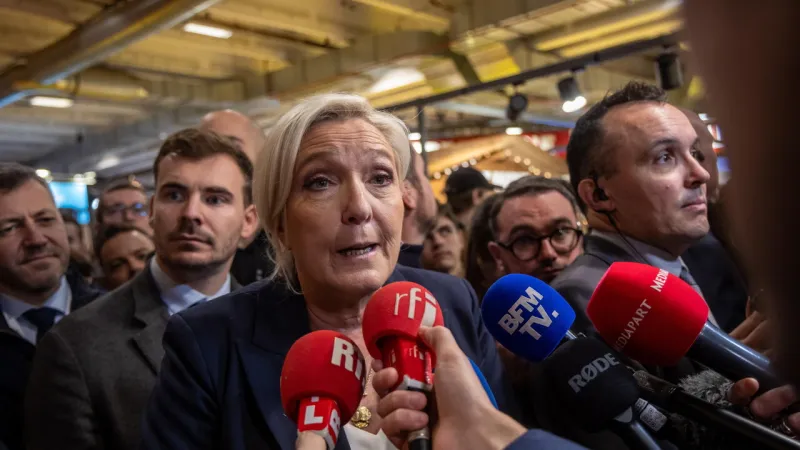
PARIS - A new French presidential poll conducted by Elabe for Bfmtv and La Tribune Dimanche reveals Marine Le Pen holding a substantial lead, with Jean-Luc Mélenchon positioned second. The survey indicates an unexpected showing for Olympic champion Teddy Riner, garnering 4.5 percent of voter intentions.
The findings offer a crucial snapshot of the electorate's mood as the nation approaches its next presidential election cycle. Le Pen, representing the National Rally, appears to have successfully consolidated her base while attracting support beyond traditional right-wing voters, signaling a potentially formidable challenge for other contenders.
Her consistent presence in French politics and her ability to refine her party's image seem to be resonating with a populace grappling with various economic and social anxieties. The latest French presidential poll underscores her persistent electoral strength and her campaign's effectiveness in tapping into national concerns.
Trailing in second place is Jean-Luc Mélenchon, the leader of La France Insoumise. His left-wing platform continues to mobilize a significant segment of voters, particularly among younger demographics and those advocating for more radical social and economic reforms. However, the poll suggests a notable gap between his support and Le Pen's.
Mélenchon's challenge historically involves expanding his appeal beyond a core activist base to become a truly unifying figure for the broader left. The current figures from the French presidential poll highlight this enduring hurdle as the election draws closer.
Perhaps the most unexpected detail from the survey is the emergence of Teddy Riner, the legendary judoka, with 4.5 percent of the vote. Riner, a multiple Olympic gold medalist and a widely admired national figure, has not formally declared a presidential bid, making his inclusion and performance particularly intriguing.
His surprising presence on the ballot, even hypothetically, suggests a potential appetite among voters for non-traditional candidates or figures perceived as embodying national pride and success. This could disrupt established political dynamics by drawing support from across the spectrum.
The Elabe poll, commissioned by prominent media outlets Bfmtv and La Tribune Dimanche, is considered a reliable indicator of public sentiment. Elabe is known for its rigorous methodology and provides frequent insights into the evolving political landscape of France.
The political climate in 2026 is marked by ongoing debates surrounding economic stability, national identity, and France's role within the European Union. These overarching themes are likely influencing voter preferences and contributing to the current alignment of support revealed in the French presidential poll.
Analysts are closely examining what Riner's potential candidacy might mean for the first round of voting, particularly how his support could impact the chances of other candidates making it to the decisive second round. His appeal could splinter votes that might otherwise go to more conventional figures.
The current state of play suggests a highly competitive and potentially unpredictable election, despite Le Pen's commanding early lead. As campaigning intensifies, shifts in public opinion, unforeseen events, and candidate strategies will undoubtedly reshape the electoral map.
This early French presidential poll provides valuable insight into the initial battle lines forming but also highlights the fluidity inherent in any major national election, leaving ample room for developments in the months ahead.