 Chandra Wijayanto
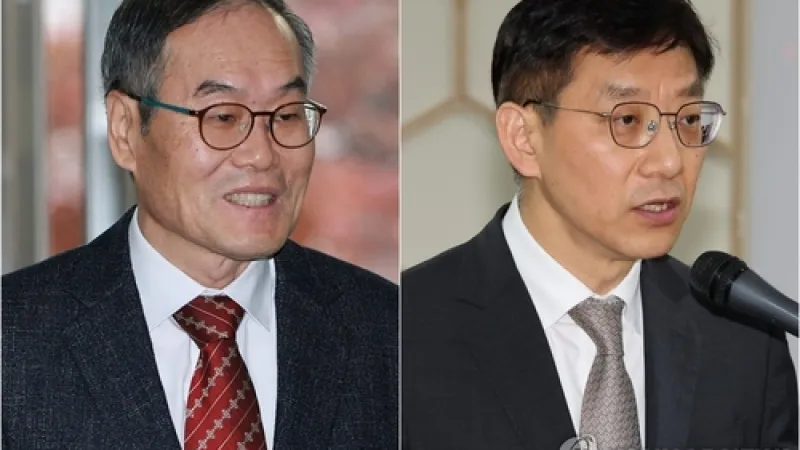
SEOUL, Nov. 16, 2026 (Yonhap) – President Lee Jae Myung today approved requests for parliamentary confirmation hearings for his nominees for justice minister and the chief of the national tax agency, initiating a critical vetting process for two pivotal government positions. This decision, announced Thursday, sets the stage for intense scrutiny of the candidates capabilities and ethical standing by the National Assembly.
The approval signifies the formal commencement of a rigorous legislative review that will examine the nominees professional backgrounds, policy perspectives, and personal integrity. The two roles are central to the nations legal framework and fiscal administration, underscoring the weight of these appointments.
The justice minister nominee will face questions concerning judicial reform, prosecutorial independence, and the broader enforcement of law and order. This position carries immense influence over the nations legal landscape and public trust in the justice system.
Similarly, the nominee for the national tax agency chief will undergo scrutiny regarding tax policy implementation, revenue collection strategies, and measures to ensure fairness and transparency within the taxation system. The agency plays a fundamental role in economic stability and public welfare.
Parliamentary confirmation hearings in South Korea are often a highly charged affair, characterized by detailed questioning from lawmakers and intense media coverage. The process is designed to ensure that nominees possess not only the requisite expertise but also the highest ethical standards demanded of public servants.
President Lee Jae Myung has consistently emphasized competence and integrity in his appointments, and these forthcoming hearings will be a test of his administration's commitment to those principles. Public expectation remains high for a transparent and thorough examination of the candidates.
This move by President Lee occurs as his administration continues to navigate a complex domestic and international agenda. Earlier this year, President Lee embarked on significant diplomatic engagements, including critical ASEAN and APEC economic diplomacy, as detailed in reports like President Lee Departs for Critical ASEAN, APEC Economic Diplomacy.
The selection of these key figures is integral to solidifying the administrations policy direction and ensuring effective governance. The National Assembly is now tasked with scheduling the hearings, which are expected to draw significant public and political attention.
Observers anticipate that lawmakers will delve into the nominees past statements, financial records, and any potential controversies to ensure their suitability for such influential roles. The opposition parties are likely to utilize the hearings to challenge the administration and highlight any perceived shortcomings.
The confirmation process is a constitutional mechanism intended to prevent unchecked executive power and foster accountability. A successful confirmation will provide President Lee with a strengthened cabinet, while any rejections could necessitate new nominations and potentially delay key policy initiatives.
Final confirmation requires a majority vote in the National Assembly. Should a nominee fail to gain parliamentary approval, the President typically withdraws the nomination and proposes a new candidate, leading to a renewed cycle of vetting and scrutiny.
The announcement today signals the imminent focus on these two critical governmental branches, with the future of South Koreas justice and fiscal policies hanging in the balance as the confirmation hearings approach.