 Edward DP Situmorang
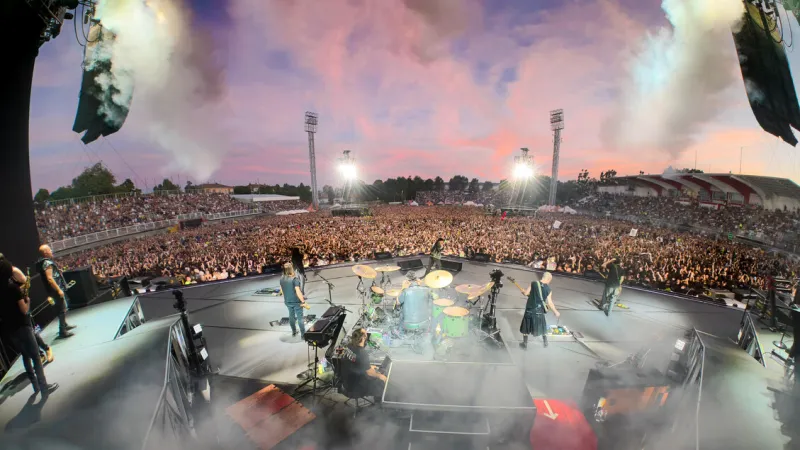
ROME – Italy is witnessing a robust resurgence in entertainment spending, spearheaded by a dramatic surge in live events, particularly concerts. Data released by the Italian Society of Authors and Publishers (SIAE) projects a substantial 7% growth in overall entertainment expenditures by 2025, with live music performances alone anticipated to surpass one billion euros in total revenue. This financial milestone underscores a powerful consumer appetite for immersive cultural experiences following periods of disruption.
The findings from SIAE, the primary authority for copyright protection and management in Italy, highlight a vibrant landscape where consumers increasingly prioritize experiences over material goods. This shift signals a potent recovery for a sector that faced considerable challenges in recent years, demonstrating its resilience and foundational role in the nation's economy.
The projected 7% increase in spending represents a significant upturn for the broader entertainment market. While specific breakdowns for other categories are not yet fully detailed, the emphasis on live events points to a particular segment driving much of this growth. Theater, cinema, and sporting events also contribute to the overall figures, though concerts currently lead the charge.
Experts attribute this phenomenon to several factors. A pent-up demand for shared social experiences, following global health crises, appears to be a major catalyst. People are eager to reconnect with artists and cultural events in person, seeking the unique atmosphere and communal spirit that only live performances can offer.
Furthermore, artists are increasingly leveraging extensive touring schedules to engage with their fan bases and generate revenue. The live circuit has become an indispensable component of the music industry's financial ecosystem, often surpassing recorded music sales in importance for many performers.
The economic implications extend beyond ticket sales. The proliferation of live events stimulates local economies through increased tourism, hospitality, and ancillary services. Restaurants, hotels, transportation, and retail establishments surrounding venues often report significant boosts in business on concert nights, creating a ripple effect of economic activity.
SIAE's analysis also suggests evolving consumer habits, where discretionary income is being reallocated towards leisure and cultural pursuits. This trend reflects a broader societal valuation of well-being and enrichment, aligning with a post-modern emphasis on experiential consumption.
While the current trajectory is overwhelmingly positive, stakeholders acknowledge the need for sustainable growth. Considerations around ticket pricing, venue capacity, and equitable access remain pertinent for ensuring the long-term health of the live entertainment sector. The industry continues to adapt to technological advancements and changing audience expectations.
The one-billion-euro benchmark for concert revenue serves as a powerful indicator of market vitality and consumer confidence within the cultural sphere. It reinforces Italy's position as a significant hub for international and domestic artistic expression, attracting both talent and audiences from across the globe.
Looking ahead to 2026 and beyond, industry observers anticipate sustained investment in event infrastructure and digital innovation to enhance attendee experiences. The robust performance of live concerts sets a precedent for other segments of the entertainment industry, encouraging further innovation and audience engagement.