 Demian Sahputra
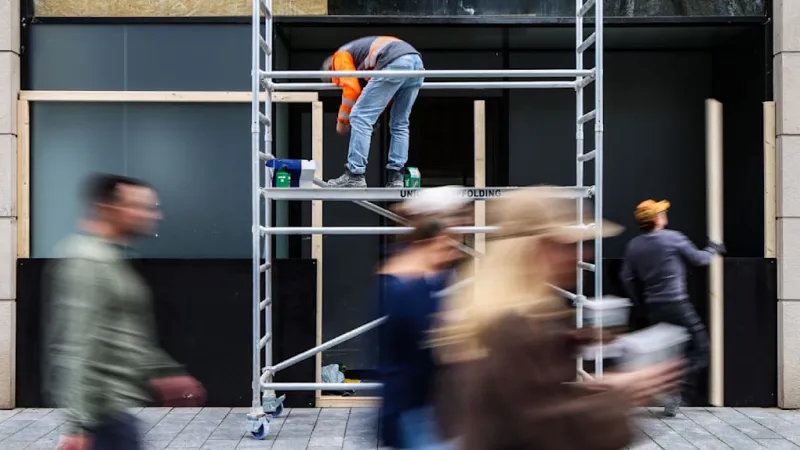
DUSSELDORF – Luxury retailers along Dusseldorf's famed Königsallee, colloquially known as the Kö, are implementing extensive security measures, including boarding up premises and temporary closures, in anticipation of youth protests organized by the Gen Z regelt movement scheduled for Saturday. This widespread preparation reflects serious concerns within the retail sector about potential property damage and civic unrest.
Douglas, a prominent beauty retailer with a significant presence on the Kö, confirmed it would close several branches for the duration of the planned demonstrations. Other high-end boutiques, which cater to an affluent clientele, are deploying protective barriers, reinforced window coverings, and enhanced private security details to safeguard their valuable merchandise and storefronts.
These preventative actions in Dusseldorf are not isolated incidents. Reports indicate that retailers across various German cities are also making similar preparations, highlighting a broader apprehension regarding the nature and potential impact of the upcoming demonstrations by the youth movement.
The Gen Z regelt movement, primarily driven by younger demographics, has announced its intentions to protest various social and political issues. While organizers frequently emphasize their commitment to peaceful assembly and non-violent discourse, past youth-led demonstrations, both domestically and internationally, have occasionally escalated into property damage and confrontations with authorities.
Germany has historically witnessed sporadic instances of protest-related vandalism, particularly in major urban centers during large-scale public demonstrations. This history undoubtedly informs the current proactive stance adopted by retailers and local law enforcement agencies, who seek to prevent any recurrence of such incidents.
The economic implications of these security preparations are significant. Businesses incur substantial costs not only for physical safeguards like boarding materials and increased staffing but also face potential revenue losses from temporary closures and anticipated reductions in customer foot traffic. The segment of Dusseldorf luxury stores is particularly vulnerable to such disruptions.
Local police authorities in Dusseldorf and other municipalities across Germany are reportedly increasing their presence in key retail areas. They are also developing contingency plans to manage crowd dynamics, maintain public order, and swiftly address any outbreaks of violence, often in close collaboration with business owners and city officials.
Representatives from leading retail associations have publicly acknowledged the constitutional right to protest but have simultaneously issued strong appeals for peaceful conduct. They emphasize the critical need to protect local businesses, the livelihoods they provide, and the economic stability of urban centers.
Public reaction to the preemptive measures has been notably mixed. While some citizens express sympathy for the youth's right to voice their concerns, others convey alarm over the necessity of such drastic security actions, questioning the potential for violence that necessitates such a response.
The Königsallee, known affectionately worldwide as the Kö, holds iconic status as one of Europe's most exclusive shopping avenues. It houses an array of international luxury brands and bespoke boutiques. Its symbolic prominence and high concentration of valuable goods make it a prime, high-visibility target for protest movements seeking to draw widespread attention to their causes.
Beyond Dusseldorf, indications suggest heightened vigilance in the prestigious shopping districts of cities like Berlin, Hamburg, and Munich. Similar high-value retail establishments in these urban centers are also taking precautionary measures to mitigate potential risks.
The Gen Z regelt movement typically mobilizes its participants through extensive social media campaigns, often focusing on pressing issues such as climate change, social justice, and economic inequality. Their tactical repertoire spans from traditional peaceful rallies and marches to more disruptive, yet generally non-violent, forms of direct action.
This unfolding situation underscores a delicate and often challenging balance between fundamental constitutional rights, specifically the right to peaceful assembly, and the equally critical imperative to protect private property, ensure public safety, and maintain civic order within bustling metropolitan areas.
The rising concerns over potential protest-related damage have inadvertently led to a notable surge in demand for specialized security services. This includes everything from the supply of protective boarding materials and the installation of temporary fortifications to the deployment of additional private security personnel, creating a temporary boom for the security industry.
The outcomes of this Saturday’s events will likely establish a precedent for future interactions between dynamic youth protest movements and the established retail sector. This could profoundly influence how businesses and governmental authorities approach and manage large-scale public demonstrations going forward.
City planners and municipal authorities face ongoing, complex challenges in facilitating legitimate and peaceful protests while simultaneously ensuring robust public safety and preventing economic disruption within urban environments. The current situation in Dusseldorf serves as a stark example of this perennial tension.